


Weeks
Week Info

Week Number
13

Plant Height
36 inch

Day Air Temperature
78 ºF
Night Air Temperature
70 ºF

Light Schedule
12 hrs

Solution pH
6

Solution TDS
380 ppm
Air Humidity
50 %

Smell
High

Substrate Temperature
75 ºF

Pot Size
3 gal

Lamp to Plant Distance
15 inch

Watering Volume
3 L
Gallery


Comment
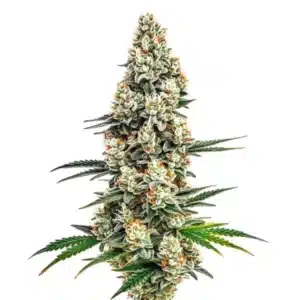
Week #13 (Late Flower to Ripening Transition)
Week 13 was a transitional phase, bridging the end of late flower and the onset of ripening. Light intensity was gradually reduced to 570 PPFD, delivering a DLI of 24. Daytime temperatures averaged 78°F, with night lows around 70°F. Soil temperatures remained steady in the mid-70s, and relative humidity held at 50%.
I pushed ripening nutrients once early in the week, then allowed the plant to coast on plain, pH-adjusted water. Runoff ranged between 600–800 ppm, with runoff pH consistently reading 6.4. Input pH was also set at 6.4 to maintain equilibrium. Water volume was slightly reduced to 3 liters per day to match the plant’s slower uptake in this final stretch.
Mid-week, I discovered 5–6 nanners on Stardawg, primarily located around the mid and upper bud sites. They were removed immediately. This is a relatively common occurrence in certain cultivars nearing the end of flower, often associated with a natural self-preservation mechanism called rodelization - where the plant forms male pollen sacs in an attempt to self-pollinate after prolonged flowering. No open sacs were found, and there was no visible pollen spread - not that it would have mattered this close to harvest anyway.
Aromatic intensity remained high throughout the week. Buds continued to swell, becoming dense and heavy, requiring additional branch support as weight increased heading into the final days.