

Grow Diary Blueberry
Growing Blueberry

Michael the Barred Owl
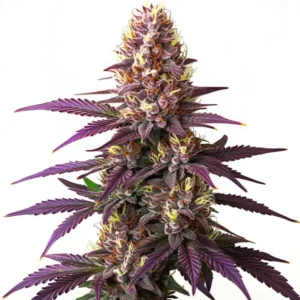
Weeks
Week Info

Week Number
9

Plant Height
36 inch

Day Air Temperature
82 ºF
Night Air Temperature
72 ºF

Light Schedule
12 hrs

Solution pH
6

Solution TDS
1080 ppm
Air Humidity
50 %

Smell
High

Substrate Temperature
77 ºF

Pot Size
3 gal

Lamp to Plant Distance
15 inch

Watering Volume
4 L
Gallery


Comment
This week marked the fourth week of mid-flower in my run. Light intensity hovered between 830–890 PPFD (36–38 DLI). I continued to push mid-flower nutrients at 1,200–1,400 ppm. As the plants will begin transitioning into late flower soon, I started dialing back UV-A exposure by a few minutes each day and gradually inching down light intensity.
A mid-week trichome assessment showed approximately 45% clear, 50% cloudy, and 5% amber heads.
After Stardawg #1 formed male flowers in early mid-flower, I began checking all plants every other day at minimum to ensure none of the others were exhibiting hermaphroditic traits.
In Week 9, I observed Blueberry #2 producing five to six male flowers on its lowest branches - possibly triggered by earlier nutrient imbalances, though the exact cause is uncertain. I swiftly removed all male flowers.
Also in Week 9, Blueberry #2 began leaning heavily under the weight of her buds. To correct her posture, I installed an AC Infinity trellis net above the canopy, wove the main colas of all plants through the grid, and gently tied each node of BB#2 back to the central stem with garden wire. This support stabilized her without stressing new growth.