Which is Better for Cannabis: Tissue or Sap Testing?

When it comes to optimizing cannabis cultivation, knowing plant health is crucial. Two popular methods used to assess this are tissue and sap testing. But which is better for cannabis: tissue or sap testing? Each method offers unique insights into the plant’s nutrient status, helping growers make informed decisions.
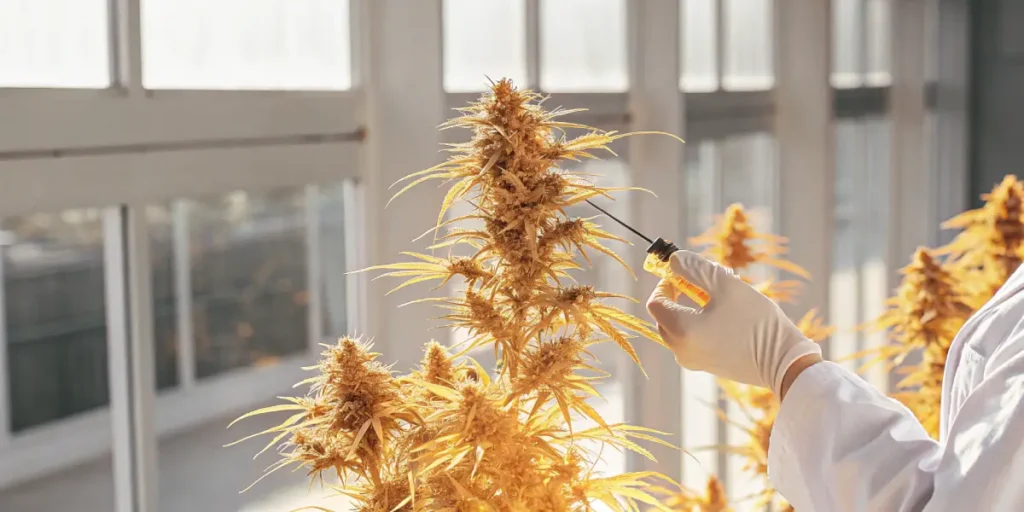
Tissue testing involves analyzing dried plant parts to determine nutrient content. This method provides a snapshot of nutrient levels at a specific time. On the other hand, sap testing measures the nutrient content of the plant’s sap, offering a real-time view of what the plant is currently absorbing. Both methods have their pros and cons, which we’ll explore in this article.
Recommended Strains
Purple Haze
 | THC | 14% - 18% (Medium) |
 | Type | Feminized |
 | Yield | Low |
 | Phenotype | 40% Indica / 60% Sativa |

Z OG
| | THC | 16% - 20% (Medium) |
| | Type | Feminized |
| | Yield | Medium |
| | Phenotype | 75% Indica / 25% Sativa |
For first-time cannabis seed buyers and seasoned growers alike, choosing the right testing method can significantly impact crop quality and yield. Let’s delve into the nuances of each method to determine which is best suited for your cannabis growing needs.
The Benefits of Cannabis Tissue Testing
Tissue testing is popular among growers for its ability to provide a precise analysis of nutrient levels. By studying dried plant parts, growers can identify deficiencies or toxicities, allowing for targeted interventions. This method is particularly beneficial during the vegetative and flowering stages when nutrient needs are high.
One of the key cannabis tissue testing benefits is its capacity to reveal long-term nutrient trends. This information helps growers adjust their fertilization strategies over time, ensuring optimal plant health. While tissue testing requires sending samples to a lab, the detailed results are worth the wait.
Promos & Deals



The Accuracy of Cannabis Sap Testing
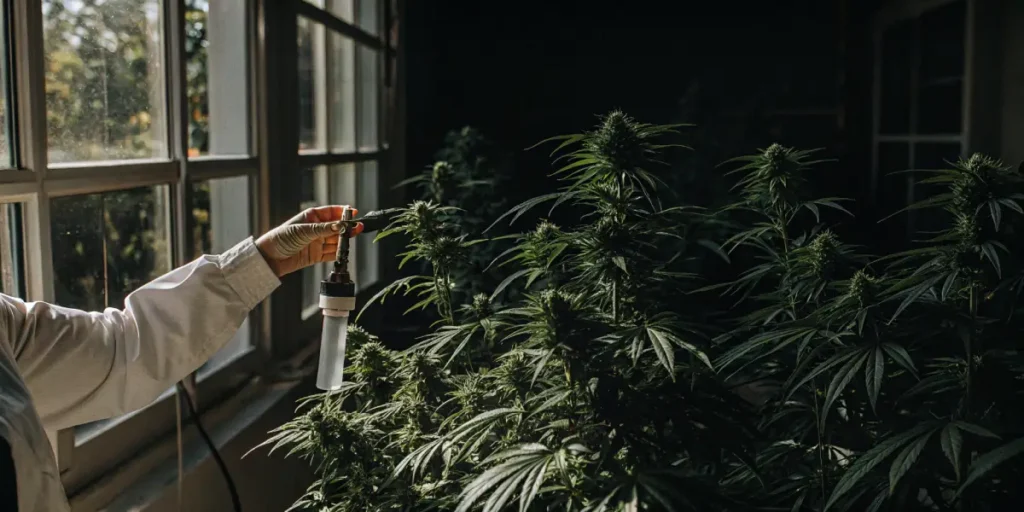
Sap testing offers a more immediate insight into your plant’s nutrient uptake. By analyzing the sap, growers can see what nutrients the plant is currently using, providing a real-time snapshot of plant health. This method is particularly useful for quickly diagnosing nutrient imbalances.
While cannabis sap testing accuracy is generally high, it requires careful handling and quick processing to ensure valid results. Growers often use sap testing in conjunction with tissue testing to get a comprehensive knowing of their plants’ health. This dual approach can help in fine-tuning nutrient management practices.
Choosing Between Tissue and Sap Testing for Cannabis Plants
When deciding which is better for cannabis: tissue or sap testing, consider your specific needs. Tissue testing is ideal for long-term nutrient management, while sap testing is excellent for real-time monitoring. Both methods can complement each other, offering a full picture of plant health.
- Use tissue testing for detailed nutrient analysis over time.
- Opt for sap testing for immediate insights into nutrient uptake.
- Consider combining both methods for a comprehensive nutrient profile.
Recommended Cannabis Strains for Optimal Testing
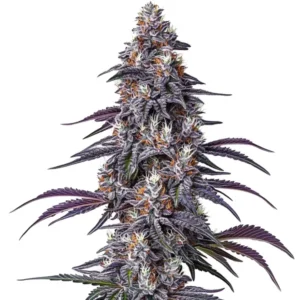
Purple Haze
Purple Haze is a sativa-dominant strain known for its uplifting effects and vibrant purple buds. It’s a favorite among growers for its resilience and moderate nutrient requirements. Tissue and sap testing can help fine-tune its nutrient intake to maximize yield and potency.
White Widow
White Widow is a balanced hybrid renowned for its potent effects and ease of growth. This strain benefits greatly from precise nutrient management, making tissue and sap testing invaluable tools for growers aiming to enhance quality and yield.
Zkittlez
Zkittlez is an indica-dominant hybrid appreciated for its sweet, fruity flavors and relaxing effects. This strain thrives with careful nutrient management, and testing can ensure it receives the perfect balance of nutrients throughout its growth cycle.
FAQs About Which is better for cannabis: tissue or sap testing?
How does tissue testing improve cannabis plant health?
Tissue testing allows growers to accurately assess nutrient levels within the plant. By analyzing dried plant parts, growers can identify any deficiencies or toxicities present. This information is crucial for adjusting nutrient inputs and improving overall plant health. Over time, consistent tissue testing can lead to optimized fertilization strategies and healthier plants.
Moreover, tissue testing can help prevent nutrient-related issues before they impact yield. By knowing the plant’s nutrient uptake history, growers can make informed decisions to maintain balance. This proactive approach is beneficial for both small-scale and commercial cannabis cultivation.
What are the main advantages of sap testing for cannabis growers?
Sap testing offers real-time insights into the nutrients that a cannabis plant is currently absorbing. This immediacy enables growers to quickly address any nutrient imbalances, potentially preventing deficiencies or toxicities from developing. For growers who need rapid adjustments, sap testing is an invaluable tool.
Additionally, sap testing can be performed frequently, allowing for continuous monitoring of plant health. This can be particularly useful in dynamic growing environments where conditions change rapidly. By maintaining a close watch on nutrient uptake, growers can ensure their plants receive the care they need.
Can both tissue and sap testing be used together effectively?
Yes, using both tissue and sap testing together provides a comprehensive view of plant health. While tissue testing gives a historical perspective on nutrient levels, sap testing offers real-time insights. This combination allows growers to understand both the long-term nutrient status and current uptake of their plants.
Growers who utilize both methods can make more informed decisions about nutrient management. By having access to both types of data, they can tailor their fertilization strategies to meet the specific needs of their plants, leading to improved growth and yield.
Is one testing method more cost-effective than the other?
The cost-effectiveness of tissue versus sap testing can vary depending on the grower’s specific circumstances. Tissue testing often involves sending samples to a laboratory, which can be more expensive but provides detailed nutrient analysis. Sap testing, while requiring more frequent testing, can be done in-house with the right equipment.
For growers who prioritize detailed nutrient profiles, the cost of tissue testing may be justified by the benefits of precise nutrient management. Conversely, those who need immediate insights might find sap testing to be more cost-effective, particularly if they have the capability to conduct tests on-site.
What factors should influence the choice of testing method for cannabis?
The choice between tissue and sap testing should be guided by the grower’s specific goals and resources. For those seeking detailed nutrient information over time, tissue testing is ideal. It provides a comprehensive view of nutrient status, which is essential for long-term planning.
Growers who need to make quick adjustments should consider sap testing. Its ability to provide real-time data makes it suitable for dynamic growing conditions. Ultimately, the best testing method will depend on the grower’s needs, budget, and the specific challenges they face in their cultivation environment.