When to Use Tissue Testing in Cannabis Growth Cycle

Cannabis cultivation is both an art and a science. Knowing the optimal timing for cannabis tissue testing can significantly enhance your growing success. Tissue testing provides a snapshot of your plant’s nutrient uptake, allowing growers to make informed decisions about nutrient management. Knowing when to use tissue testing in cannabis growth cycle helps identify deficiencies early, optimize feeding schedules, and ensure healthier, more productive plants throughout every stage of cultivation.
During the cannabis growth cycle, a variety of factors can affect plant health, including nutrient availability and environmental conditions. Tissue testing, or leaf analysis, offers insights into the plant’s nutrient status at different growth stages. By analyzing the plant tissues, growers can identify deficiencies or toxicities early. This proactive approach allows for timely interventions, ensuring optimal growth and maximizing yield.
Recommended Strains
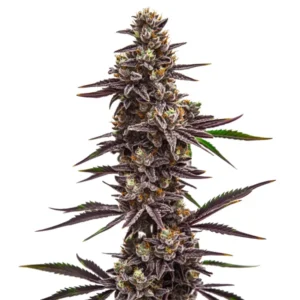
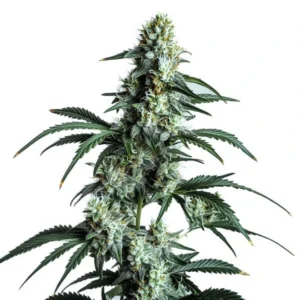
Cherry Pie
 | THC | 18% - 25% (Medium) |
 | Type | Feminized |
 | Yield | Medium |
 | Phenotype | 60% Indica / 40% Sativa |
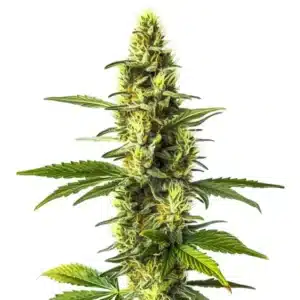
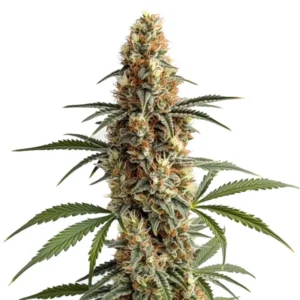
Amnesia Lemon
| | THC | 18% - 21% (Medium) |
| | Type | Feminized |
| | Yield | Medium |
| | Phenotype | 40% Indica / 60% Sativa |
Timing is crucial when it comes to tissue testing. Conducting these tests at specific stages can provide a comprehensive view of the plant’s nutritional needs. In the following sections, we will delve into the best stages for cannabis leaf analysis, provide product recommendations, and offer practical advice for both novice and experienced growers.
The Benefits of Tissue Testing for Cannabis Cultivation
Tissue testing benefits in cannabis cultivation are numerous. By assessing nutrient levels within the plant, growers can tailor their nutrient programs to meet the specific needs of their crops. Knowing when to use tissue testing in cannabis growth cycle is crucial, as timing determines how effectively you can correct deficiencies and optimize feeding. This precision in nutrient management can lead to healthier plants, increased resistance to pests and diseases, and improved yields.
Moreover, tissue testing can help identify imbalances that might not be apparent through visual inspection or soil testing alone. These early detections allow growers to adjust fertilization strategies and improve overall plant health. For cannabis cultivators looking to optimize their growth practices, tissue testing is an invaluable tool.
Promos & Deals


Optimal Timing for Cannabis Tissue Testing
The optimal timing for cannabis tissue testing is critical to obtaining accurate and useful data. Typically, the best stage for cannabis leaf analysis is during the vegetative phase, when the plant is actively growing and nutrient uptake is at its peak. Testing during this stage can provide insights into how well the plant is absorbing nutrients, allowing for adjustments before entering the flowering phase.
Another key stage for tissue sampling in cannabis growth is during the early flowering period. At this time, nutrient demands shift, and ensuring that the plant has adequate nutrients can influence the quality and quantity of the final harvest. Regular testing throughout these stages can ensure that the plants remain healthy and productive.
Recommended Cannabis Strains for Tissue Testing
Cherry Pie
Cherry Pie is a hybrid strain known for its balanced effects and delightful aroma. This strain thrives in a nutrient-rich environment, making it an excellent candidate for tissue testing. By analyzing nutrient uptake, growers can optimize Cherry Pie’s growth conditions, ensuring robust health and bountiful yields.
- Yield: High
- Flowering Time: 8-10 weeks
- THC: 18-25%
- Terpene Hints: Sweet, Earthy
Amnesia Lemon
Amnesia Lemon is a sativa-dominant strain that offers uplifting effects and a zesty lemon flavor. It’s crucial to monitor nutrient levels closely during its growth cycle to prevent any deficiencies that could affect its vigour. Tissue testing can provide the data needed to tailor nutrient regimens, helping to produce high-quality buds.
- Yield: Medium
- Flowering Time: 8-10 weeks
- THC: 18-21%
- Terpene Hints: Citrus, Spicy
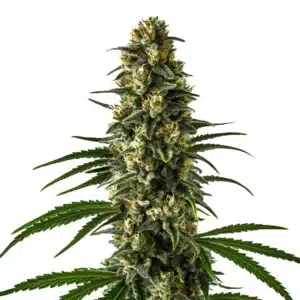
Blackberry Kush
Blackberry Kush is an indica strain with a rich aroma and potent effects. This strain benefits from careful nutrient management, particularly during the flowering stage. Tissue testing can help growers ensure that Blackberry Kush receives the right nutrients at the right time, enhancing both yield and potency.
- Yield: Medium
- Flowering Time: 8-10 weeks
- THC: 16-20%
- Terpene Hints: Berry, Earthy
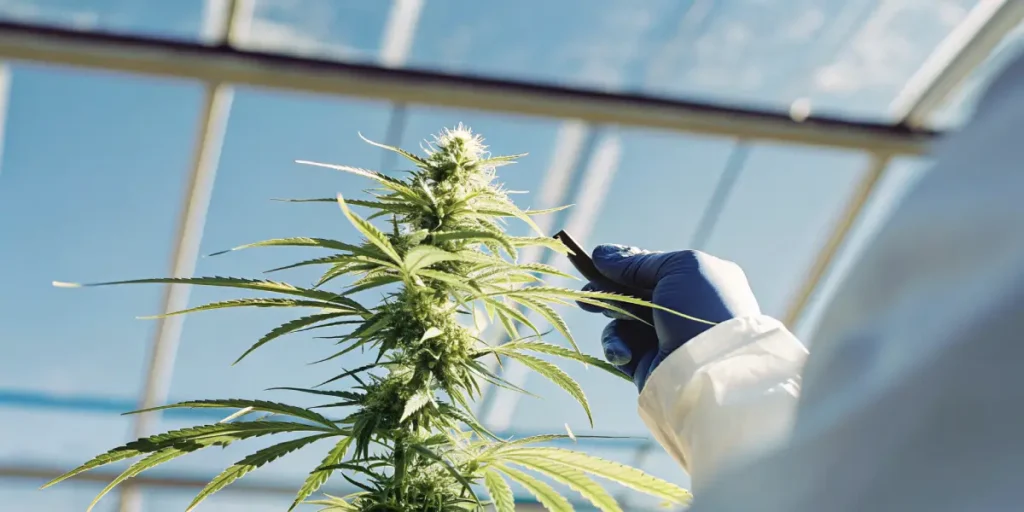
Knowing Tissue Testing Data in Cannabis Growth
Once tissue testing is completed, knowing the results is essential for making informed decisions. The data will indicate the levels of various nutrients within the plant, such as nitrogen, phosphorus, potassium, and micronutrients. These insights can guide nutrient adjustments to address any deficiencies or excesses.
Interpreting tissue testing data requires some knowledge of plant physiology and nutrient interactions. Growers should look for patterns or trends in nutrient levels over time, which can indicate changes in plant health or nutrient availability. This analysis helps in fine-tuning fertilization practices, ultimately leading to healthier and more productive plants.
FAQs on When to use tissue testing in cannabis growth cycle
What is tissue testing in cannabis cultivation?
Tissue testing in cannabis cultivation involves analyzing plant tissues, typically leaves, to assess nutrient levels. This method provides a comprehensive view of the plant’s nutritional status, helping growers identify deficiencies or toxicities that might not be visible through traditional soil tests or visual inspections.
By knowing nutrient uptake and availability, growers can make informed decisions about fertilization strategies. This approach leads to healthier plants, improved yields, and higher quality cannabis. It’s an essential tool for both novice and experienced cultivators looking to optimize their growth practices.
How often should tissue testing be done?
The frequency of tissue testing in cannabis cultivation depends on various factors, including the growth stage and environmental conditions. Generally, it is recommended to conduct testing during key growth stages, such as the vegetative and early flowering phases. Regular testing can provide ongoing insights into nutrient uptake and help in adjusting fertilization strategies accordingly.
For growers aiming for precision, monthly testing might be beneficial, especially in controlled environments. This regular monitoring allows for timely interventions and ensures that plants receive the necessary nutrients throughout their lifecycle.
Can tissue testing replace soil testing?
While tissue testing is a powerful tool for assessing plant health, it does not replace soil testing. Both methods provide unique insights that are valuable for cannabis cultivation. Soil testing evaluates nutrient availability, pH levels, and other soil properties, whereas tissue testing reveals what nutrients the plant is actually utilizing.
Combining both soil and tissue testing offers a comprehensive knowing of the growing environment and plant health, allowing for more informed decisions about nutrient management. Together, these tests help optimize growth conditions and enhance plant performance.
What nutrients are commonly analyzed in tissue testing?
Tissue testing commonly analyzes macro and micronutrients essential for plant growth. These include nitrogen, phosphorus, potassium, calcium, magnesium, sulfur, and trace elements like zinc, iron, manganese, and copper. Each of these nutrients plays a vital role in plant development and health.
Knowing the levels of these nutrients helps growers tailor their fertilization strategies to meet the specific needs of their cannabis plants. By ensuring that nutrient levels are balanced, growers can prevent deficiencies or toxicities that could negatively impact growth and yield.
How does tissue testing improve cannabis yield?
Tissue testing improves cannabis yield by providing insights into nutrient uptake and availability within the plant. By identifying and addressing nutrient deficiencies or toxicities early, growers can adjust fertilization practices to optimize plant health. This proactive approach leads to stronger, more resilient plants and higher yields.
Besides, tissue testing allows for more precise nutrient management, reducing the risk of over-fertilization and waste. By fine-tuning nutrient applications based on tissue analysis, growers can maximize the potential of their cannabis crops, resulting in better quality and more abundant harvests.