What is tissue testing in cannabis cultivation?

What is tissue testing in cannabis cultivation? It is a powerful tool that helps growers understand the nutrient status of their plants. By analyzing the plant tissues, growers can identify deficiencies or imbalances in essential nutrients, allowing them to make precise adjustments to their feeding regimens. This process not only enhances plant health but also boosts overall yields, ensuring stronger, more productive cannabis crops.
For both novice and seasoned growers, knowing tissue testing is crucial. It provides insights that are not visible to the naked eye, such as hidden deficiencies that could affect plant growth and potency. Regular tissue testing ensures that plants are receiving the optimal nutrition they need to thrive.
Recommended Strains

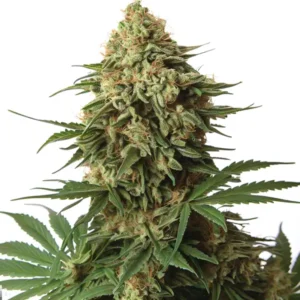
Blue Dream
 | THC | 17% - 24% (Medium) |
 | Type | Feminized |
 | Yield | High |
 | Phenotype | 50% Indica / 50% Sativa |

Super Silver Haze
| | THC | 22% - 24% (Medium) |
| | Type | Feminized |
| | Yield | High |
| | Phenotype | 10% Indica / 90% Sativa |
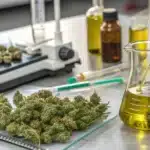
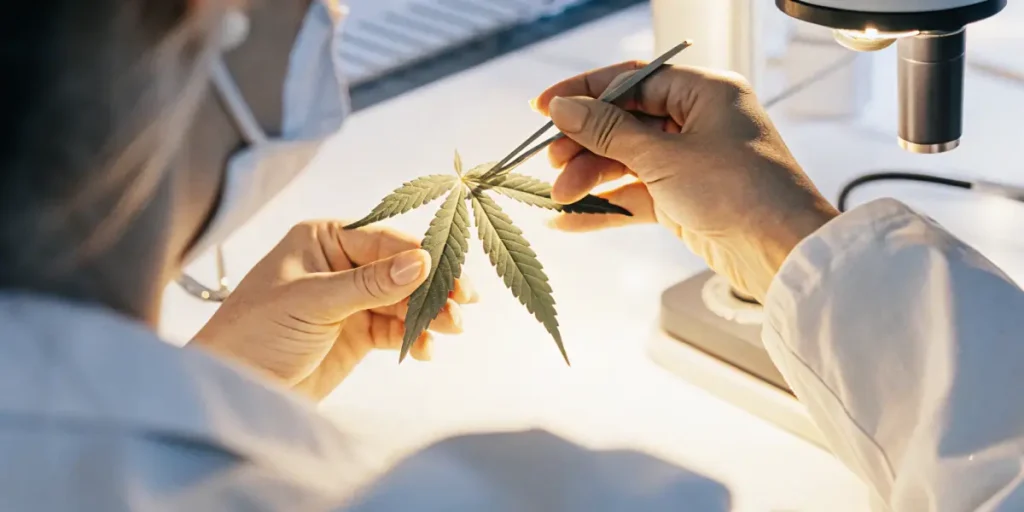
The process involves taking small samples from the plant, usually leaves, and analyzing them in a lab. The results offer a detailed profile of the nutrient concentrations within the plant, guiding growers in their nutrient management strategies.
Why Tissue Testing is Vital for Optimal Growth
Knowing tissue testing for cannabis growers is essential for achieving the best possible results. The benefits of tissue testing in cannabis farming include healthier plants, higher yields, and better quality produce. By identifying nutrient imbalances early, growers can take corrective action before any visible symptoms appear. But what is tissue testing in cannabis cultivation? It’s a precise analytical method that measures nutrient levels within plant tissue, helping growers fine-tune their feeding strategies for optimal growth and performance.
Tissue testing techniques in cannabis cultivation allow for a more scientific approach to growing. Instead of relying on guesswork, growers can make data-driven decisions that lead to more consistent results. This precision is particularly important in commercial operations where maximizing output is crucial.
Promos & Deals




How Tissue Testing Improves Cannabis Yield
One of the key benefits of tissue testing is its ability to improve cannabis yield. By ensuring that plants have the right balance of nutrients, growers can optimize growth conditions, leading to larger and more potent harvests. Tissue testing helps in fine-tuning the nutrient delivery, which directly impacts the size and quality of the buds.
For instance, if a test reveals a lack of phosphorus, a grower can adjust the nutrient mix to address this deficiency. Such targeted interventions can significantly enhance growth rates and increase the final yield.
Exploring Various Tissue Testing Techniques
There are several cannabis plant tissue analysis methods available to growers. Each technique offers unique insights and has its own set of advantages. Some of the most common methods include leaf analysis, sap testing, and petiole analysis. These methods help in knowing the nutrient dynamics within the plant.
- Leaf Analysis: Involves testing the leaves to determine nutrient content.
- Sap Testing: Focuses on the nutrient composition of the plant sap.
- Petiole Analysis: Examines the nutrient status of the petioles, the stalks that attach leaves to the stem.
Choosing the Right Cannabis Strains for Tissue Testing
When considering tissue testing, it’s important to select cannabis strains that respond well to nutrient management. Some strains are more nutrient-sensitive than others and can benefit more from precise nutrient adjustments.
Here are some recommended cannabis strains that align well with tissue testing practices:
Blue Dream
Blue Dream is a sativa-dominant hybrid known for its balanced effects and ease of growth. It’s an excellent choice for growers looking to utilize tissue testing to maximize yield and potency.
- Yield: High
- Flowering Time: 8-10 weeks
- THC: 17-24%
- Terpene Hints: Berry, Sweet
Super Silver Haze
Super Silver Haze is a sativa strain celebrated for its uplifting effects and robust growth. Tissue testing can help fine-tune its nutrient needs, ensuring vigorous growth and high-quality buds.
- Yield: High
- Flowering Time: 8-10 weeks
- THC: 22-24%
- Terpene Hints: Citrus, Spicy
Bubba Kush
Known for its relaxing effects, Bubba Kush is an indica strain that benefits significantly from careful nutrient management. Tissue testing allows growers to optimize its growth conditions for the best results.
- Yield: Medium
- Flowering Time: 8-10 weeks
- THC: 14-19%
- Terpene Hints: Earthy, Sweet

FAQs on What is tissue testing in cannabis cultivation?
What is the primary benefit of tissue testing in cannabis cultivation?
The primary benefit of tissue testing in cannabis cultivation is that it provides a clear picture of the nutrient status of your plants. This information helps growers make informed decisions about nutrient adjustments, leading to healthier plants and improved yields. By knowing the nutrient deficiencies early, growers can take corrective actions before any noticeable damage occurs.
In a competitive market, the ability to optimize plant health and yield can make a significant difference. Tissue testing allows for precision management of nutrient delivery, ensuring that each plant receives exactly what it needs to thrive. This leads to more consistent quality and potency in the final product.
How often should tissue testing be performed?
The frequency of tissue testing depends on several factors, including the growth stage of the plants and the specific goals of the grower. As a general rule, testing should be performed at key stages of growth, such as during vegetative and flowering phases. Regular testing helps track how plants are responding to nutrient changes over time.
For commercial growers aiming for the highest quality and yield, more frequent testing may be necessary. This allows for timely interventions and adjustments, ensuring optimal plant health and productivity at all times.
Can tissue testing be used with organic growing methods?
Yes, tissue testing can be effectively used with organic growing methods. While organic nutrients are derived from natural sources, the goals of maintaining nutrient balance and optimizing plant health remain the same. Tissue testing provides valuable insights into how well organic nutrients are being absorbed by the plants.
Growers using organic methods can benefit from tissue testing by confirming that their plants are receiving adequate nutrition. It also helps in identifying any deficiencies that might not be evident through visual inspection alone, allowing for more precise organic nutrient management.
What challenges might growers face with tissue testing?
One common challenge with tissue testing is the need for timely and accurate sample collection. Samples must be collected and processed quickly to prevent nutrient levels from changing after removal from the plant. This requires coordination and possibly access to nearby testing facilities.
Another challenge is interpreting the test results. Growers need to understand what the data means for their specific growing conditions and how to adjust their nutrient plans accordingly. Consulting with an agronomist or expert in cannabis cultivation can help in making sense of the results and implementing effective solutions.
Is tissue testing cost-effective for small-scale growers?
For small-scale growers, the cost of tissue testing might seem prohibitive at first. However, when considering the long-term benefits of healthier plants and increased yields, it can be a worthwhile investment. By catching nutrient issues early, small-scale growers can avoid potential losses and improve the quality of their crops.
Moreover, as the technology becomes more widespread, the cost of testing is likely to decrease, making it more accessible to smaller operations. Even now, many small-scale growers find that the investment pays off by allowing them to produce a superior product that commands a higher price in the market.