Tissue Sampling Techniques for Cannabis Growers

Tissue sampling is an essential practice for cannabis growers aiming to achieve optimal plant health and maximum yields. By analyzing plant tissues, growers can gain insights into the nutrient status of their crops and make informed decisions on nutrient management. Knowing tissue sampling techniques for cannabis growers allows for more accurate data collection and interpretation, helping identify nutrient deficiencies or toxicities before they visibly affect the plant, thus preventing potential yield losses.
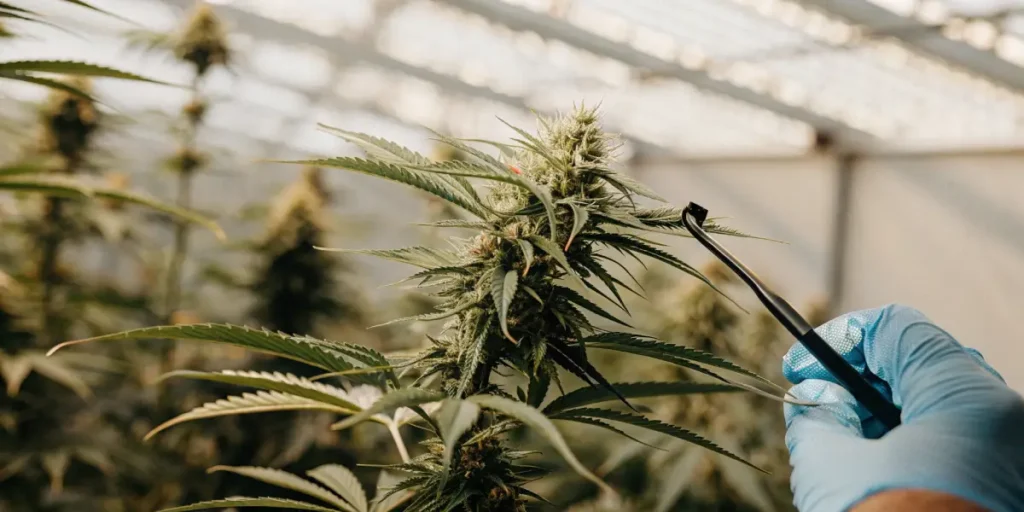
Whether you’re a first-time cannabis seed buyer or an experienced grower, knowing tissue sampling techniques can significantly enhance your cultivation efforts. The practice involves collecting samples from different parts of the plant, such as leaves or stems, and sending them to a lab for analysis. This data allows for precise adjustments to feeding regimes, ensuring plants receive the exact nutrients they need at various growth stages.
Recommended Strains
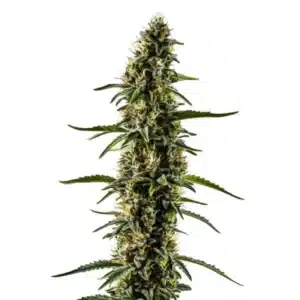
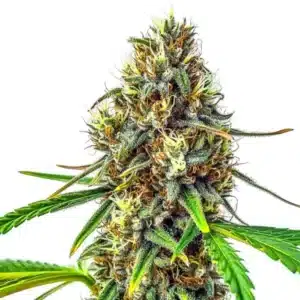
CBD Kush (1:1)
 | CBD | 8% (Low) |
 | Type | CBD Feminized |
 | Yield | Medium |
 | Phenotype | 20% Indica / 80% Sativa |
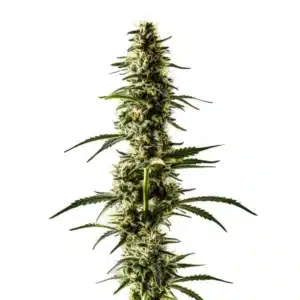
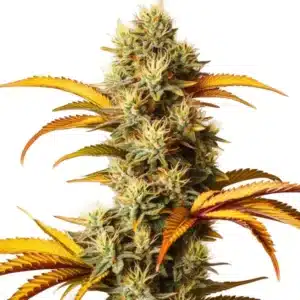
Lemon Skunk
 | THC | 15% - 19% (Medium) |
| | Type | Feminized |
| | Yield | High |
| | Phenotype | 50% Indica / 50% Sativa |
Adopting tissue sampling techniques for cannabis growers is not just about problem-solving. It’s a proactive approach to cultivation that can lead to healthier plants and higher-quality buds. By regularly monitoring plant tissue, growers can maintain optimal nutrient levels, leading to lush, vigorous growth and bountiful harvests.
Why Regular Tissue Sampling Matters in Cannabis Cultivation
Regular tissue sampling provides a snapshot of your cannabis plant’s health at any given time. By knowing the nutrient levels within your plants, you can tailor your feeding strategies to meet their specific needs. This proactive approach is crucial for preventing nutrient deficiencies that could hinder growth and flowering.
Moreover, frequent tissue sampling can help you detect and address issues before they escalate. For instance, if a nutrient deficiency is identified early, adjustments can be made to prevent stunted growth or poor bud development. This not only saves time and resources but also maximizes your crop’s potential.
Promos & Deals

Choosing the Right Cannabis Leaf Sampling Techniques
When it comes to cannabis leaf sampling techniques for growers, selecting the right method is key. The most common approach involves collecting leaves from the upper, middle, and lower parts of the plant. This provides a comprehensive overview of nutrient distribution throughout the plant.
Alternatively, some growers opt for petiole sampling, which focuses on the small stalk that attaches the leaf to the stem. This method can sometimes offer a more accurate representation of certain nutrient levels. Whichever technique you choose, consistency is crucial to ensure reliable data over time.
Product Recommendations for Enhanced Cannabis Growth
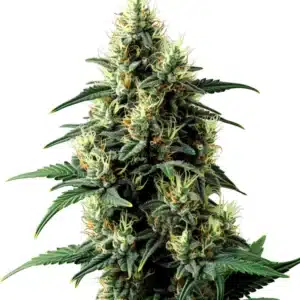
CBD Kush
CBD Kush is a versatile strain ideal for growers looking to apply tissue sampling techniques. Known for its balanced effects, this strain offers a soothing experience without the intense psychoactive effects. Perfect for both medicinal and recreational users, CBD Kush thrives with attentive nutrient management.
- Yield: Low
- Flowering Time: 8-10 weeks
- THC: 8%
- Terpene Hints: Earthy, Pine
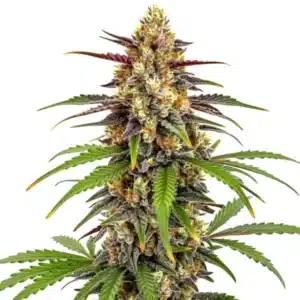
Amnesia Haze
Amnesia Haze is a popular choice among growers who want to optimize their nutrient analysis practices. With a robust growth pattern, this strain benefits from precise nutrient adjustments revealed through tissue sampling. Its uplifting and energetic effects make it a favorite for daytime use.
- Yield: Medium
- Flowering Time: 8-10 weeks
- THC: 18-22%
- Terpene Hints: Citrus, Lemon
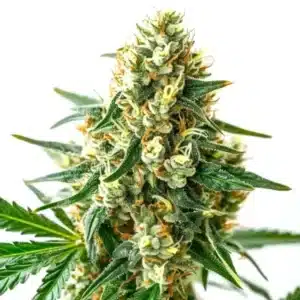
Lemon Skunk
Lemon Skunk is perfect for those looking to experiment with tissue sample preservation methods for cannabis growers. This strain’s vibrant growth and potent, citrusy aroma are best maintained through careful nutrient management, which is enhanced by regular tissue sampling.
- Yield: Medium
- Flowering Time: 8-10 weeks
- THC: 15-19%
- Terpene Hints: Skunky, Lemon
FAQs About Tissue sampling techniques for cannabis growers
What are the best tissue sampling practices for cannabis cultivation?
The best tissue sampling practices involve a consistent approach to collecting samples from the same parts of the plant each time. Typically, growers take samples from the leaves, focusing on the upper and middle sections for a balanced nutrient overview. This consistency ensures that the data collected over time is reliable and comparable.
Additionally, it’s important to use clean tools and handle samples with care to avoid contamination. Samples should be collected quickly and stored properly before analysis to maintain their integrity. Regular sampling at different growth stages can provide a comprehensive knowing of your plant’s nutritional needs.
How do I collect cannabis plant samples for analysis?
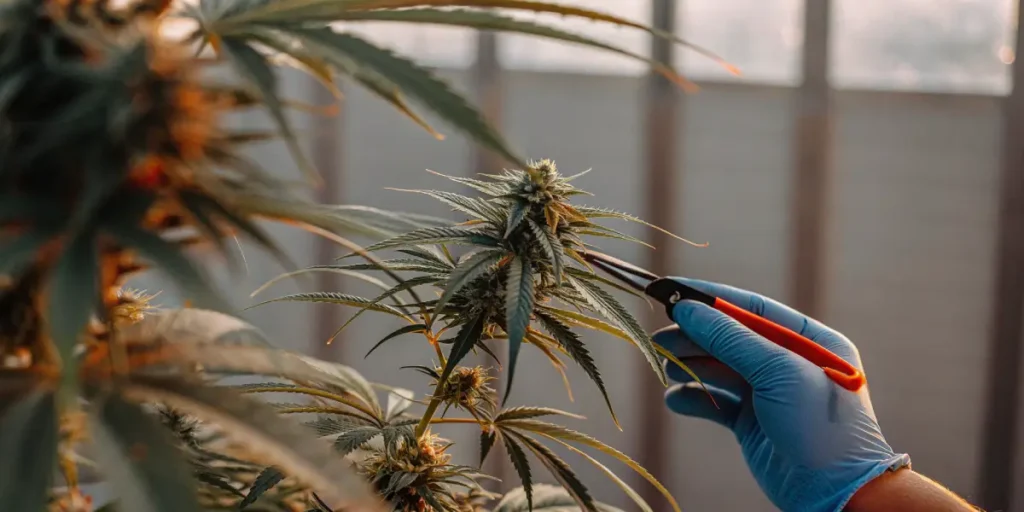
Collecting cannabis plant samples for analysis involves using clean scissors or a blade to cut a small section of the leaf or petiole. It’s vital to handle the samples with care, using gloves if possible, to prevent contamination. Once collected, place the samples in a clean, labeled bag or container for transport to a lab.
Ensure the samples are kept cool and delivered to the lab as soon as possible to preserve their condition. If immediate transport isn’t feasible, refrigerate the samples to prevent degradation until they can be analyzed. Consistency in collection methods is key to obtaining accurate results.
Why is tissue sample preservation important for cannabis growers?
Tissue sample preservation is crucial for maintaining the integrity of the samples until they reach the lab for analysis. Proper preservation ensures that the nutrient levels in the samples remain stable and reflective of the plant’s actual condition at the time of collection.
Failure to preserve samples correctly can lead to inaccurate results, which may mislead growers into making incorrect adjustments to their nutrient management strategies. By using appropriate preservation methods, growers can trust the data they receive and make informed decisions to optimize plant health.
How can tissue sampling optimize cannabis nutrient analysis?
Tissue sampling optimizes cannabis nutrient analysis by providing detailed insights into the plant’s current nutrient status. This information allows growers to fine-tune their feeding regimens, ensuring that plants receive the necessary nutrients at the right stages of growth.
By regularly analyzing tissue samples, growers can identify trends and make proactive adjustments to prevent deficiencies or toxicities. This optimization leads to healthier plants, improved growth rates, and higher yields, ultimately enhancing the overall success of the cultivation process.
What are some common cannabis leaf sampling techniques for growers?
Common cannabis leaf sampling techniques for growers include random sampling and stratified sampling. Random sampling involves collecting leaves from various parts of the plant without a specific pattern, providing a general overview of the plant’s nutrient status.
Stratified sampling, on the other hand, involves dividing the plant into sections (such as top, middle, and bottom) and collecting samples from each. This method offers a more detailed picture of nutrient distribution within the plant, allowing for more targeted nutrient management practices.