Proven Tips: How to Grow Cannabis Easily Like an Expert!

Growing cannabis at home can seem daunting at first. You might think it requires a lot of expertise. Fortunately, with the right guidance, you can learn how to grow cannabis easily. From selecting the right seeds to harvesting, let’s dive into some proven tips that will have you cultivating like an expert.
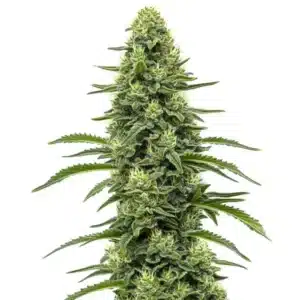
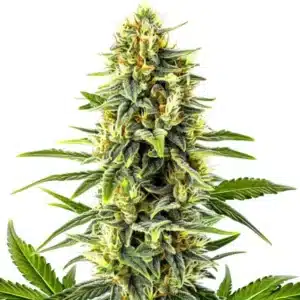
Choosing the right seeds is crucial. For beginners, starting with autoflowering strains such as OG Kush Auto from Blimburn Seeds can be a great choice. These strains are resilient and require minimal attention, making them perfect for a simple home-growing experience.
Recommended Strains
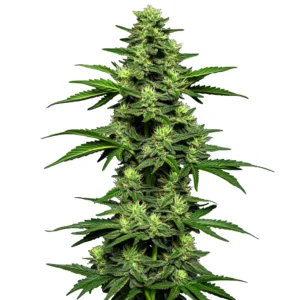
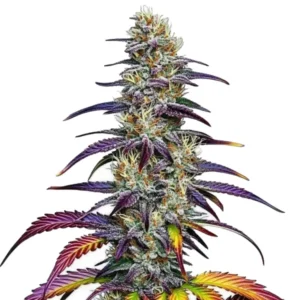
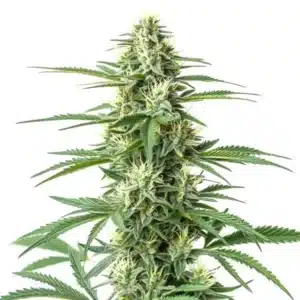
OG Kush Auto
 | THC | 17% - 24% (Medium) |
 | Type | Autoflowering |
 | Yield | Low |
 | Phenotype | 50% Indica / 50% Sativa |
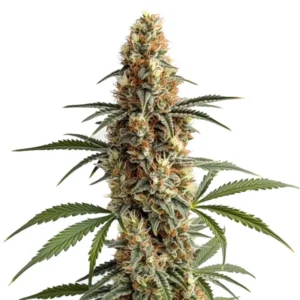
CBD Critical Mass (1:1)
 | CBD | 5% (Low) |
| | Type | CBD Feminized |
| | Yield | Medium |
| | Phenotype | 60% Indica / 40% Sativa |
Once you’ve selected your seeds, the focus shifts to the growing environment. Whether you’re growing indoors or outdoors, providing the right conditions is key. Let’s explore some simple techniques and easy cannabis growing tips for both settings.
Creating the Perfect Indoor Environment
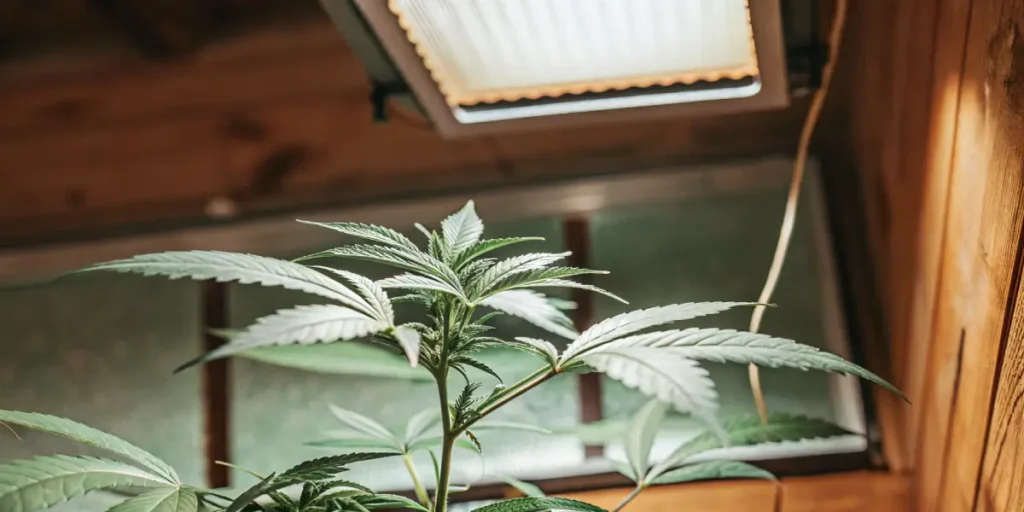
Setting up an indoor grow space doesn’t have to be complicated. Start by choosing a room or corner where you can control the climate. It’s essential to have a space where you can easily adjust light, temperature, and humidity.
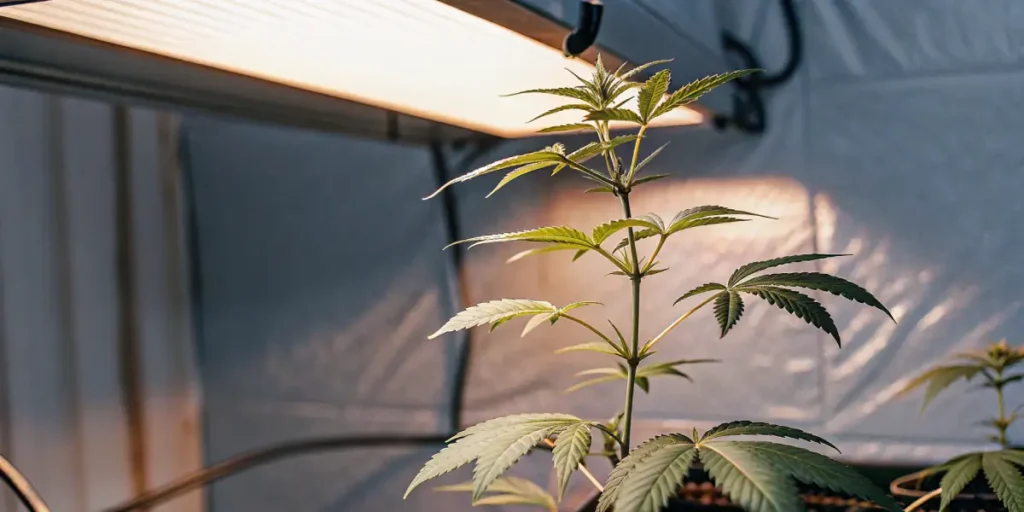
For lighting, LED grow lights are a popular choice. They are energy-efficient and provide the right spectrum for cannabis growth. Position the lights above the plants to mimic natural sunlight. Keep them on for 18 hours a day during the vegetative stage and 12 hours during the flowering stage.
To learn how to grow cannabis indoors step by step, consider investing in a good ventilation system. Proper airflow is crucial to prevent mold and pests from taking hold. Using fans to circulate air helps maintain a stable environment, contributing to healthy plant growth.
Humidity levels are also important when growing indoors. During the vegetative stage, aim for 40-70% humidity, while in the flowering stage, reduce it to 40-50%. Monitoring and adjusting these levels can make a significant difference in your success.
Promos & Deals
Outdoor Growing Made Easy
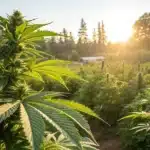
If you have the space, outdoor growing can be a straightforward and rewarding option. Choose a sunny spot with good airflow. Cannabis loves sunlight, so aim for a location that receives at least 6-8 hours of direct light daily.
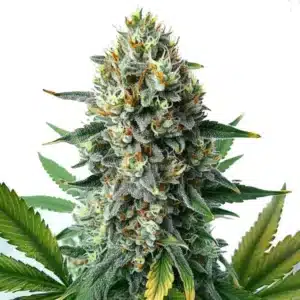
Outdoor growers should consider the climate. In cooler regions, opt for hardy strains like Critical Mass from Blimburn Seeds, known for their resilience. Ensure your plants are well-watered, but avoid overwatering, which can lead to root rot.
When planning an outdoor garden, consider the potential for pests and wildlife. Using natural deterrents such as mesh or netting can help protect your plants without harming the environment. Regular checks will help you catch any issues early.
Another factor in outdoor growing is soil quality. The best soil for easy cannabis cultivation can be created by mixing native soil with organic compost. This enriches the soil and supports robust plant development throughout the growing season.
Choosing the Best Soil for Easy Cannabis Cultivation
The right soil is essential for growing healthy cannabis plants. Opt for a light, well-draining soil rich in organic matter. A good mix often includes peat moss, perlite, and compost. This combination ensures your plants have access to the nutrients they need without becoming waterlogged.
When selecting soil, consider the pH level. Cannabis thrives in slightly acidic soil, with a pH of around 6.0 to 7.0. Using a soil test kit can help you maintain the right balance. Adjust as needed with lime or sulfur to keep your plants happy.
For those seeking an easy cannabis growing guide for beginners, starting with a high-quality commercial soil mix designed for cannabis can simplify the process. These mixes often come with balanced nutrients, reducing the need for additional fertilizers initially.
Remember that soil health can impact the overall health of your plants. Regularly check for compacted soil and break it up gently to allow roots to expand. This practice encourages better nutrient uptake and promotes vigorous growth.
Simple Tips for Growing Cannabis at Home
Growing cannabis at home can be a fun and rewarding hobby. Start with a manageable number of plants, especially if you’re new to cannabis cultivation. This allows you to learn and adjust without feeling overwhelmed.
Patience is key. Cannabis plants take time to grow and mature. Regularly check on your plants, but avoid the temptation to fuss over them too much. Overwatering and overfeeding are common pitfalls for beginners.
For effective home growing, it’s essential to understand how to grow cannabis easily without overcomplicating the process. Focus on maintaining consistent care routines and observe your plants’ responses to make necessary adjustments.
Embrace the learning process by experimenting with different techniques and documenting your findings. This practice not only enhances your skills but also helps in refining your approach with each subsequent growing cycle.
Easy Cannabis Growing Techniques for Small Spaces
Not everyone has a large backyard or a dedicated grow room. Fortunately, there are easy cannabis growing techniques for small spaces. Consider vertical growing, where you use shelves or racks to maximize your space.
Another option is using compact, bushy strains like Blue Dream from Blimburn Seeds. These plants are perfect for small spaces due to their manageable size and robust yield.
One of the key aspects of maximizing small spaces is to keep plants pruned and trained. Techniques like topping or low-stress training (LST) can help shape plants to fit limited areas while still promoting healthy growth.
Utilizing reflective materials on walls or surfaces can also enhance light distribution, ensuring all parts of the plant receive adequate light. This is particularly beneficial in small grow tents or closet setups where space is at a premium.
FAQs about how to grow cannabis easily
What is the best lighting schedule for cannabis plants?
The lighting schedule depends on the growth stage. During the vegetative stage, cannabis plants thrive on 18 hours of light and 6 hours of darkness. This mimics the long days of summer and encourages robust growth.
Once your plants enter the flowering stage, adjust the light schedule to 12 hours of light and 12 hours of darkness. This simulates the natural shift to autumn, prompting the plants to start producing buds.
Knowing the lighting requirements is part of mastering easy cannabis growing techniques for small spaces. Consistent light cycles promote healthy development and can enhance the final yield of your plants.
Experiment with light heights and spectrums to find the optimal setup for your specific strains. Each variety might respond differently, making observation and adjustment crucial for success.
How can I prevent pests from damaging my cannabis plants?
Preventing pests is crucial for a successful cannabis grow. Regularly inspect your plants for signs of infestation, such as holes in leaves or sticky residue. Early detection makes it easier to manage any issues.
Use natural pest repellents like neem oil or introduce beneficial insects like ladybugs to your grow environment. These methods help keep pest populations in check without harming your plants or the environment.
Maintaining cleanliness in your growing area is a simple tip for growing cannabis at home. Remove any dead leaves or debris that could attract pests, and consider companion planting with herbs like basil or mint to deter insects.
Implementing regular checks and employing preventive measures will reduce the likelihood of major pest infestations. It’s always easier to prevent pests than to deal with them after they’ve settled in.
When is the right time to harvest my cannabis plants?
Harvest time can significantly affect the quality of your cannabis. Most growers look at the trichomes, the tiny resin glands on the buds, to determine the right moment. When they turn milky white, it’s a good indicator that your plants are ready.
Another method is to observe the pistils, the hair-like structures on the buds. When about 70-80% of the pistils have darkened and curled inwards, it’s typically time to harvest. This ensures optimal potency and flavor.
Timing your harvest correctly is essential for achieving the desired effects from your cannabis. Some growers prefer to harvest slightly earlier or later, depending on whether they want a more energetic or relaxing effect.
Consider using a magnifying glass to get a closer look at the trichomes, as this can provide a clearer indication of readiness. This step is particularly useful for beginners seeking an easy cannabis growing guide for beginners.
What are the signs of nutrient deficiency in cannabis plants?
Nutrient deficiencies can manifest in various ways. Yellowing leaves often indicate a lack of nitrogen, while purple stems might suggest a phosphorus deficiency. Each nutrient plays a specific role in the plant’s health.
Regularly check your plants and adjust nutrient levels as needed. Using a balanced fertilizer can prevent most deficiencies. If issues persist, consider testing the soil to pinpoint the exact nutrient lacking.
Knowing the signs of nutrient deficiencies is crucial in learning how to grow cannabis easily. Early detection allows for quick corrections, ensuring plants remain healthy and productive.
Keep a close eye on new growth, as deficiencies often appear there first. By addressing issues promptly, you can maintain a thriving garden and enjoy a bountiful harvest.
How do I dry and cure cannabis buds properly?
After harvesting, drying and curing are critical steps to enhance the flavor and potency of your cannabis. Hang your buds upside down in a dark, well-ventilated room with a humidity level of around 50-60%.
Once the buds are dry, place them in airtight jars for curing. Open the jars daily to release moisture and check for mold. This process can take several weeks, but patience will reward you with smoother, more flavorful cannabis.
Proper drying and curing are part of the easy cannabis growing techniques for small spaces. Even in limited areas, aim to maintain optimal conditions to preserve the quality of your buds.
Consider using hygrometers to monitor humidity levels within your curing jars. This tool helps ensure you maintain the right environment, preventing mold and preserving terpenes for enhanced flavor.