Proven Insights: Tissue vs Sap Testing Accuracy for Cannabis

In the world of cannabis cultivation, ensuring the health and productivity of your plants is crucial. Two prevalent methods for assessing plant health are tissue and sap testing. Each method offers unique insights, but their accuracy can vary significantly. This article explores tissue vs sap testing accuracy for cannabis plants, highlighting how each approach affects nutrient management, growth efficiency, and overall yield. Knowing these differences can help growers make more informed decisions when cultivating cannabis, including popular strains from Blimburn Seeds.
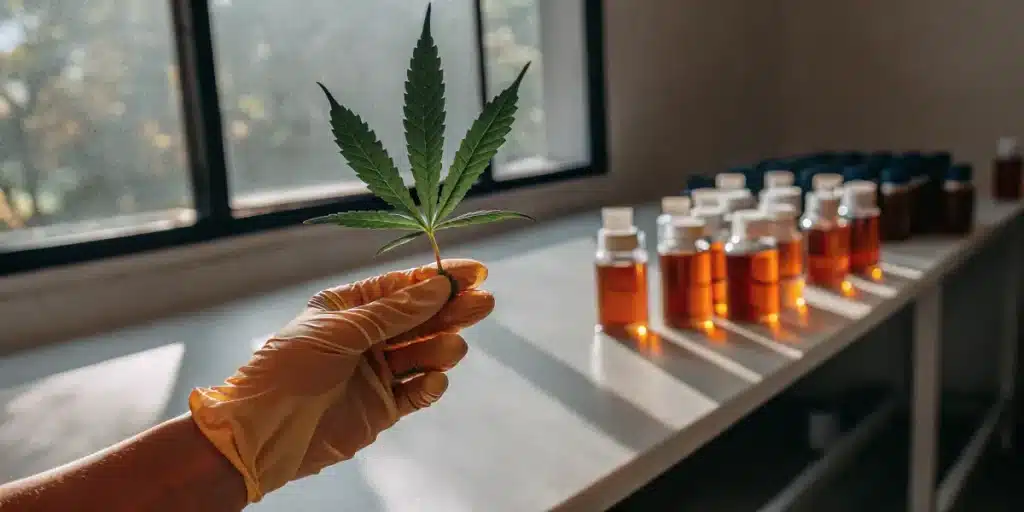
Tissue testing involves analyzing a small sample of the plant’s leaves to determine its nutrient levels. This method provides a snapshot of the nutrients available within the plant at a given time. On the other hand, sap testing measures the nutrient content in the plant’s sap, offering a real-time picture of nutrient uptake and movement within the plant. Both methods are invaluable, but knowing their accuracy and reliability is key for effective cannabis cultivation.
Recommended Strains
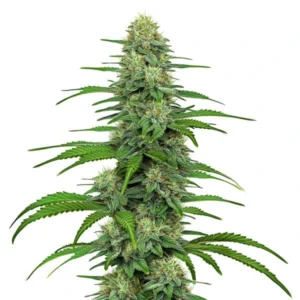
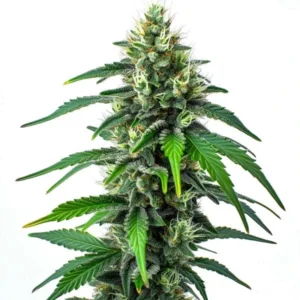
GG4
 | THC | 27% (High) |
 | Type | Feminized |
 | Yield | High |
 | Phenotype | 40% Indica / 60% Sativa |
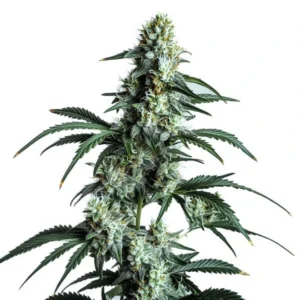
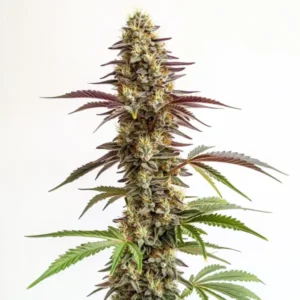
Sour Diesel
| | THC | 22% - 25% (Medium) |
| | Type | Feminized |
| | Yield | High |
| | Phenotype | 30% Indica / 70% Sativa |
For instance, when growing strains like GG4, Bruce Banner #3, and Sour Diesel from Blimburn Seeds, knowing the exact nutrient needs can significantly affect yield and potency. That’s where tissue and sap testing come into play, providing the data you need to optimize your growing conditions.
The Basics of Cannabis Tissue Testing
Tissue vs sap testing accuracy for cannabis plants is a key topic for growers aiming to achieve precise nutrient management. Cannabis tissue testing precision is crucial for understanding the internal nutrient status of plants. By analyzing leaf samples, growers can determine whether their plants are receiving the right nutrients. This method is particularly useful for diagnosing deficiencies or toxicities.
For example, if you notice yellowing leaves on your Bruce Banner #3 plants, a tissue test might reveal a nitrogen deficiency. This information can guide you to adjust your fertilization strategy accordingly, ensuring your plants remain healthy and productive.
Beyond identifying deficiencies, cannabis tissue testing precision allows for the detection of nutrient toxicities that might not be immediately visible. This proactive approach ensures that excess nutrients do not build up to harmful levels, which could otherwise stunt growth or reduce yield. For Blimburn Seeds strains with specific nutritional demands, maintaining balanced nutrient levels through precise tissue testing is essential for optimal cultivation outcomes.
Moreover, tissue testing contributes to long-term nutrient management strategies. By consistently monitoring nutrient levels over time, growers can identify trends and adjust their fertilization practices to align with the changing needs of the plant throughout its life cycle. This is particularly beneficial for strains like Sour Diesel, which may require different nutrient profiles at various growth stages, ensuring that the plants receive balanced nutrition throughout their development.
Promos & Deals



Sap Analysis Reliability in Cannabis Cultivation
When comparing tissue vs sap testing accuracy for cannabis plants, sap analysis provides a more dynamic view of a plant’s nutrient status compared to tissue testing. This method measures the nutrients present in the sap, the plant’s lifeblood, offering insights into nutrient uptake and movement. For strains like Sour Diesel, which have specific nutrient needs, sap testing can be particularly beneficial.
The reliability of sap analysis in cannabis cultivation lies in its ability to provide real-time data. This allows growers to make timely adjustments to their feeding regimens, which can be crucial during different growth stages. For example, during the flowering stage, increased potassium and phosphorus levels might be needed, and sap testing can confirm whether these nutrients are reaching the plant effectively.
Knowing the sap analysis reliability in cannabis cultivation means recognizing its role in immediate nutrient management. This method allows for quick responses to nutrient imbalances, minimizing the risk of deficiencies that could impact plant health and yield. For Blimburn Seeds strains, where precise nutrient management can lead to enhanced potency and growth, sap testing serves as an invaluable tool for maintaining optimal cultivation conditions.
Additionally, sap analysis reliability in cannabis cultivation is enhanced when used in conjunction with environmental monitoring. By correlating sap nutrient data with factors like temperature and humidity, growers can better understand how these external conditions influence nutrient uptake. This comprehensive approach ensures that cannabis plants, including popular Blimburn Seeds varieties, receive the nutrients they need under varying environmental conditions.
Comparison of Tissue and Sap Testing for Cannabis
When comparing tissue and sap testing for cannabis, several factors come into play. Tissue testing provides a historical view of the plant’s nutrient status, reflecting what the plant has accumulated over time. In contrast, sap testing offers a snapshot of current nutrient dynamics, showing what the plant is currently absorbing.
For growers of GG4, knowing these differences can help tailor their nutrient management strategies. If tissue tests show adequate phosphorus but sap tests indicate a deficiency, it may signal an issue with nutrient uptake or mobility within the plant.
The comparison of tissue and sap testing for cannabis is crucial for developing a well-rounded nutrient management strategy. While tissue testing provides insights into long-term nutrient accumulation, sap testing delivers immediate data on nutrient availability. By integrating both methods, growers can create a comprehensive nutrient profile that supports healthy growth and maximizes the yield of Blimburn Seeds strains.
Moreover, the cannabis plant tissue vs sap testing efficacy lies in their complementary nature. Tissue tests can identify historical trends and potential nutrient storage issues, while sap tests can detect acute imbalances that require immediate attention. This dual approach ensures that growers can address both chronic and acute nutrient issues, optimizing plant health and productivity across all stages of development.

Accuracy of Cannabis Plant Sap Testing
When it comes to Tissue vs sap testing accuracy for cannabis plants, several factors must be considered. The method’s real-time nature allows growers to detect and correct nutrient issues swiftly. However, external factors such as environmental conditions can influence sap nutrient levels, potentially affecting accuracy.
Despite these variables, sap testing remains a reliable tool for monitoring plant health. For instance, if sap tests show low magnesium levels in your Sour Diesel plants, you can quickly supplement this nutrient to prevent deficiencies that might affect plant growth and yield.
The accuracy of cannabis plant sap testing is enhanced by the grower’s ability to interpret data effectively. By knowing how environmental factors affect nutrient levels in the sap, growers can make informed decisions that enhance plant health. This is particularly important for Blimburn Seeds strains, where precise nutrient adjustments can lead to significant improvements in yield and potency.
Furthermore, sap testing provides key insights into the efficacy of different fertilization strategies. By monitoring how quickly and effectively nutrients are absorbed, growers can refine their approaches to achieve optimal results. This iterative process is essential for maximizing the potential of cannabis plants, ensuring that they receive the right nutrients at the right times for robust growth and development.
FAQs about Tissue vs sap testing accuracy for cannabis plants
What is the main advantage of tissue testing over sap testing?
Tissue testing provides a historical perspective on nutrient accumulation within the cannabis plant. This method is particularly beneficial for identifying long-term nutrient deficiencies or toxicities. By analyzing leaf samples, growers can determine which nutrients have been absorbed by the plant over time, offering insights that can guide future fertilization strategies.
For example, if tissue tests reveal low levels of potassium in your Bruce Banner #3 plants, it may indicate a need for increased potassium supplementation in your nutrient regimen. This long-term perspective can help growers plan their nutrient management strategies effectively, ensuring optimal plant health and productivity.
One of the main advantages of tissue testing over sap testing is its ability to reveal nutrient accumulation patterns that may not be immediately apparent in sap analysis. This historical data is invaluable for diagnosing persistent nutrient imbalances that could affect future growth cycles. For Blimburn Seeds strains, knowing these patterns ensures that growers can prepare for upcoming cultivation seasons with more targeted nutrient strategies.
Additionally, tissue testing’s comprehensive nature allows for a more detailed analysis of micronutrient levels, which can be critical for the health of cannabis plants. By identifying subtle imbalances that sap testing might miss, growers can fine-tune their nutrient regimens to support the specific needs of each strain, enhancing overall plant vitality and yield.
How does sap testing enhance nutrient management for cannabis plants?
Sap testing offers a real-time view of nutrient uptake and transport within the cannabis plant. This dynamic method allows growers to assess the immediate nutrient status of their plants, enabling timely adjustments to fertilization practices. By measuring nutrient levels in the plant’s sap, growers can quickly identify deficiencies or imbalances.
For instance, if sap tests show low calcium levels in your GG4 plants during the flowering stage, you can immediately address this deficiency by adjusting nutrient solutions. This proactive approach helps prevent nutrient-related issues and supports overall plant health and yield.
Sap testing enhances nutrient management for cannabis plants by providing actionable insights that can be quickly implemented. This method’s real-time data allows growers to respond to nutrient imbalances before they result in visible plant stress, ensuring that Blimburn Seeds strains maintain optimal growth conditions at all times.
Moreover, the dynamic nature of sap testing enables growers to adapt their cultivation practices to different growth stages. For example, during the vegetative phase, higher nitrogen levels may be necessary, while flowering may demand increased phosphorus and potassium. By tailoring nutrient regimens based on sap test results, growers can optimize plant development and maximize yield potential.
Can both tissue and sap testing be used simultaneously?
Yes, using both tissue and sap testing simultaneously can provide a comprehensive knowing of your cannabis plants’ nutrient status. Tissue testing offers insights into long-term nutrient accumulation, while sap testing provides real-time data on nutrient uptake and mobility. Together, these methods offer a well-rounded view of plant health.
For example, if tissue tests show sufficient phosphorus levels but sap tests indicate a deficiency, it may highlight an issue with nutrient uptake or movement within the plant. By combining both testing methods, growers can fine-tune their nutrient management strategies, ensuring optimal plant growth and yield for strains like Sour Diesel.
Employing both tissue and sap testing simultaneously allows for a robust nutrient management strategy that addresses both immediate and long-term plant needs. By leveraging the strengths of each method, growers can develop a more nuanced knowing of how nutrients are processed and utilized by Blimburn Seeds strains, ensuring consistent plant health and productivity.
Furthermore, the combined use of tissue and sap testing facilitates more effective troubleshooting of nutrient-related issues. If discrepancies arise between the two testing methods, it can signal underlying problems such as root health or environmental stressors, prompting a more comprehensive investigation to maintain optimal cultivation conditions.
Are there any limitations to tissue and sap testing accuracy for cannabis plants?
While both tissue and sap testing are valuable tools for assessing plant health, they have limitations. Tissue testing provides historical data, which may not reflect current nutrient dynamics. Sap testing, although providing real-time information, can be influenced by environmental factors such as temperature and humidity, affecting accuracy.
Despite these limitations, both testing methods offer crucial insights for cannabis cultivation. By knowing their strengths and weaknesses, growers can use these tools effectively to optimize nutrient management strategies. For instance, consistent use of both methods can help identify trends and patterns in nutrient uptake for strains like Bruce Banner.
One limitation of tissue and sap testing accuracy for cannabis plants is the variability introduced by external factors. Environmental changes or fluctuations in water quality can alter nutrient availability, impacting test results. By taking these variables into account, growers can better interpret data and make informed decisions for their Blimburn Seeds strains.
Another potential limitation is the need for specialized equipment and expertise to conduct these tests accurately. While many growers can perform basic tests, advanced analysis may require professional services, adding to the cultivation cost. However, the investment in accurate testing methods often translates to improved yields and plant health, making it a worthwhile consideration for serious cultivators.
How can Blimburn Seeds strains benefit from accurate testing methods?
Accurate testing methods, such as tissue and sap testing, are essential for maximizing the potential of Blimburn Seeds strains. These methods provide valuable data on nutrient status, allowing growers to tailor their nutrient management strategies to meet the specific needs of each strain. By ensuring optimal nutrient levels, growers can enhance plant health, yield, and potency.
For example, strains like GG4, Sour Diesel, and Bruce Banner #3 have unique nutrient requirements. Accurate testing helps identify and address any deficiencies or imbalances, supporting robust growth and development. By leveraging the insights gained from tissue and sap testing, growers can achieve superior results with their Blimburn Seeds strains.
Blimburn Seeds strains, known for their exceptional quality and unique characteristics, can greatly benefit from accurate testing methods in terms of both yield and potency. By precisely monitoring nutrient levels, growers can ensure that each plant receives the specific nutrients it needs to thrive, leading to more vigorous growth and higher cannabinoid content.
Additionally, accurate testing methods help in optimizing the growing environment for Blimburn Seeds strains. By knowing nutrient needs and adjusting fertilization practices accordingly, growers can create ideal conditions that enhance the genetic potential of each strain, resulting in cannabis plants that are not only healthy but also produce superior quality flowers.