How Does Brix Influence Cannabis Trichome Development? Expert Insights

Many cannabis enthusiasts, from first-time seed buyers to seasoned growers, often ask, “How does Brix influence cannabis trichome development?” Brix levels, which measure the sugar content in plant sap, are a key factor in the growth of cannabis plants. Higher Brix levels generally indicate a healthier plant, which often leads to more potent and flavorful trichomes.
The trichomes on cannabis plants are the tiny, crystal-like structures that develop on buds and leaves. They are responsible for the production of cannabinoids and terpenes. When Brix levels are optimized, trichome production can be significantly enhanced, leading to a more robust harvest.
Recommended Strains
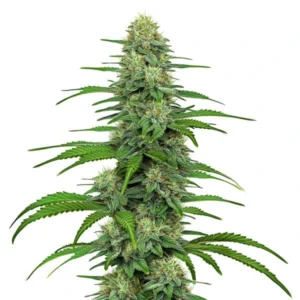
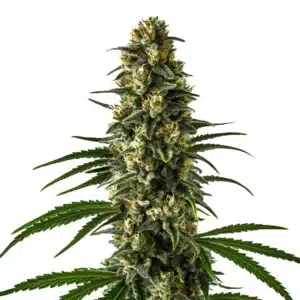
GG4
 | THC | 27% (High) |
 | Type | Feminized |
 | Yield | High |
 | Phenotype | 40% Indica / 60% Sativa |
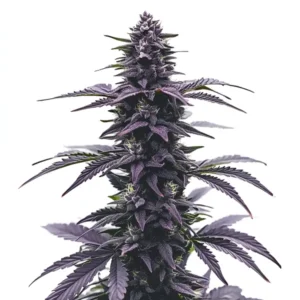
Girl Scout Cookies
| | THC | 18% - 25% (Medium) |
| | Type | Feminized |
| | Yield | High |
| | Phenotype | 60% Indica / 40% Sativa |
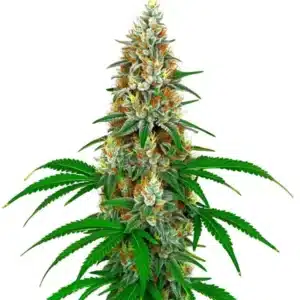
Trichomes are where the magic happens. They house all the essential compounds that give each cannabis strain its unique characteristics. For example, strains like Blue Dream from Blimburn Seeds benefit greatly from higher Brix levels, resulting in richer flavors and effects.
What Are Brix Levels?
Brix is a term used to express the sugar content of an aqueous solution. In the context of plants, it refers to the sugar level in the sap. A refractometer is typically used to measure it, providing a quick insight into the plant’s health and vigor.
High Brix levels are often associated with better-tasting fruits and vegetables, and the same principle applies to cannabis. Higher sugar content means more energy for the plant, which can influence various aspects of growth, including trichome density and quality.
The concept of Brix levels extends beyond just sugar content; it reflects the overall nutrient status of the plant. This is why regular monitoring can be crucial for adjusting nutrient regimens to maintain optimal plant health. Growers who understand the function of Brix levels can better manage their growing environments to enhance their plants’ performance.
In cannabis cultivation, knowing how Brix levels affect cannabis trichome production is essential for achieving desired outcomes in potency and flavor. By correlating Brix readings with plant performance, growers can fine-tune their practices to ensure that their plants are thriving, which directly impacts the quality of the trichomes produced.
Promos & Deals
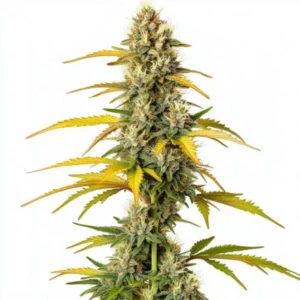
Impact of Brix Levels on Cannabis Trichome Formation
The impact of Brix levels on cannabis trichome formation is profound. When Brix levels are high, plants generally exhibit better resistance to pests and diseases. This naturally translates to healthier plants that can focus their energy on producing quality trichomes.
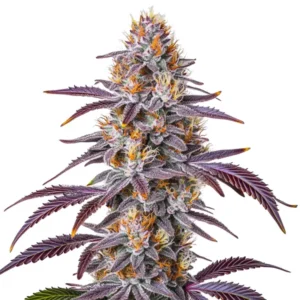
Trichomes thrive in environments where the plant is thriving. High Brix levels help optimize the plant’s nutrient uptake, thus enhancing the overall trichome production. This means that strains like Girl Scout Cookies from Blimburn Seeds can reach their full potential with the right Brix conditions.
Moreover, the impact of Brix levels on cannabis trichome formation is not limited to just the quantity of trichomes. The quality of trichomes, including their cannabinoid and terpene profiles, is also significantly influenced. Plants with optimal Brix levels tend to produce trichomes that are richer in these compounds.
Knowing the interplay between Brix levels and trichome development can enable growers to anticipate and mitigate potential issues. For instance, if Brix levels begin to drop, it could indicate a need for nutrient adjustments, ensuring that the plant continues to produce high-quality trichomes throughout its lifecycle.
Function of Brix in Cannabis Trichome Maturation
Brix levels also play a crucial role in cannabis trichome maturation. As trichomes develop, they transition through various stages, from clear to cloudy, and finally to amber. This process is influenced by the plant’s overall health, which is directly linked to its Brix levels.
Plants with higher Brix levels often produce trichomes that mature at a more consistent rate. This can lead to a more predictable harvest time, allowing growers to plan accordingly. For example, the OG Kush strain from Blimburn Seeds is known for its potent trichomes, which can be enhanced by maintaining optimal Brix levels.
The function of Brix in cannabis trichome maturation extends to ensuring the plant’s resilience during critical growth phases. A stable Brix level can help prevent stress-related issues that might otherwise disrupt trichome development. This stability is key for growers aiming for a high-quality yield.
Furthermore, monitoring and maintaining optimal Brix levels can lead to a more uniform trichome maturity across the plant. This uniformity is beneficial for growers looking to harvest at the perfect time to maximize the strain’s specific effects and flavor profiles, making the function of Brix in cannabis trichome maturation a critical factor.
Brix Measurement Effects on Cannabis Trichomes
Regularly measuring Brix levels can provide valuable insights into the plant’s health and its trichome development. Growers often use this information to make necessary adjustments in their cultivation practices to optimize trichome production.
When Brix levels are monitored, growers can identify nutrient deficiencies or excesses early. This proactive approach ensures that plants receive the right balance of nutrients, leading to improved trichome density and quality. The Gorilla Glue 4 strain from Blimburn Seeds thrives under such care.
Consistent Brix measurement effects on cannabis trichomes can also reveal trends in plant health that might not be immediately visible. By tracking Brix levels over time, growers can identify patterns that correlate with successful trichome production, allowing for strategic adjustments.
Additionally, knowing brix measurement effects on cannabis trichomes can help growers optimize environmental conditions such as light and humidity. By aligning these external factors with the plant’s internal health indicators, growers can create a synergistic environment that maximizes trichome output and quality.

Brix Influence on Cannabis Plant Trichome Density
Brix levels have a direct influence on cannabis plant trichome density. Higher Brix levels usually correlate with a denser trichome layer on the plant’s surface, which can enhance the potency and overall quality of the cannabis.
Dense trichome coverage is not just for aesthetic appeal; it plays a vital role in protecting the plant from environmental stresses. Additionally, denser trichomes mean more cannabinoids and terpenes, leading to a better experience for the consumer.
The brix influence on cannabis plant trichome density is a crucial consideration for growers focused on maximizing the therapeutic and recreational benefits of their crops. By maintaining the right Brix levels, they can ensure that their plants are equipped to produce a rich array of chemical compounds.
Furthermore, the relationship between Brix levels and trichome density provides insights into the plant’s overall vitality. A high Brix reading often indicates that the plant is not only healthy but also capable of producing the dense trichome coverage that distinguishes premium cannabis strains like Blue Dream from Blimburn Seeds.
FAQs about How does Brix influence cannabis trichome development?
How does Brix influence cannabis trichome development?
Brix influences cannabis trichome development by providing insights into the plant’s health and sugar levels. High Brix levels often mean the plant is thriving, leading to enhanced trichome production. This results in more potent and flavorful cannabis, as trichomes are responsible for producing cannabinoids and terpenes.
In practical terms, growers can monitor Brix levels to ensure their plants are healthy. By doing so, they can make adjustments to improve trichome development, optimizing both the yield and quality of their cannabis harvest.
Knowing how Brix influences cannabis trichome development allows growers to take a data-driven approach to cultivation. By linking Brix levels with trichome outcomes, they can refine their techniques, leading to consistent production of high-quality cannabis.
Additionally, the knowledge of how Brix influences cannabis trichome development is vital for adapting to different strain requirements. Each strain may respond uniquely to Brix levels, allowing growers to customize their approach based on specific genetic traits and desired results.
What is the impact of Brix levels on cannabis trichome formation?
The impact of Brix levels on cannabis trichome formation is significant. High Brix levels typically result in healthier plants with a greater ability to produce quality trichomes. This is because the plant can more efficiently uptake nutrients and resist pests and diseases.
Growers can leverage this by ensuring their plants have optimal Brix levels throughout the growth cycle, particularly during flowering when trichome production is at its peak.
The impact of Brix levels on cannabis trichome formation also extends to the plant’s resilience against environmental challenges. High Brix levels bolster the plant’s immune response, enabling it to allocate more energy towards trichome production rather than defense mechanisms.
By knowing the impact of Brix levels on cannabis trichome formation, growers can tailor their nutrient plans and environmental controls to support the plant’s natural growth processes. This strategic approach can lead to trichome-rich harvests that meet both recreational and medicinal needs.
How do Brix levels affect cannabis trichome production?
Brix levels affect cannabis trichome production by influencing the plant’s overall health and nutrient uptake. Higher Brix levels mean the plant is getting what it needs to thrive, resulting in increased trichome production and, consequently, more cannabinoids and terpenes.
For growers, this means that by maintaining the right Brix levels, they can enhance the quality and potency of their cannabis, providing a better product to consumers.
Knowing how Brix levels affect cannabis trichome production is crucial for achieving a balance between vegetative growth and trichome development. Properly managed Brix levels can lead to optimal plant performance, ensuring that energy is directed towards trichome-rich buds.
Additionally, by focusing on how Brix levels affect cannabis trichome production, growers can anticipate potential issues and address them proactively. This foresight helps maintain a steady supply of high-quality cannabis, meeting the expectations of both personal users and commercial markets.
What role does Brix play in cannabis trichome maturation?
Brix plays a crucial role in cannabis trichome maturation by affecting the plant’s health and development. Trichomes mature in stages, and high Brix levels ensure that this process occurs smoothly and consistently, leading to a more predictable and quality harvest.
By monitoring Brix levels, growers can ensure that their plants are on track to produce mature trichomes, which are vital for the desired effects and flavors of the cannabis strain.
The function of Brix in cannabis trichome maturation is also evident in the timing of harvest. By correlating Brix levels with trichome maturity, growers can determine the ideal window for harvesting, ensuring maximum potency and flavor development.
Moreover, the function of Brix in cannabis trichome maturation can vary between strains, necessitating a tailored approach. For example, strains from Blimburn Seeds may exhibit unique maturation timelines influenced by Brix levels, allowing growers to customize their cultivation techniques for each strain’s specific needs.
How can I measure Brix levels in cannabis plants?
Brix levels in cannabis plants are typically measured using a refractometer. This device provides a quick reading of the sugar content in the plant’s sap, offering insights into its health and vigor. Regular measurements can help growers make necessary adjustments in their care routines.
For those growing strains from Blimburn Seeds, like Girl Scout Cookies, measuring Brix levels can be an essential part of ensuring optimal growth conditions and enhancing trichome development.
To measure Brix levels effectively, growers should take samples from different parts of the plant over time, ensuring a comprehensive knowing of the plant’s health. This practice can reveal variations within the plant that may require targeted interventions.
Besides, knowing the nuances of Brix measurement effects on cannabis trichomes can aid growers in refining their techniques. By analyzing Brix data, growers can adjust nutrient regimens and environmental conditions to maintain an optimal growing environment, thereby enhancing trichome development and overall plant health.