Expert Tips: How to Avoid Nutrient Toxicity in Cannabis Easily

Growing cannabis can be a rewarding journey, but it’s not without its challenges. One of the biggest hurdles growers face is nutrient toxicity. This happens when plants receive too many nutrients, leading to burnt leaves and stunted growth. But fear not, because avoiding nutrient toxicity is easier than you might think. With the right steps and knowledge, you can ensure your cannabis thrives.
Let’s dive into practical methods to avoid cannabis nutrient toxicity issues. It’s essential to remember that less is sometimes more. Overloading your plants with nutrients can be tempting, especially when you’re eager to see them flourish. However, moderation is key to maintaining a healthy balance.
Recommended Strains
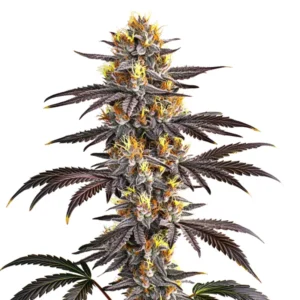
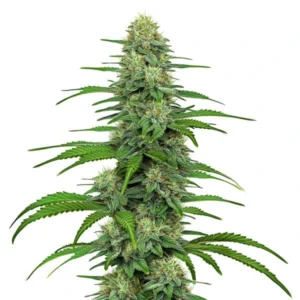
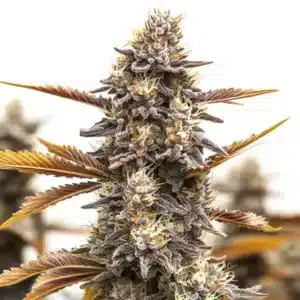
Gelato
 | THC | 27% (High) |
 | Type | Feminized |
 | Yield | High |
 | Phenotype | 50% Indica / 50% Sativa |
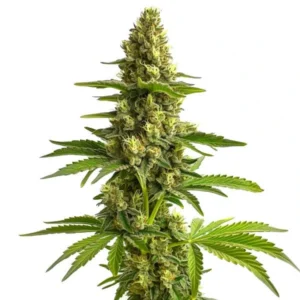
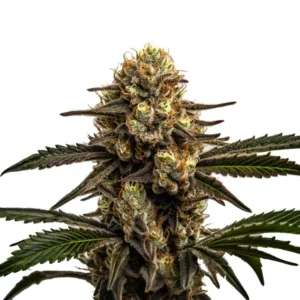
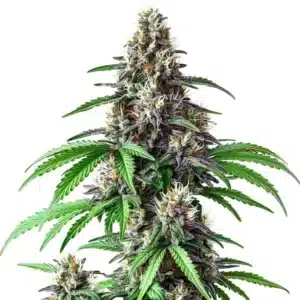
Bruce Banner #3
| | THC | 20% - 29% (High) |
| | Type | Feminized |
| | Yield | Medium |
| | Phenotype | 50% Indica / 50% Sativa |
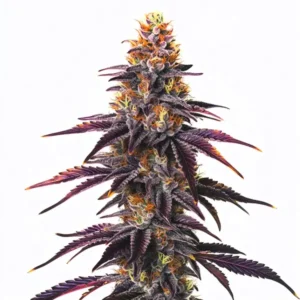
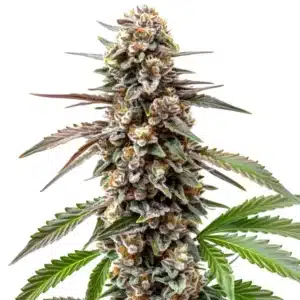
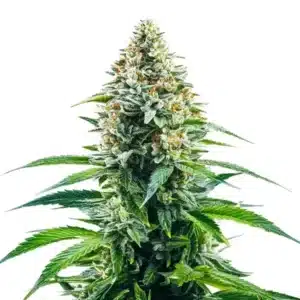
Several strains from Blimburn Seeds, like the energizing Gelato, the resilient Blackberry Moonrocks, and the potent Bruce Banner #3, can benefit from these expert tips on how to avoid nutrient toxicity in cannabis.
Recognizing Signs of Nutrient Toxicity
First, let’s talk about recognizing the symptoms of nutrient toxicity. The most common sign is leaf burn, which starts at the tips and edges. This occurs when the plant can’t process the excess nutrients, leading to a buildup of salts. The leaves may also curl or become brittle.
Another symptom is dark green leaves. While a healthy cannabis plant should have vibrant green foliage, too dark a shade indicates excess nitrogen. This can eventually lead to reduced yields and poor flowering. Keep an eye out for these signs to manage nutrient levels in cannabis cultivation effectively.
Besides to visual signs, nutrient toxicity can also affect the overall vigor of your plants. You might notice slower growth rates and a lack of new leaf production. These issues can compound over time, leading to a significant decline in plant health if not addressed promptly.
Addressing these symptoms early can prevent more severe problems down the line. Implementing regular checks on your plants will help catch any signs of nutrient toxicity before they become unmanageable. By staying vigilant, you can ensure your plants remain healthy and productive throughout their growth cycle.
Preventing Nutrient Burn in Cannabis Plants
Preventing nutrient burn in cannabis plants involves a careful approach to feeding. Start by using a balanced nutrient mix. Over-fertilization is a common mistake, so always measure your nutrients precisely. Use a digital scale for dry nutrients and a measuring cup for liquids.
Another tip for preventing cannabis nutrient overdose is to follow a feeding schedule tailored to your plant’s growth stage. Seedlings require fewer nutrients than flowering plants. Adjust your feeding as your plants mature to avoid excess.
Knowing the specific nutrient needs of your cannabis strains can also play a crucial role in how to prevent nutrient burn in cannabis plants. Each strain may have unique requirements, and tailoring your nutrient mix accordingly can make a significant difference.
It’s also wise to incorporate regular soil tests into your routine. These tests provide insights into the nutrient levels present in your growing medium, allowing you to make informed decisions about your feeding strategy. This method is one of the best practices for balanced nutrient use in cannabis growing.
Promos & Deals
Methods to Avoid Cannabis Nutrient Toxicity Issues
When it comes to methods to avoid cannabis nutrient toxicity issues, knowing your soil’s needs is crucial. Conduct a soil test to determine its nutrient content before adding any supplements. This way, you can tailor your feeding regimen to what your plants truly need.
Consider using organic nutrients. They release more slowly than chemical fertilizers, reducing the risk of overload. Organic options also improve soil structure and microbial activity, promoting healthier plant growth. Brands like Blimburn Seeds recommend organic feeding for strains like Gelato and Bruce Banner #3.
Integrating natural amendments, such as compost or worm castings, can further enhance soil quality and nutrient balance. These organic additions support microbial activity, creating a thriving environment for your cannabis plants to grow without the risk of nutrient toxicity.
Additionally, rotating your plants between different nutrient sources can help prevent buildup and ensure balanced feeding. By varying the types of nutrients you apply, your plants can absorb a broader spectrum of essential elements, reducing the chance of toxicity and promoting vigorous growth.
Steps to Manage Nutrient Levels in Cannabis Cultivation
Managing nutrient levels in cannabis cultivation requires regular observation. Check the pH of your soil or growing medium frequently. An imbalanced pH can lead to nutrient lockout, where plants cannot absorb essential minerals even if they’re present.
Use a pH meter to ensure levels stay between 6.0 and 7.0 for soil and 5.5 to 6.5 for hydroponic systems. Adjusting pH can prevent both deficiency and toxicity, maintaining optimal growth conditions.
Another crucial step is to maintain a consistent watering schedule. Overwatering can lead to nutrient leaching, while underwatering can cause nutrient concentration to rise. Both scenarios can contribute to toxicity, so finding the right balance is key.
Regularly calibrate your pH and EC meters to ensure accurate readings. Faulty equipment can lead to incorrect assessments, hindering your efforts to manage nutrient levels effectively. Keeping your tools in check will provide reliable data to guide your feeding decisions.

Best Practices for Balanced Nutrient Use in Cannabis Growing
Avoiding nutrient toxicity is all about balance. Start with a light feeding, and gradually increase as your plants show signs of needing more. Remember, it’s easier to add nutrients than to remove them.
Rotate your feeding schedule with plain water days. This practice helps rinse out any potential excess and maintains a healthy growing environment. It’s a simple yet effective step in preventing nutrient toxicity.
Implementing a structured feeding plan is one of the best practices for balanced nutrient use in cannabis growing. A well-thought-out plan considers the plant’s lifecycle stages and adjusts nutrient levels accordingly, ensuring optimal growth without the risk of toxicity.
Engage with the cannabis growing community to exchange experiences and insights. Learning from others’ successes and mistakes can provide valuable knowledge on how to avoid nutrient toxicity in cannabis, helping you refine your approach and achieve better results.
Choosing the Right Cannabis Strains
Choosing the right cannabis strains can also affect how you manage nutrient levels. Some strains, such as Blackberry Moonrocks from Blimburn Seeds, are more resilient to nutrient variations. These strains adapt better to feeding fluctuations, making them ideal for beginners.
When starting with a new strain, research its nutrient preferences. Some strains might prefer lighter feeding, while others thrive with a bit more. Adjust your nutrient regime based on the specific needs of the strain you are growing.
Knowing the genetic makeup of your chosen strains can help predict their nutrient needs. Indica-dominant strains, for example, often require different feeding strategies compared to sativa-dominant ones. Tailoring your approach to the genetic traits of your plants can enhance their growth and prevent toxicity.
Collaborating with experienced growers who have cultivated the same strains can provide deeper insights into their nutrient demands. By sharing knowledge and experiences, you can optimize your cultivation practices, ensuring your plants receive the right balance of nutrients throughout their development.
FAQs about how to avoid nutrient toxicity in cannabis
What is nutrient toxicity in cannabis?
Nutrient toxicity occurs when cannabis plants receive too many nutrients, leading to a buildup of salts in the soil. This overwhelms the plants, causing symptoms like leaf burn, curling, and dark green foliage. It’s a common issue among growers eager to promote rapid growth.
Addressing nutrient toxicity is critical to ensuring healthy plant development. Recognizing early signs and adjusting feeding routines can prevent long-term damage and ensure your cannabis plants yield potent, high-quality buds.
Knowing how to avoid nutrient toxicity in cannabis involves recognizing the delicate balance required in feeding practices. By being proactive and attentive, growers can prevent toxicity and maintain robust plant health, leading to more successful harvests.
Educating yourself on the various symptoms and causes of nutrient toxicity can empower you to make informed decisions in your cannabis cultivation efforts. With the right knowledge, you can avert potential setbacks and foster a thriving growing environment.
How can I tell if my cannabis plants are suffering from nutrient toxicity?
Look for specific symptoms such as burnt leaf tips, curling leaves, and an unusually dark green color. These signs indicate that your plants are receiving more nutrients than they can process. Over time, this can stunt growth and reduce yields.
If you suspect nutrient toxicity, consider flushing your plants with clean water to remove excess salts. Monitor their recovery and adjust your feeding schedule accordingly to prevent future occurrences.
Regular inspections and monitoring of your plants can also help detect subtle changes in growth patterns or leaf coloration, which may indicate early stages of nutrient toxicity. Being observant and responsive can help mitigate issues before they escalate.
Utilizing tools like soil moisture meters and nutrient test kits can provide additional data to assess your plants’ condition. These instruments can offer precise insights into the health of your growing environment, supporting your efforts to maintain optimal conditions.
What are some steps I can take to prevent nutrient burn?
To prevent nutrient burn, start with a balanced nutrient mix and adhere to a consistent feeding schedule. Measure nutrients accurately and provide only what your plants need for their current growth stage. Regularly flushing with water can also help maintain balance.
Consider using organic fertilizers, which release nutrients more slowly and reduce the risk of burn. Research the specific needs of your cannabis strain to tailor your feeding approach effectively.
Timing is also critical in how to prevent nutrient burn in cannabis plants. Feeding your plants at the right intervals can prevent nutrient accumulation and ensure they receive just the right amount for healthy growth.
Adapting your nutrient strategy based on environmental conditions, such as temperature and humidity, can further help prevent toxicity. These factors influence plant metabolism, and knowing their interplay with nutrient uptake can enhance your cultivation success.
Are certain cannabis strains more prone to nutrient toxicity?
Yes, some cannabis strains are more sensitive to nutrient levels than others. It’s essential to research the specific needs of your chosen strain. Strains like Gelato and Bruce Banner #3 from Blimburn Seeds can handle nutrient fluctuations better, making them suitable for beginners.
By knowing the nutrient requirements of your strain, you can adjust your feeding routines to prevent toxicity. Engage with the growing community to learn from others’ experiences with the same strains.
Strain sensitivity to nutrient levels can significantly impact your feeding strategy. Selecting strains with a reputation for resilience can simplify the cultivation process, especially for new growers seeking to avoid nutrient-related issues.
Exploring the genetic lineage of your cannabis strains can provide insights into their potential nutrient needs. Strains with robust parentage may exhibit greater adaptability, allowing them to thrive with a broader range of nutrient regimens.
Can improper pH levels cause nutrient toxicity?
Yes, improper pH levels can lead to nutrient lockout, where plants can’t absorb essential nutrients, causing symptoms similar to toxicity. It’s crucial to maintain a balanced pH to ensure healthy nutrient uptake.
Regularly test your growing medium’s pH and adjust it as necessary. Proper pH management is a vital part of steps to manage nutrient levels in cannabis cultivation, preventing both deficiencies and toxicities.
Knowing the relationship between pH and nutrient availability is fundamental in how to avoid nutrient toxicity in cannabis. By keeping pH levels within the optimal range, you ensure that nutrients remain accessible to your plants.
Utilizing pH-adjusting products, such as lime or sulfur, can help fine-tune your growing environment. These amendments can stabilize pH levels, creating a more favorable setting for nutrient uptake and overall plant health.