Expert Guide: What Are Brix Levels in Cannabis and Why They Matter?

Brix levels are a crucial measure for cannabis growers, both new and experienced. Brix levels in cannabis refer to the sugar content in the plant’s sap. This measurement helps in assessing the plant’s health and quality. The term “Brix” originates from a 19th-century German scientist, Adolf Brix, who developed a scale to measure sugar content in liquids.
For cannabis cultivators, the Brix measurement in cannabis cultivation is essential. Higher Brix levels often indicate a healthier plant. They can also signal that the plant might produce higher quality buds. This is why the importance of Brix levels in cannabis cannot be underestimated.
Recommended Strains
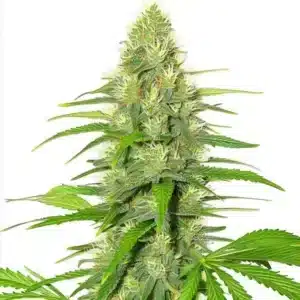
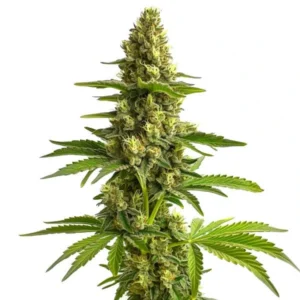
White Widow
 | THC | 18% - 25% (Medium) |
 | Type | Feminized |
 | Yield | High |
 | Phenotype | 45% Indica / 55% Sativa |

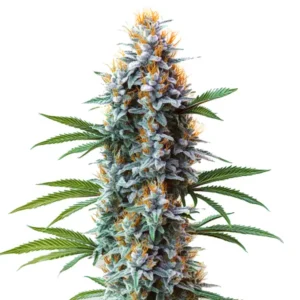
Pineapple Express
| | THC | 18% - 22% (Medium) |
| | Type | Feminized |
| | Yield | Medium |
| | Phenotype | 40% Indica / 60% Sativa |
A practical example is when a grower measures Brix in marijuana plants and finds low readings. This may suggest the plant isn’t photosynthesizing efficiently, prompting changes in care or nutrients. High Brix levels, conversely, often mean the plant is thriving and likely to yield better results.
How to Measure Brix in Marijuana Plants
Measuring Brix levels involves using a tool called a refractometer. This device measures the sugar content in the plant sap. To do this, growers extract a small sample of sap from the plant’s leaves or stems. The refractometer then reveals the Brix reading, indicating the sugar concentration.
It is crucial to measure Brix levels at different growth stages. This helps in tracking the plant’s development and adjusting care practices accordingly. Regularly checking these levels can help growers optimize the conditions for their plants, ensuring a healthier and more productive crop.
Knowing how to measure Brix in marijuana plants accurately can significantly enhance cultivation practices. By utilizing a refractometer, growers can gain insights into the plant’s nutritional status and make necessary adjustments. This proactive approach can prevent issues before they arise, leading to a more successful harvest.
Besides, knowing the Brix levels allows growers to tailor their nutrient and light schedules more precisely. This targeted care can maximize the plant’s potential and improve both yield and quality. Brix measurement in cannabis cultivation is thus an invaluable tool for achieving superior results.
Impact of Brix Levels on Cannabis Quality
The impact of Brix levels on cannabis quality is significant. A higher Brix reading typically means the plant is receiving adequate nutrients and sunlight. This results in better-tasting and more potent cannabis. For example, a strain like Bruce Banner 3 from Blimburn Seeds often shows improved quality with higher Brix levels.
Another aspect of high Brix levels is pest resistance. Plants with higher sugar content tend to be less appealing to pests. This natural defense mechanism means less need for pesticides, promoting a more organic and healthy growth cycle.
Moreover, the impact of Brix levels on cannabis quality extends to the visual appeal of the plant. Higher Brix levels can contribute to a more vibrant and lush appearance, making the buds more attractive to consumers. This aesthetic enhancement can be a significant selling point in competitive markets.
Besides, knowing the importance of Brix levels in cannabis allows growers to produce a more consistent product. By maintaining optimal Brix levels, growers can ensure that each harvest meets the desired standards for taste, aroma, and potency, reinforcing brand reputation and customer satisfaction.
Promos & Deals

Knowing Brix Readings for Cannabis Growers
Brix readings can sometimes be tricky for cannabis growers to interpret. Generally, a Brix level above 12 is considered good. However, this can vary depending on the strain and growing conditions. For instance, some indica strains may naturally have higher Brix levels than sativa strains.
When growers get a Brix reading below 12, it might indicate a need for better nutrition or light exposure. Adjusting the environment or feeding schedule can help improve these readings. Consistent monitoring allows growers to make timely adjustments, enhancing plant health and yield.
For cannabis growers, knowing Brix readings is key to successful cultivation. By regularly monitoring these levels, growers can detect early signs of stress or deficiencies, allowing for timely interventions. This proactive approach can significantly improve the overall health and yield of the crop.
Furthermore, knowing Brix readings for cannabis growers involves recognizing the nuances between different strains. Each strain, such as those offered by Blimburn Seeds, may have unique requirements and optimal Brix levels. Tailoring care practices to meet these specific needs can lead to superior quality and potency.
Practical Tips for Improving Brix Levels
Improving Brix levels is not just about adding sugar to the soil. It involves a holistic approach to plant care. First, ensure your plants receive adequate nutrients. A balanced feeding schedule with organic fertilizers can boost sugar production in plants.
Light plays a crucial role in photosynthesis, which directly affects Brix levels. Make sure your plants get enough light, whether natural or artificial. Adjust the lighting setup to enhance photosynthesis, particularly during critical growth phases.
Another practical tip for improving Brix levels is maintaining optimal soil health. Ensuring the soil is rich in organic matter and well-draining can support healthy root development, which is vital for nutrient uptake and sugar production.
Additionally, stress management is crucial. By minimizing stress factors such as extreme temperatures and humidity fluctuations, growers can support steady Brix levels. Implementing these practices can ensure that the plants remain healthy and productive throughout their growth cycle.

Common Misconceptions About Brix Levels
One common misconception is that Brix levels are only important for large-scale growers. In reality, even small-scale and hobbyist growers can benefit from tracking Brix levels. It provides valuable insights into plant health, helping growers optimize their practices for better results.
Another myth is that higher Brix levels always correlate with stronger cannabis. While higher sugar content can improve taste and aroma, potency is also influenced by genetics and other factors. It’s essential to consider Brix levels as part of a broader approach to cultivation.
A further misconception is that Brix levels are static and do not change. In truth, Brix levels can fluctuate throughout the plant’s lifecycle, influenced by factors such as light, water, and nutrient availability. Regular monitoring is essential for capturing these changes and adjusting care practices accordingly.
Additionally, some growers mistakenly believe that increasing Brix levels is a quick fix. However, achieving and maintaining optimal Brix levels requires consistent effort and attention to detail. By knowing the complexities of Brix measurement cannabis cultivation, growers can develop more effective strategies for plant care.
FAQs about What Are Brix Levels in Cannabis?
What tools do I need to measure Brix levels?
To measure Brix levels, you’ll need a refractometer. This is a small, handheld device that measures the sugar content in plant sap. It’s affordable and easy to use, making it accessible for both beginner and experienced growers.
Using a refractometer involves placing a drop of sap on the device’s lens. Then, you simply look through the eyepiece to read the Brix level. It’s a straightforward process that can provide valuable insights into your cannabis plants’ health.
For those new to the process, it might be helpful to watch a few tutorials on how to measure Brix in marijuana plants. These can provide visual guidance and tips to ensure accurate readings. With practice, using a refractometer can become a simple and routine part of your cultivation process.
Additionally, it’s beneficial to record Brix readings over time. Keeping a log can help track changes and identify patterns, providing a comprehensive view of the plant’s health and development. This data-driven approach ensures more informed decision-making in cultivation practices.
Can Brix levels affect the taste of cannabis?
Yes, Brix levels can significantly impact the taste of cannabis. Higher Brix levels usually mean more sugars and nutrients in the plant, leading to richer flavors. This is why many growers strive to maintain high Brix levels.
For instance, a strain like White Widow from Blimburn Seeds can taste more robust and aromatic with optimal Brix levels. By focusing on improving Brix levels, growers can enhance both the taste and overall quality of their cannabis.
Beyond taste, the aroma of cannabis can also be influenced by Brix levels. A higher sugar content can enhance the plant’s natural scents, making it more appealing to consumers. This aromatic quality can be a significant factor in the marketability of cannabis products.
Furthermore, the overall smoking experience can be improved with higher Brix levels. The enhanced flavors and aromas contribute to a more satisfying and enjoyable product, which can be a key differentiator in a competitive market.
Is it possible to have too high Brix levels?
While high Brix levels are generally a sign of a healthy plant, excessively high readings could indicate nutrient imbalances. It’s essential to maintain a balanced approach to feeding and care practices.
If you notice unusually high Brix levels, consider evaluating your nutrient regimen. Adjusting your feeding schedule and ensuring proper light exposure can help maintain balanced Brix levels, promoting overall plant health.
Excessively high Brix levels might also signal issues with water uptake or environmental stress. It’s crucial to assess all aspects of the growing conditions to ensure that the plant is not experiencing undue stress that could impact its development.
By knowing the complexities of Brix measurement cannabis cultivation, growers can achieve a delicate balance that supports optimal plant health without overloading the system. This balanced approach ensures that the plants thrive and produce high-quality buds.
Do all cannabis strains have the same ideal Brix levels?
No, ideal Brix levels can vary between different cannabis strains. Factors like genetics, growing conditions, and strain type can influence the optimal Brix level for a plant.
For instance, sativa strains might have different Brix requirements compared to indica strains. It’s essential to understand the specific needs of your chosen strain, such as Pineapple Express from Blimburn Seeds, to optimize Brix levels accordingly.
The diversity in cannabis strains means that growers need to tailor their cultivation practices to each plant’s unique requirements. Knowing these differences can lead to more effective care and superior results.
Additionally, environmental factors such as climate and soil type can also influence the ideal Brix levels for different strains. By considering these variables, growers can refine their strategies to suit the specific needs of their plants, leading to healthier growth and better yields.
How often should I check Brix levels in my cannabis plants?
Regular monitoring of Brix levels is recommended throughout the cannabis growth cycle. Checking every couple of weeks can help track plant health and development, allowing for timely adjustments as needed.
Frequent Brix readings can also help identify any issues early, such as nutrient deficiencies or lighting problems. By staying proactive, you can ensure your cannabis plants grow healthy and produce high-quality buds.
For optimal results, consider integrating Brix level checks into your regular cultivation routine. This consistent monitoring allows for a comprehensive knowing of your plants’ needs and supports more informed decision-making.
Additionally, tracking Brix levels over time can provide valuable insights into the effects of different cultivation techniques. This data-driven approach can help refine practices and lead to continuous improvement in plant care and yield.