Expert Guide: Proven Cannabis Nutrient Management with Sap & Tissue Testing

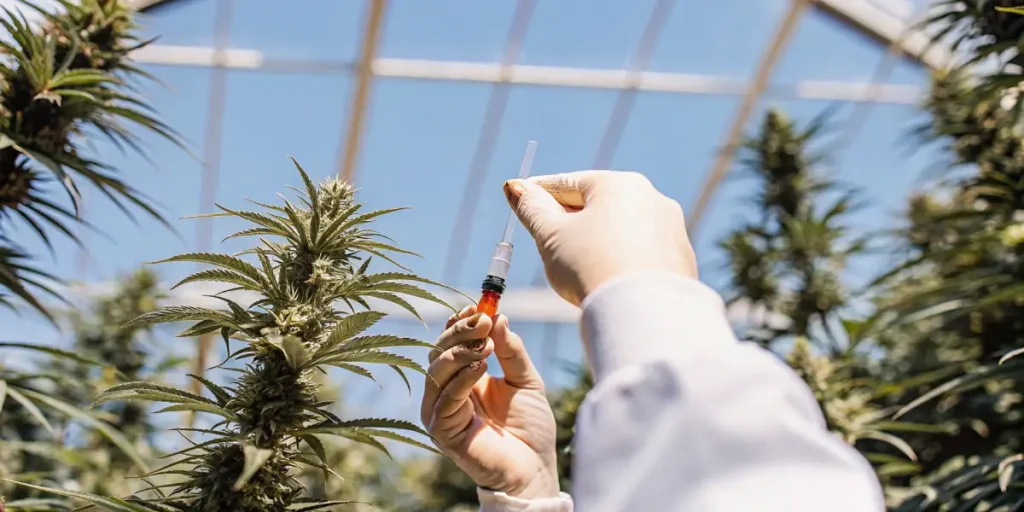
Cannabis nutrient management with sap and tissue testing has revolutionized how growers approach feeding their plants. Using these advanced techniques, both novices and experienced growers can optimize their plants’ health and yield. By carefully analyzing the sap and tissues of cannabis plants, one can gain insights into nutrient uptake and make precise adjustments that lead to robust growth.
Unlike traditional methods, sap and tissue testing provides real-time data. Imagine you’re growing a strain like Purple Kush from Blimburn Seeds. Sap testing can reveal nutrient imbalances before visible symptoms appear, allowing for timely interventions. This proactive approach helps in preventing deficiencies and excesses, ensuring your plants thrive.
Recommended Strains

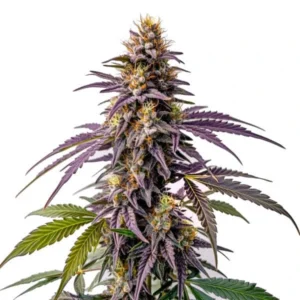
Purple Kush
 | THC | 17% - 27% (Medium) |
 | Type | Feminized |
 | Yield | Medium |
 | Phenotype | 30% Indica / 70% Sativa |

Girl Scout Cookies
| | THC | 18% - 25% (Medium) |
| | Type | Feminized |
| | Yield | High |
| | Phenotype | 60% Indica / 40% Sativa |
Incorporating sap and tissue testing into your routine not only enhances plant health but also boosts yield. For instance, sap analysis can fine-tune nutrient delivery for a strain like Girl Scout Cookies, ensuring it reaches its full potential. Tissue testing complements this by confirming that adjustments made are effective, creating a feedback loop of continuous improvement.
The Basics of Sap and Tissue Testing
Sap testing involves extracting the liquid from the plant’s vascular system. Think of it like a blood test for your cannabis plants. It measures nutrient levels directly from the sap, offering a snapshot of what the plant is currently absorbing. This data helps you adjust feeding schedules and nutrient mixes.
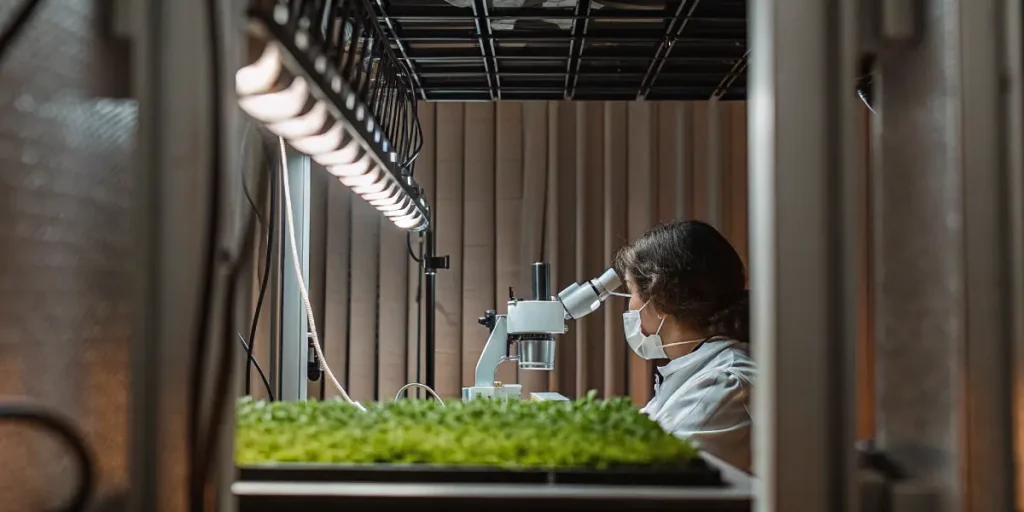
Tissue testing, on the other hand, involves analyzing the plant’s leaves or other parts. It provides insights into the nutrients that have been successfully transported and utilized by the plant. Together, these tests provide a comprehensive overview of the plant’s nutrient status, enabling fine-tuning of the growth conditions.
Knowing the distinct roles of sap and tissue testing is crucial for effective cannabis nutrient management with sap and tissue testing. While sap testing offers immediate insights into nutrient uptake, tissue testing provides a broader picture of nutrient assimilation over time. This dual approach ensures that each plant gets precisely what it needs for optimal growth.
In advanced cannabis cultivation with nutrient testing, the combination of these methods can lead to more targeted interventions. By identifying specific nutrient deficiencies or excesses, growers can adjust their strategies to enhance cannabis yield with sap and tissue nutrient management. This reduces waste and ensures that plants develop to their maximum potential.
Benefits of Cannabis Nutrient Management with Sap and Tissue Testing
Utilizing cannabis nutrient management techniques using sap analysis offers numerous benefits. First, it allows growers to detect nutrient imbalances at an early stage, reducing the risk of poor growth or plant stress. For example, if you’re growing Blue Dream from Blimburn Seeds, sap analysis can help you catch a nitrogen deficiency before it stunts growth.
Another advantage is optimizing cannabis growth through tissue testing. By knowing what nutrients the plant has absorbed over time, you can make informed decisions on adjusting your nutrient solution. This precision leads to healthier plants and can ultimately enhance cannabis yield with sap and tissue nutrient management.
Cannabis nutrient management with sap and tissue testing also contributes to environmental sustainability. By accurately determining nutrient needs, growers can minimize the overuse of fertilizers, which not only saves resources but also reduces runoff that can harm local ecosystems. This method promotes a more eco-friendly approach to cannabis cultivation.
Moreover, the precision offered by sap and tissue testing for cannabis nutrient balance means that growers can consistently produce high-quality cannabis. By maintaining optimal nutrient levels, plants develop with enhanced terpene profiles and cannabinoid concentrations, resulting in superior flavor and potency, which are highly sought after in the market.
Promos & Deals



How to Implement Sap and Tissue Testing
To start, gather the necessary tools for sap and tissue testing. You’ll need a sap extractor, which is a simple device to draw sap from petioles or stems. For tissue testing, scissors and plastic bags will do the trick. Ensure you label samples accurately for correct analysis.
Next, take regular samples throughout the growth cycle. This could mean weekly tests, especially during critical growth phases. For instance, while growing a strain like Gorilla Glue #4, regular monitoring ensures the nutrient balance is maintained, leading to stronger plants.
Implementing sap and tissue testing requires a structured approach to sampling and analysis. Consistently selecting representative plant parts ensures that the data collected reflects the true nutrient status of your crops. This consistency is key to knowing how adjustments in nutrient management affect plant health and yield.
Once you have established a regular testing routine, utilize the data to refine your nutrient application strategy. Advanced cannabis cultivation with nutrient testing allows for precise adjustments, leading to more robust growth and increased yields. This strategic approach is essential for maximizing the genetic potential of strains like those from Blimburn Seeds.

Practical Steps for Effective Testing
Begin by selecting healthy, representative sections of your plants for testing. This means choosing leaves or stems that are not damaged or diseased. Consistency in your sampling method is key to obtaining reliable data.
Once you have your samples, send them to a reputable lab for analysis. These labs will provide detailed reports on nutrient levels, allowing you to make informed adjustments. Use this data to refine your feeding strategy, ensuring the plants receive what they need when they need it.
When selecting samples, ensure you pick from various parts of the plant to get a comprehensive view of nutrient distribution. This holistic approach helps in identifying any localized deficiencies or toxicities that might not be evident from a single sample, thereby enhancing cannabis yield with sap and tissue nutrient management.
After receiving the lab results, it’s crucial to act on the insights provided. Adjust your nutrient inputs accordingly and monitor the plants closely for changes in growth patterns. This proactive approach is at the heart of optimizing cannabis growth through tissue testing and can lead to significant improvements in plant health and production.
Common Challenges and Solutions
One common issue is the misinterpretation of results. Without a solid knowing of nutrient interactions, it’s easy to make incorrect adjustments. Collaborate with experts or use resources from Blimburn Seeds to guide your decisions.
Another challenge is the cost of testing. While it may seem like an added expense, the benefits often outweigh the costs. Increased yield and quality can lead to higher profits, justifying the investment in accurate nutrient management.
Overcoming challenges in cannabis nutrient management with sap and tissue testing often requires patience and education. Investing time in knowing the scientific principles behind nutrient interactions can significantly improve decision-making. This knowledge empowers growers to make precise adjustments that enhance overall plant performance.
Additionally, developing a streamlined process for sample collection and analysis can mitigate logistical hurdles. By establishing relationships with reliable testing labs and ensuring prompt sample handling, growers can reduce errors and improve the accuracy of their nutrient management strategies, ultimately enhancing cannabis yield with sap and tissue nutrient management.
Overcoming Hurdles in Nutrient Testing
Logistical issues such as sample handling can also pose challenges. Ensure samples are kept cool and sent quickly to the lab. Delays can alter the chemical composition, leading to inaccurate results.
Some growers may face resistance from traditional methods. It’s important to highlight the advantages of sap and tissue testing, such as precise nutrient management and improved plant health. Sharing success stories from Blimburn Seeds strains can help convince skeptics.
For growers new to sap and tissue testing, overcoming initial resistance may require showcasing tangible results. Demonstrations of improved plant health and increased yields can be compelling evidence of the benefits of these advanced cannabis cultivation techniques. Engaging with a community of growers can also provide valuable support and insights.
Furthermore, staying updated with the latest advancements in cannabis nutrient management techniques using sap analysis can provide a competitive edge. As new technologies and methodologies emerge, growers who embrace these innovations can achieve even greater precision and efficiency in their cultivation practices.
FAQs about Cannabis nutrient management with sap and tissue testing
What is the difference between sap and tissue testing in cannabis cultivation?
Sap testing provides a real-time assessment of the nutrients currently being absorbed by the plant, akin to checking the efficiency of the plant’s nutrient uptake in the present moment. It involves extracting and analyzing the liquid content from the plant’s vascular system.
In contrast, tissue testing offers a historical perspective, showing what nutrients have been stored and utilized by the plant over time. It involves analyzing the physical plant material, such as leaves, to understand nutrient translocation and assimilation.
Both sap and tissue testing play complementary roles in cannabis nutrient management with sap and tissue testing. While sap testing allows for immediate corrective actions, tissue testing provides a comprehensive view of nutrient trends, helping to inform long-term nutrient management strategies.
This dual testing approach is particularly beneficial for optimizing cannabis growth through tissue testing. By knowing both the current and historical nutrient status of plants, growers can make more informed decisions that enhance overall plant health and productivity.
How can sap and tissue testing improve cannabis yields?
By providing detailed insights into nutrient levels, sap and tissue testing enable precise nutrient management, which optimizes plant health and growth. This precision helps prevent common issues like nutrient deficiencies or toxicities that can hinder yield.
For instance, timely adjustments based on sap and tissue testing results can ensure a strain like Girl Scout Cookies from Blimburn Seeds develops robustly, maximizing its genetic potential for high yields and quality.
Enhancing cannabis yield with sap and tissue nutrient management is achievable through the precise adjustments informed by consistent testing. As growers become adept at interpreting test results, they can tailor nutrient regimens to the specific needs of each plant, promoting vigorous growth and abundant flowering.
Moreover, by preventing nutrient-related stressors, sap and tissue testing for cannabis nutrient balance contributes to producing a more consistent and high-quality harvest. This reliability is crucial for maintaining market competitiveness and meeting consumer expectations for premium cannabis products.
Are there any strains that particularly benefit from nutrient testing?
While all strains can benefit from nutrient testing, those with specific nutrient demands, such as Purple Kush, may show more noticeable improvements. These strains often require careful nutrient balance to achieve their characteristic potency and flavor profiles.
Regular testing helps ensure these strains receive the optimal nutrient levels throughout their growth cycle, preventing issues that could compromise their quality and yield.
Strains with unique nutritional needs or those known for their sensitivity to nutrient fluctuations can greatly benefit from cannabis nutrient management techniques using sap analysis. By continuously adjusting nutrient inputs based on real-time data, growers can cater to the specific requirements of these strains, such as those offered by Blimburn Seeds.
Furthermore, high-value strains that demand a precise flavor and potency profile, like Blue Dream, can achieve their full potential when nutrient management is finely tuned. The ability to tailor the nutrient environment to the plant’s genetic predispositions can result in exceptional crops that stand out in the market.
How often should sap and tissue testing be conducted?
Frequency depends on the growth stage and specific strain demands. However, conducting tests every 1-2 weeks is generally recommended, especially during critical growth phases like vegetative and flowering stages.
This regularity ensures any nutrient imbalances are quickly identified and corrected, helping strains like Blue Dream maintain consistent growth and development.
Establishing a regular testing schedule is key to effective cannabis nutrient management with sap and tissue testing. This consistent monitoring allows growers to track nutrient changes over time and respond promptly to any imbalances, ensuring that plants are always in optimal health.
By adhering to a systematic testing routine, growers can better anticipate the nutritional needs of their plants and plan nutrient applications accordingly. This proactive approach not only supports robust growth but also minimizes the risk of nutrient-related issues that could impact yield and quality.
Is sap and tissue testing suitable for first-time growers?
While it may seem complex, sap and tissue testing is highly beneficial even for first-time growers. It provides clear guidance on nutrient management, reducing the trial-and-error process commonly faced by beginners.
By leveraging these techniques, new growers can achieve impressive results, ensuring their plants receive the right nutrients at the right time, leading to healthier and more productive cannabis crops.
For first-time growers, incorporating advanced cannabis cultivation with nutrient testing into their practices can be a game-changer. While the initial learning curve may seem steep, access to detailed nutrient data can simplify the cultivation process and significantly enhance outcomes.
By embracing sap and tissue testing early on, novice growers can avoid common pitfalls associated with nutrient management. This strategic approach not only boosts confidence but also sets the foundation for successful and sustainable cannabis cultivation practices.