Expert Guide: Hydroponic vs Soil Cannabis Grow for Best Results

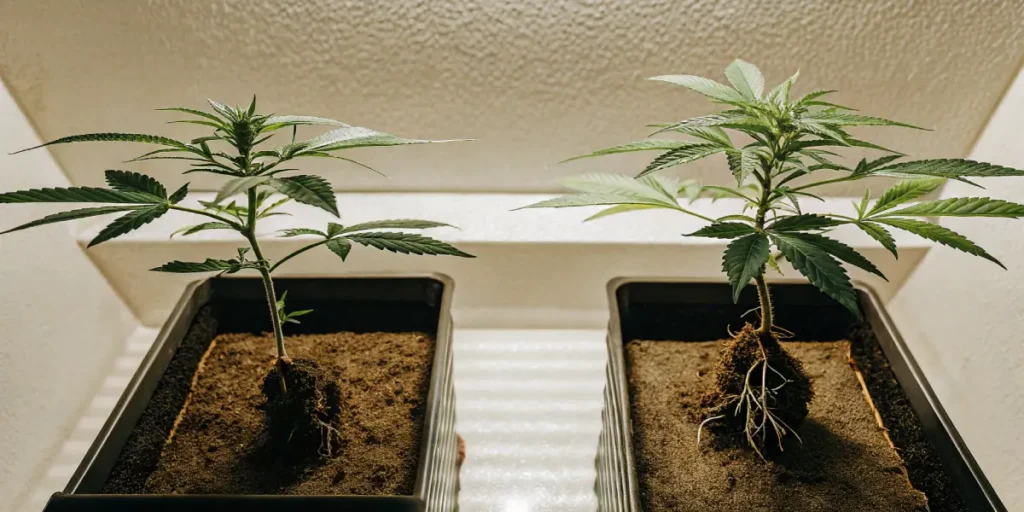
Choosing between hydroponic and soil methods for growing cannabis is a decision many growers face. Each method offers unique advantages and challenges, making the choice dependent on your goals and resources. Whether you’re a novice or a seasoned cultivator, knowing the nuances of hydroponic vs soil cannabis grow can significantly impact your harvest quality and yield.
Soil-based growing is the traditional route and offers a natural environment for cannabis plants. It’s often favored for its ease of use and the rich, earthy flavors it imparts to the final product. On the other hand, hydroponic systems provide a controlled environment that can lead to faster growth rates and potentially higher yields. However, they require more technical know-how and upfront investment.
Recommended Strains
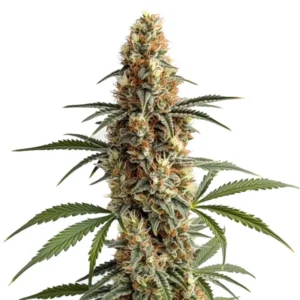
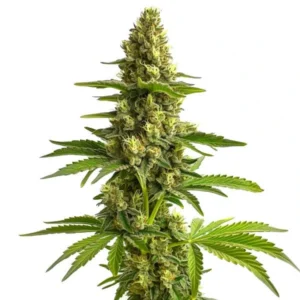
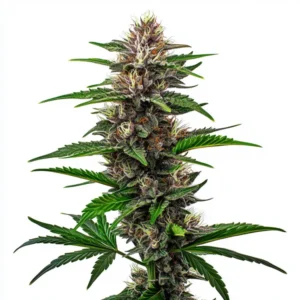
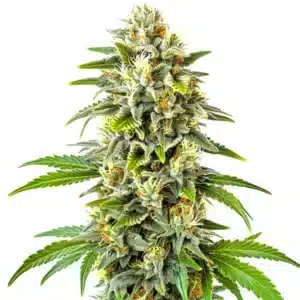
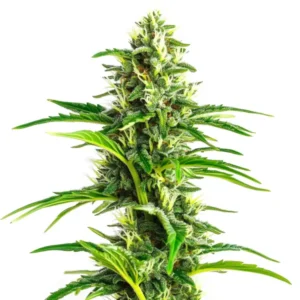
Mamba Negra
 | THC | 18% (Medium) |
 | Type | Feminized |
 | Yield | High |
 | Phenotype | 55% Indica / 45% Sativa |

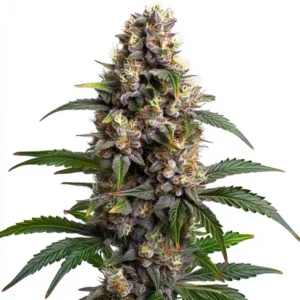
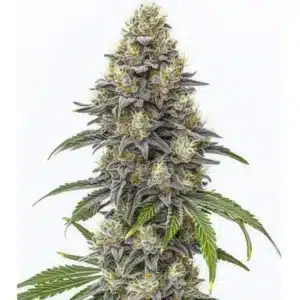
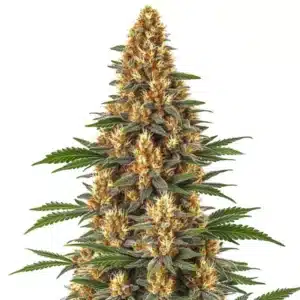
Tangie
| | THC | 19% - 22% (Medium) |
| | Type | Feminized |
| | Yield | High |
| | Phenotype | 30% Indica / 70% Sativa |
For those considering which path to take, it’s helpful to weigh the pros and cons of both systems. By doing so, you can align your growing method with your desired outcomes, whether that’s maximizing yield, enhancing flavor, or optimizing cost efficiency. Let’s delve deeper into the specifics of each method to help guide your decision.
Growing Cannabis in Soil
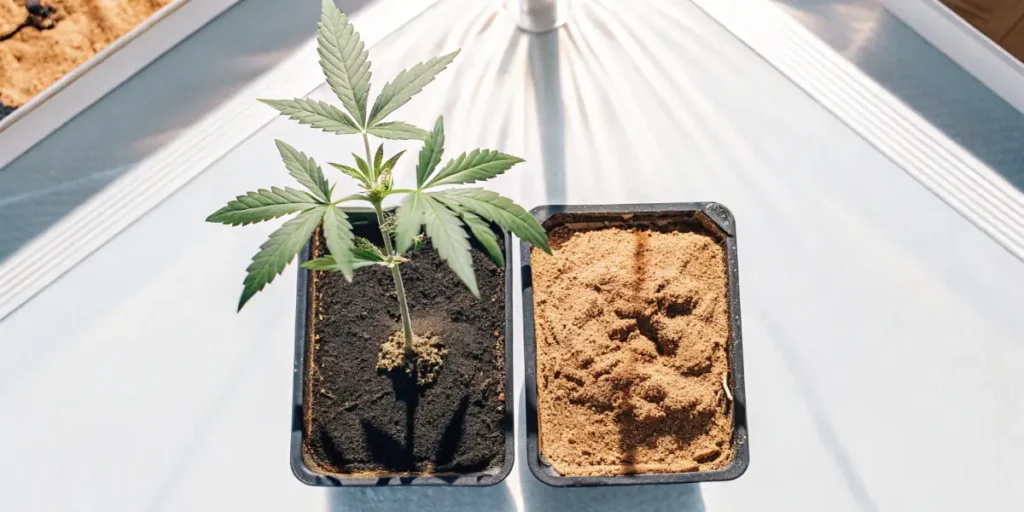
Soil growing is the most widely practiced method among cannabis cultivators. It mimics the natural environment in which cannabis plants thrive. The soil contains essential nutrients and beneficial microorganisms that promote healthy plant growth. This method is often appreciated for its simplicity and the organic benefits it offers.
One of the most significant advantages of soil cannabis grow is its ability to enhance flavor. The rich, earthy taste that many cannabis connoisseurs appreciate is often attributed to soil cultivation. Strains like the Mamba Negra from Blimburn Seeds are known to develop complex flavors when grown in soil, making this method appealing to those who prioritize taste.
Another advantage of soil cannabis grow is its cost-effectiveness in the initial stages. With fewer requirements for technical equipment and resources, soil cultivation is accessible to almost anyone interested in cannabis growing. Additionally, the soil cannabis grow organic benefits are apparent in the natural resilience of plants, often leading to a more sustainable cultivation process.
Moreover, soil provides a buffer that allows for minor mistakes in nutrient delivery, making it forgiving for beginners. The natural buffering capacity of soil can help mitigate issues like pH fluctuations, which could otherwise affect plant health. This aspect of soil growing aligns with the organic principles that many cultivators strive to maintain in their practices.
Promos & Deals
Hydroponic Cannabis Growing
Hydroponic systems offer a modern approach to cannabis cultivation by allowing plants to grow in a nutrient-rich water solution. This method eliminates the need for soil, providing a cleaner and more controlled growing environment. The results often include accelerated growth rates and higher yields, a significant advantage in the hydroponic cannabis yield comparison.
Despite the initial setup costs, hydroponic systems can be cost-efficient in the long run. They use less water than traditional soil methods and allow for precise control over nutrient delivery. The faster growth cycles also mean more harvests in a year, which can offset initial expenses.
Hydroponic growing also allows for more precise control over environmental factors such as light, temperature, and humidity, further optimizing the growth conditions. This level of control is beneficial for those aiming to fine-tune their hydroponic vs soil cannabis growth rate to achieve the best possible results in terms of both speed and yield.
Besides, hydroponic systems are less prone to pest and disease issues, since they do not use soil, which can harbor various pathogens. This advantage contributes to the overall hydroponic cannabis cost efficiency by reducing the need for pesticides and other treatments, thereby minimizing additional costs and labor.
Comparing Growth Rates and Yields
When evaluating hydroponic vs soil cannabis growth rate, hydroponics often comes out on top. The controlled environment allows for optimal nutrient absorption and faster plant development. For instance, Blimburn Seeds Bruce Banner #3 strain can reach maturity quicker in a hydroponic setup compared to soil.
Yields are another critical factor to consider. Hydroponic systems typically produce higher yields due to the optimized growing conditions. However, soil-grown cannabis can also yield significantly, especially when using organic growing techniques that enhance plant health and resilience.
Hydroponic systems benefit from the ability to maximize space and resources, often leading to increased productivity per square foot. This efficiency in space utilization is a notable factor in the hydroponic cannabis yield comparison, making it appealing for those with limited growing areas.
Conversely, soil cultivation, while potentially producing lower yields per cycle, can result in plants that are more robust and better adapted to outdoor conditions. This robustness may be attributed to the natural interactions within the soil ecosystem, which enhance plant resilience over time, offering a different set of benefits in the overall hydroponic vs soil cannabis grow debate.
Evaluating Flavor Profiles
When it comes to soil vs hydroponic cannabis flavor, the consensus is that soil-grown cannabis often has a richer and more complex taste. This is because soil contains various organic compounds that contribute to the plant’s terpene profile, which directly influences flavor.
Strains like the Tangie from Blimburn Seeds are renowned for their citrusy aroma and flavor, which can be more pronounced when grown in soil. The natural environment allows for the full expression of the plant’s genetic potential, resulting in a superior taste experience.
In contrast, hydroponically grown cannabis, while potentially less flavorful, provides a product that is often praised for its purity and potency. The minimized presence of soil-borne contaminants is a significant factor in this, appealing to those who prioritize a clean and strong effect in their cannabis consumption.
Moreover, the hydroponic method facilitates the creation of a consistent product, as the controlled conditions allow for the replication of results across multiple harvests. This consistency can be beneficial for growers looking to maintain a steady product line, even if it means sacrificing some of the complex flavors that soil cultivation can provide.
Cost Efficiency Considerations
The hydroponic cannabis cost efficiency is a topic of interest for many growers. Although the initial setup can be more expensive due to the need for specialized equipment, the long-term savings and increased yields can justify the investment. When comparing a hydroponic vs soil cannabis grow, many cultivators find that hydroponic systems offer faster growth and more precise nutrient control, which further contributes to their overall cost-effectiveness.
Hydroponic systems require precise control and monitoring, which can reduce resource waste. Additionally, the ability to grow multiple crops per year can increase overall productivity, making it a financially attractive option for commercial growers.
However, the complexity of hydroponic systems should not be underestimated. The requirement for constant monitoring and potential technical issues can add to operational costs if not managed properly, impacting the overall hydroponic cannabis cost efficiency.
On the other hand, soil cultivation requires fewer technological investments and can rely more on natural cycles and processes. This can result in lower operational costs over time, particularly for those interested in organic or small-scale cultivation, where sustainability and minimal environmental impact are key considerations.
FAQs about hydroponic vs soil cannabis grow
What are the main differences in growth rate between hydroponic and soil cannabis grows?
Hydroponic systems typically offer faster growth rates due to the controlled environment and optimized nutrient delivery. Plants can absorb nutrients more efficiently, leading to quicker development and earlier harvests. This is especially beneficial for growers looking to maximize their production cycles each year.
Soil-grown cannabis, while slower to mature, benefits from a more natural growth process. The presence of microorganisms in the soil can enhance root development and overall plant health over time. While it might take longer to reach harvest, the end result can often be a more robust plant.
The hydroponic vs soil cannabis growth rate difference is more pronounced in strains that respond well to accelerated nutrient uptake, such as those offered by Blimburn Seeds. These strains can capitalize on the faster nutrient delivery systems available in hydroponics, reaching their full potential sooner than in soil.
Moreover, the longer maturation period of soil-grown cannabis can sometimes allow for the development of more complex terpene profiles, enriching the final product’s aroma and flavor. This slower growth can be seen as an opportunity to enhance certain desirable traits that are less emphasized in hydroponic setups.
How do soil and hydroponic methods affect cannabis flavor?
Soil cultivation is often praised for producing cannabis with richer and more complex flavors. The organic compounds present in soil contribute to the plant’s terpene profile, resulting in a more pronounced taste. Strains like the Tangie from Blimburn Seeds benefit greatly from soil cultivation in terms of flavor.
Hydroponic methods, although sometimes resulting in a less intense flavor profile, provide a cleaner and more potent product. The absence of soil reduces the risk of contaminants, which can enhance the purity and potency of the cannabis. This makes hydroponics a preferred choice for those looking to prioritize potency.
The soil vs hydroponic cannabis flavor debate often centers around the depth and variety of taste profiles achievable through natural soil cultivation. Enthusiasts of soil-grown cannabis often cite the intricate balance of flavors as a key reason for their preference, attributing this complexity to the diverse interactions within the soil.
Meanwhile, hydroponic growers can focus on optimizing potency and purity, which are attractive qualities for those seeking a strong and consistent product. The streamlined nutrient delivery and environmental control in hydroponic systems can result in cannabis that, while possibly less flavorful, offers a high degree of reliability and effectiveness.
Is hydroponic growing more cost-efficient than soil growing?
While hydroponic systems require a higher initial investment in terms of equipment and setup, they can be more cost-efficient over time. The ability to control resources precisely reduces waste, and the faster growth cycles can lead to more frequent harvests, offsetting the initial costs.
Soil growing involves lower startup costs and is less technical, making it accessible for beginners. However, the potential for lower yields and slower growth can impact overall cost efficiency. The choice between hydroponics and soil ultimately depends on your financial goals and available resources.
The ongoing debate around hydroponic cannabis cost efficiency often highlights the potential for higher profitability in commercial settings. With the ability to produce more cycles per year, hydroponics can lead to increased market presence and sales volume, justifying the upfront costs for large-scale operations.
Conversely, soil cultivation may offer greater cost benefits in terms of labor and operational simplicity, particularly for those who embrace a sustainable, low-input farming approach. The reduced need for technological intervention and reliance on natural soil processes can make soil growing an attractive option for eco-conscious cultivators.
Which method is better for beginners: hydroponic or soil?
For beginners, soil growing is often recommended due to its simplicity and forgiving nature. It requires less technical knowledge and is more adaptable to varying environmental conditions. New growers can learn the basics of cannabis cultivation without needing to manage complex systems.
Hydroponic growing can be more challenging for novices, as it requires careful monitoring and precise control over the growing environment. However, for those willing to invest the time to learn, hydroponic setups can offer rewarding results in terms of yield and growth speed.
The forgiving nature of soil cannabis grow is particularly beneficial for beginners, as it allows them to focus on knowing plant biology and growth cycles without the added pressure of managing intricate systems. This learning phase can lay the foundation for more advanced cultivation techniques in the future.
On the other hand, aspiring growers who are technologically inclined may find the challenge of mastering hydroponic systems to be a rewarding experience. The skills gained from managing hydroponics can open up opportunities to experiment with different nutrient formulations and environmental controls, ultimately leading to a deeper knowing of plant cultivation.
What are the organic benefits of soil cannabis growing?
Soil cannabis grows offer numerous organic benefits, including a natural ecosystem that supports beneficial microorganisms. These microorganisms aid in nutrient absorption and contribute to the overall health and resilience of the plant. This organic approach often translates to a more natural product.
Additionally, soil-grown cannabis tends to have a more complex flavor profile, enriched by the organic compounds present in the soil. For those who value natural growing methods and the unique flavors they produce, soil cultivation is an excellent choice.
The soil cannabis grow organic benefits extend to the environmental sustainability of the cultivation process. By utilizing natural soil ecosystems, growers can reduce their reliance on synthetic inputs, promoting a more balanced and eco-friendly approach to cannabis production.
Furthermore, the use of compost and other organic amendments in soil cultivation can enhance soil fertility over time, leading to healthier plants and more productive growing seasons. This approach not only benefits the immediate crop but also contributes to the long-term viability of the cultivation site, aligning with sustainable agricultural practices.