Expert Guide: How to Measure Brix in Marijuana Plants Easily

Many cannabis growers are turning to Brix measurement to assess the quality of their plants. Brix levels indicate the sugar content in plant sap, offering insight into the health and potential yield of your marijuana crops. Knowing how to measure Brix in marijuana plants can significantly impact your cultivation success.
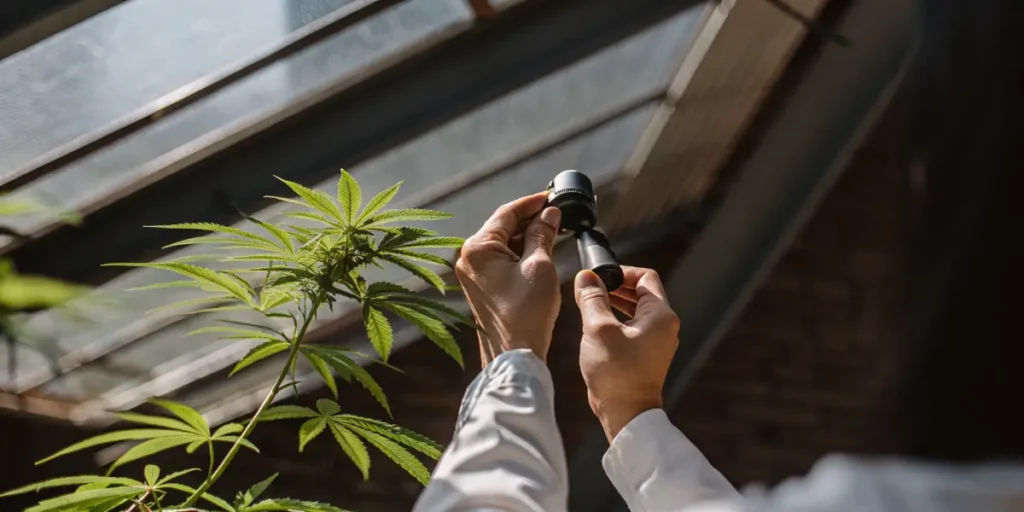
Using a refractometer is the main method for measuring Brix levels. This tool helps growers determine the sugar concentration in their plants, giving a clear picture of plant health. By checking Brix regularly, you can make informed decisions about your cultivation practices and improve your results.
Recommended Strains

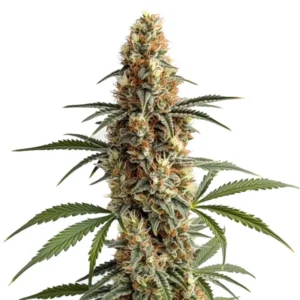
Bruce Banner #3
 | THC | 20% - 29% (High) |
 | Type | Feminized |
 | Yield | Medium |
 | Phenotype | 50% Indica / 50% Sativa |
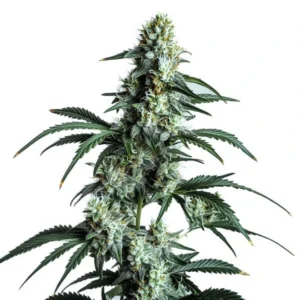
Sour Diesel
| | THC | 22% - 25% (Medium) |
| | Type | Feminized |
| | Yield | High |
| | Phenotype | 30% Indica / 70% Sativa |
For those growing strains like the potent Bruce Banner 3 from Blimburn Seeds, knowing Brix levels can enhance the quality and potency of your yield. With this guide, you’ll learn how to use a refractometer for Brix in cannabis and the significance of sugar levels in marijuana plants.
What is Brix and Why It Matters
Brix is a measurement of the sugar content in an aqueous solution. In the context of cannabis, it relates to the sugar levels in the plant sap. This is crucial because higher sugar content often correlates with healthier plants and higher quality buds.
Growers who aim to produce premium cannabis strains, such as the flavorful Sour Diesel from Blimburn Seeds, can benefit from monitoring Brix levels. When Brix levels are optimal, it usually indicates that the plant is photosynthesizing efficiently and has good nutrient uptake.
Knowing how to measure Brix in marijuana plants allows growers to monitor the efficiency of photosynthesis, as high Brix levels typically reflect robust photosynthetic activity. This insight is invaluable when fine-tuning growing conditions to maximize plant health and yield. Measuring sugar levels in marijuana plants also provides a snapshot of how well your plants are utilizing available nutrients.
Additionally, Brix levels can serve as an early warning system for potential issues. For instance, a sudden drop could indicate environmental stress or nutrient deficiencies, prompting timely interventions. By paying close attention to Brix, growers can maintain optimal conditions that foster vigorous growth and improve the overall quality of their cannabis plants.
Promos & Deals


Tools for Measuring Brix in Weed
To measure Brix in marijuana plants, you will need a refractometer. This simple tool is essential for any serious grower looking to optimize their cannabis cultivation. Refractometers are available in both analog and digital forms.
Analog refractometers are affordable and straightforward. They require you to look through an eyepiece to read the Brix levels. Digital refractometers, although more expensive, offer ease of use and precision. They display the Brix reading on a digital screen, minimizing human error.
Choosing the right tools for measuring Brix in weed is crucial for obtaining accurate readings. While digital refractometers offer convenience with their easy-to-read displays, analog models are often preferred for their simplicity and durability. Whichever type you choose, ensure it is calibrated correctly to avoid discrepancies in your measurements.
Maintaining your refractometer is also important for accuracy. Regularly clean the device and follow the manufacturer’s maintenance guidelines. Proper care of your tools will not only extend their lifespan but also ensure that you get consistent and reliable data to guide your cultivation practices.
How to Use a Refractometer for Brix in Cannabis
Using a refractometer to measure Brix is straightforward. First, extract a small amount of sap from your marijuana plant. This is typically done by crushing a small leaf or stem. A garlic press or similar tool can be useful for this task.
Next, place a drop of the extracted sap onto the refractometer’s glass plate. Close the plate cover to spread the sap evenly across the surface. Then, look through the eyepiece if you’re using an analog refractometer, or simply read the digital display if you have a digital one.
Knowing how to use a refractometer for Brix in cannabis can enhance your ability to make informed decisions about plant care. The refractometer provides a quick and efficient way to assess the health of your plants, allowing you to adjust your practices for optimal results. Regularly measuring sugar levels in marijuana plants is an integral part of maintaining high-quality crops.
To achieve consistent results, always ensure that your refractometer is calibrated before use. This is particularly important if you switch between measuring different plants or strains. Familiarizing yourself with the calibration process will help you avoid errors and get the most accurate readings possible.
Improving Brix Levels in Cannabis Cultivation
Several factors can influence Brix levels in your cannabis plants. Nutrition is a primary factor. Ensuring your plants receive a balanced diet rich in essential nutrients can help boost their sugar levels.
Environmental conditions also play a role. Adequate sunlight, proper watering, and well-maintained soil contribute to higher Brix readings. Monitoring these aspects can lead to healthier plants and more potent buds.
Improving Brix in marijuana plants involves a holistic approach to plant care. Start by evaluating your nutrient regimen, ensuring it includes all necessary elements for robust growth. Balanced fertilization enhances the plant’s ability to perform photosynthesis efficiently, thereby increasing sugar content.
Besides to nutrition, stress management is key to maintaining high Brix levels. Minimize environmental stressors such as temperature fluctuations and pest infestations. By creating a stable and nurturing environment, your plants can thrive, resulting in higher Brix levels and improved yields.
FAQs about How to Measure Brix in Marijuana Plants
What is a good Brix level for marijuana plants?
Generally, a Brix level of 12 or higher is considered good for marijuana plants. Levels below this may indicate that your plants are not absorbing enough nutrients or that environmental conditions need adjustment. Consistently checking Brix levels helps ensure your plants are growing optimally.
Higher Brix levels often correlate with more robust plants that can produce higher yields. If you’re aiming for quality, especially with premium strains like those from Blimburn Seeds, maintaining high Brix levels is essential.
Knowing what constitutes a good Brix level can guide your growing practices. While 12 or higher is a general benchmark, some strains may have unique requirements based on their genetic makeup. Familiarize yourself with the specific needs of your chosen varieties to achieve the best possible results.
Consistent Brix measurement is a proactive approach to plant health. By regularly assessing Brix levels, you can detect potential issues early and make necessary adjustments. This strategy helps maintain the vitality of your plants and supports successful cannabis cultivation.
How often should I measure Brix in marijuana plants?
It’s a good practice to measure Brix levels at least once a week. Regular monitoring allows you to track changes and make necessary adjustments promptly. This is especially important during the flowering phase when plants are developing buds.
Frequent Brix checks can provide insights into how well your plants are responding to their growing conditions and nutrient regimen. By staying proactive, you can ensure your cannabis plants are on the right path to a successful harvest.
Measuring Brix in cannabis cultivation at regular intervals offers a wealth of information about your plants’ health. Weekly checks are ideal for spotting trends and making timely adjustments to your cultivation practices. This routine can lead to improved plant vitality and higher yields.
During key growth stages, such as flowering, more frequent Brix assessments may be beneficial. This intensive monitoring helps optimize conditions for bud development, ensuring your plants reach their full potential. Adapting your measurement schedule to the growth cycle can enhance overall results.
Can I use any refractometer for measuring Brix in marijuana plants?
While any refractometer designed for measuring sugars can be used, it’s best to choose one specifically made for plant use. These refractometers are calibrated to handle the sap and juice commonly found in plants, ensuring accurate readings.
Both analog and digital refractometers have their advantages. Analog versions are cost-effective and durable, while digital ones offer ease of use and precise readings. Your choice will depend on your budget and preferences.
Choosing the right refractometer for your needs is crucial for accurate Brix measurement. Plant-specific refractometers are designed to handle the unique properties of plant sap, providing reliable data for your cultivation efforts. Always prioritize accuracy when selecting your tools.
Consider the pros and cons of analog versus digital models when deciding on a refractometer. Analog options are often favored for their simplicity, while digital models offer precision and ease of use. Your decision should align with your specific requirements and comfort level with technology.
How can I increase the Brix levels in my cannabis plants?
To increase Brix levels, focus on providing balanced nutrition and maintaining optimal environmental conditions. Ensure your plants have access to all essential nutrients, including nitrogen, phosphorus, and potassium.
Additionally, proper watering, adequate sunlight, and good soil quality are crucial. By optimizing these factors, you can enhance the sugar content in your plants, leading to higher Brix levels and, ultimately, better yields.
Improving Brix levels in cannabis involves a multifaceted approach that includes soil management. High-quality soil with the right balance of nutrients supports healthy root systems, which in turn enhances nutrient uptake and sugar production. Regular soil testing can help you maintain optimal conditions.
Incorporating organic matter into your soil can also boost Brix levels. Compost and other organic amendments enrich the soil, promoting microbial activity that aids in nutrient absorption. This natural approach can improve plant health and increase sugar levels, contributing to a more successful harvest.
Are there any risks associated with measuring Brix in marijuana plants?
Measuring Brix itself poses no risks to your plants. However, it’s crucial to ensure that the tools used are clean and used correctly to avoid damaging your plants or obtaining inaccurate readings.
Always follow the manufacturer’s instructions for your refractometer and handle your plants gently when extracting sap. By doing so, you can safely and effectively monitor Brix levels in your cannabis cultivation.
While there are no inherent risks in measuring Brix, mishandling the tools or plants can lead to potential issues. Ensure that your refractometer is properly calibrated and sanitized before use to avoid contamination and maintain the integrity of your readings.
Extraction of plant sap should be done carefully to prevent undue stress or damage to your plants. Use gentle techniques and appropriate tools to collect sap samples, ensuring the health and vitality of your cannabis plants are preserved throughout the process.