Expert Guide: How Often Should I Check Brix in My Cannabis Plants?

For both first-time cannabis seed buyers and seasoned growers, checking the Brix levels in your cannabis plants can be a game-changer. Brix is a measure of the sugar content in plant sap, and it can tell you a lot about the health and potential yield of your plants. The question is, how often should you check these levels?
Many cannabis cultivators wonder about the ideal Brix levels for cannabis growth. Typically, higher Brix levels indicate healthier plants, potentially leading to a more abundant harvest. But to achieve that, regular monitoring is crucial.
Recommended Strains


So, how often should I check Brix in my cannabis plants? The answer isn’t one-size-fits-all. Let’s delve deeper into the best practices for checking Brix and ensure your cannabis plants flourish.
How to Measure Brix Levels in Cannabis Plants
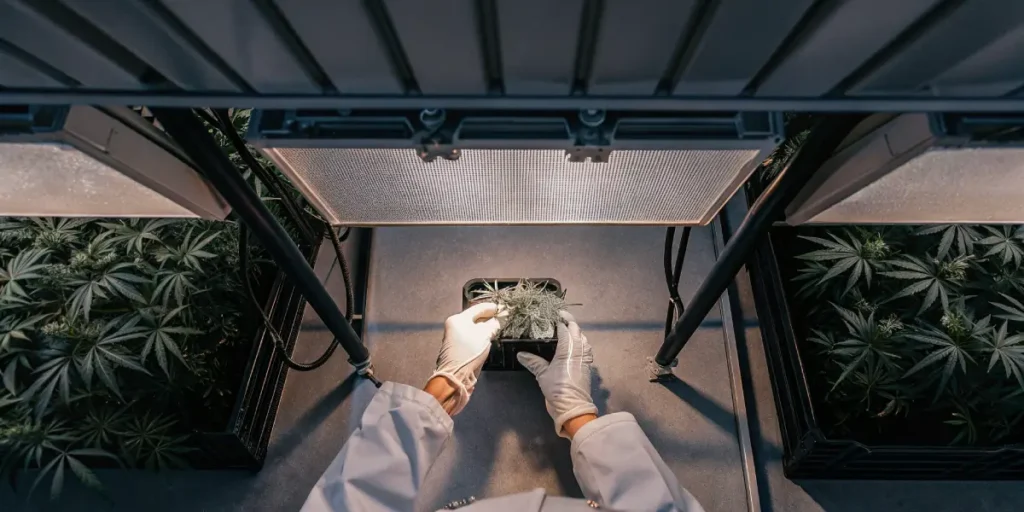
Before diving into the frequency, it’s essential to know how to measure Brix levels in cannabis plants effectively. The process involves extracting a small amount of sap from the plant’s stem or leaves. A refractometer is then used to measure the light bending in the sap, which indicates the sugar level.
To obtain an accurate reading, ensure the refractometer is clean and calibrated. Place a few drops of the sap onto the device and look through the eyepiece. The scale will show you the Brix level, which represents the sugar content percentage.
Knowing how to measure Brix levels in cannabis plants allows growers to make informed decisions about cultivation practices. Consistency is key, so having a set routine for measurement can significantly improve the accuracy of your readings.
Proper technique is crucial when measuring Brix levels. Ensure that the sap is fresh, as older samples can give misleading results. Regular practice and attention to detail will enhance your ability to gauge the health of your plants accurately.
Promos & Deals

Best Tools for Checking Cannabis Brix
Choosing the best tools for checking cannabis Brix is crucial for accurate readings. A reliable refractometer is your best bet. Digital refractometers are particularly user-friendly, providing quick and precise results without the need for complex calibration.
Besides to a refractometer, a good pair of pruning shears is helpful for sap extraction. Blimburn Seeds recommends maintaining your tools to ensure they last and always provide accurate results.
A high-quality refractometer can make the difference between a successful and a mediocre harvest. Investing in the best tools for checking cannabis Brix ensures that you are always working with precise data.
Maintenance of your tools cannot be overstated. Regular cleaning and recalibration of refractometers not only prolong their lifespan but also preserve the accuracy of your Brix measurements, which is essential for optimal cannabis cultivation.
Brix Measurement Frequency for Cannabis Cultivation
Now, let’s address the big question: How often should I check Brix in my cannabis plants? During the vegetative stage, weekly checks are generally sufficient. This frequency allows you to monitor the plant’s sugar production as it grows and makes necessary adjustments.
As your plants transition into the flowering stage, consider increasing the frequency to twice a week. This period is crucial for bud development, and consistent Brix monitoring can help you optimize conditions for the best yield.
Knowing the Brix measurement frequency for cannabis cultivation is vital for achieving the best results. Regular monitoring provides a clearer picture of how your plants are responding to environmental factors and nutrient inputs.
Each growth stage presents unique challenges, and adjusting your Brix measurement frequency accordingly can give you a competitive edge. For instance, more frequent checks during flowering can reveal insights that help improve your harvest’s quality and quantity.
Importance of Brix Monitoring in Cannabis Plants
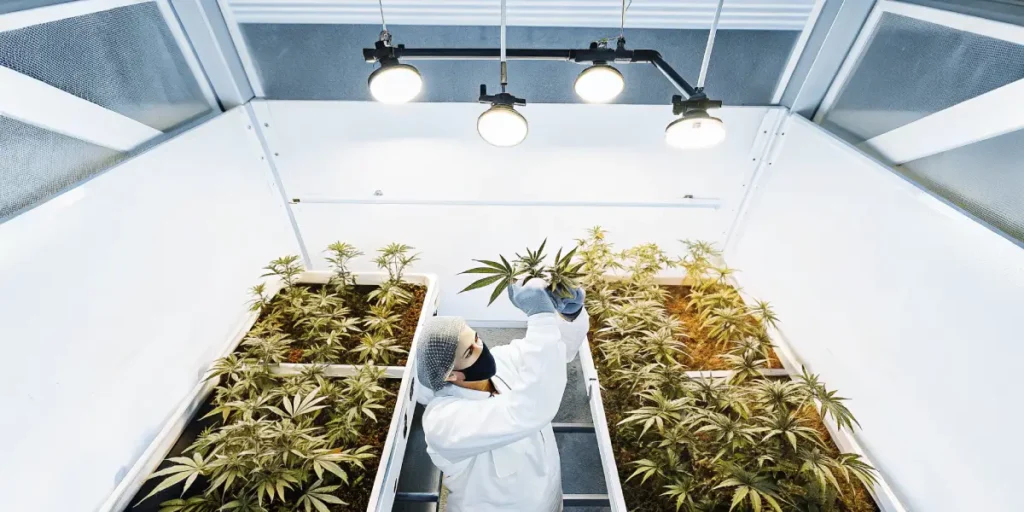
Brix monitoring is more than just a number; it’s an insight into your plant’s health. High Brix levels are often associated with better disease resistance, improved flavor, and increased potency. This makes it a vital part of your cultivation strategy.
By regularly checking Brix levels, you can identify nutritional deficiencies or excesses early. This allows you to adjust your feeding regime, ensuring your plants receive the right nutrients at the right times.
The importance of Brix monitoring in cannabis plants cannot be understated. It acts as a diagnostic tool, offering immediate feedback that can guide your cultivation techniques toward optimal plant health and productivity.
Consistent Brix monitoring also aids in predicting yields and spotting potential problems before they escalate. This proactive cultivation approach can lead to healthier plants, making your investment in time and resources more rewarding.
FAQs about How often should I check Brix in my cannabis plants?
What are ideal Brix levels for cannabis growth?
The ideal Brix levels for cannabis growth can vary depending on the strain and growing conditions. Generally, a Brix level above 12 indicates healthy, thriving plants. Strains like Gorilla Glue 4 from Blimburn Seeds may exhibit different optimal levels, so it’s useful to track changes over time.
Higher Brix levels suggest that your plants are effectively converting light into energy. This not only enhances growth but also improves resistance to pests and diseases, leading to a more abundant harvest.
Knowing what constitutes ideal Brix levels for cannabis growth helps align your cultivation objectives with the actual health of your plants. Regular tracking allows you to recognize patterns and make timely interventions.
Different strains have unique requirements, and recognizing these differences ensures that your plants receive tailored care. Monitoring Brix levels is a practical way to cater to these specific needs, ultimately enhancing your cannabis cultivation skills.
Why is monitoring Brix in cannabis plants important?
Monitoring Brix is important because it provides a snapshot of your plant’s overall health. This measurement helps determine the sugar content, which is directly linked to energy levels and growth potential.
Regularly checking Brix levels can alert you to potential issues before they become problems. This proactive approach allows you to make timely adjustments to your growing conditions, maximizing yields and quality.
Beyond the immediate benefits, monitoring Brix in cannabis plants fosters a deeper knowing of plant physiology. This knowledge can be instrumental in refining your cultivation techniques and achieving better harvests.
By integrating Brix monitoring into your routine, you develop a more holistic view of plant health, which can translate into more effective management practices and ultimately, superior cannabis quality.
How do I adjust my cultivation practices based on Brix readings?
If your Brix readings are lower than desired, consider adjusting your plant’s nutrient intake. Increasing the amount of phosphorus and potassium can help boost sugar production. Additionally, make sure your plants receive adequate light and water.
Conversely, if Brix levels are too high, ensure your plants are not being overfed. Balance is key, and regular monitoring allows you to fine-tune your approach for optimal results.
Adjusting your cultivation practices based on Brix readings is an effective way to respond dynamically to your plants’ needs. This flexibility can lead to more robust growth and better resilience against environmental stressors.
Utilizing Brix data allows you to tailor your nutrient regime precisely, ensuring that your plants are neither underfed nor overfed. This balance is crucial for maintaining the health and productivity of your cannabis crop.
Can different cannabis strains have varying Brix levels?
Yes, different cannabis strains can exhibit varying Brix levels. Factors such as genetics, growing conditions, and care practices can all influence these levels. For example, a strain like Gelato might naturally have higher Brix levels compared to other varieties.
Knowing the specific needs of each strain is crucial. Blimburn Seeds offers a diverse range of strains, each with unique characteristics that might affect their Brix readings.
Recognizing that different cannabis strains can have varying Brix levels allows you to customize your approach to suit each plant’s specific requirements. This adaptability is key to achieving a successful harvest.
By keeping detailed records of Brix levels across different strains, you can build a comprehensive knowing of how each variety responds to specific conditions, further honing your cultivation skills.
How do environmental factors affect Brix levels?
Environmental factors such as light, temperature, and humidity can significantly affect Brix levels. Adequate lighting is essential for photosynthesis, which directly impacts sugar production.
Temperature fluctuations can also influence Brix readings. Keeping a stable environment ensures that your plants can consistently produce the sugars necessary for growth and development.
Knowing how environmental factors affect Brix levels is crucial for creating the ideal growing conditions. Small adjustments in your cultivation environment can lead to significant improvements in plant health and productivity.
Monitoring environmental conditions in tandem with Brix levels provides a more complete picture of your plants’ performance. This holistic approach can enhance your ability to troubleshoot issues and optimize growing conditions.