Essential Tissue and Sap Testing for Smart Hydroponic Cannabis

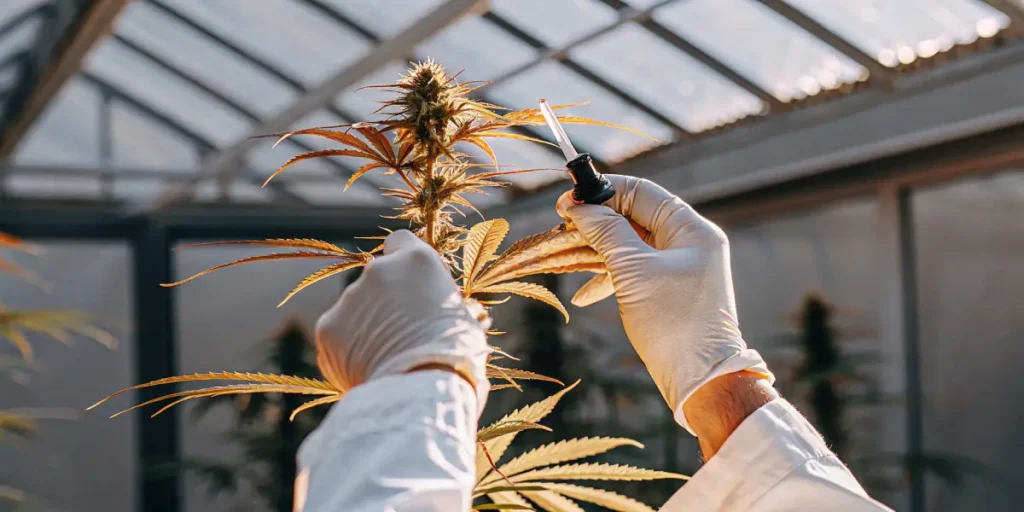
Growing cannabis in hydroponic systems can be a highly rewarding experience. However, it requires careful monitoring and adjustment of various factors to ensure optimal growth. Tissue and sap testing for hydroponic cannabis systems plays a crucial role in maintaining plant health and maximizing yield. By analyzing the plant’s tissues and sap, growers can gain insights into nutrient deficiencies and adjust their strategies accordingly.
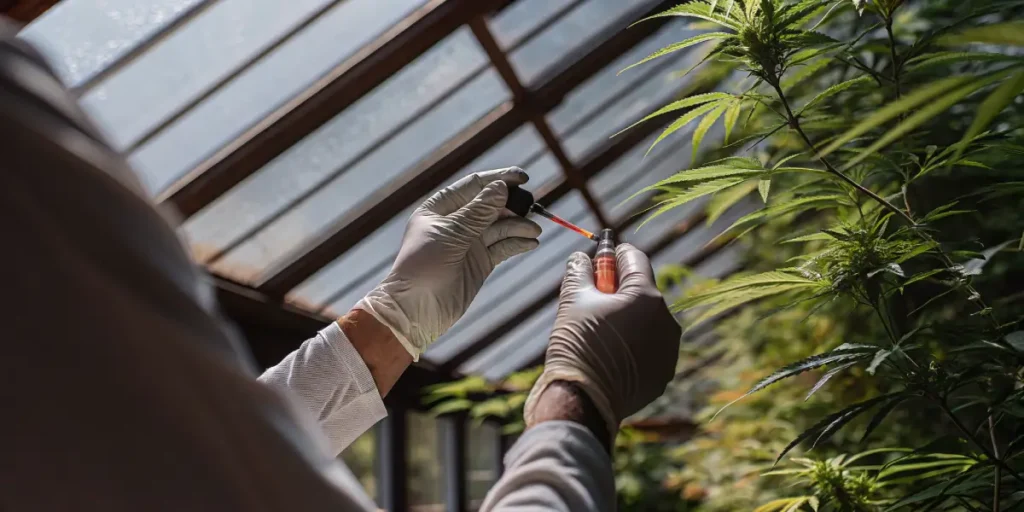
Tissue testing for hydroponic cannabis health involves examining the plant material to assess its nutritional status. This process helps identify any imbalances in nutrients that could lead to stunted growth or poor yield. For example, if your cannabis plants show signs of nutrient deficiencies, such as yellowing leaves or slow growth, tissue testing can pinpoint the exact issue.
Recommended Strains
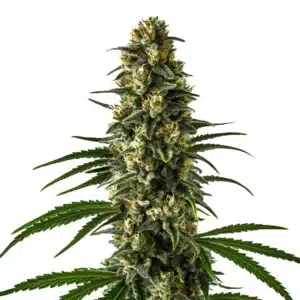
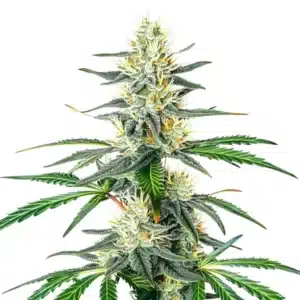
Girl Scout Cookies
 | THC | 18% - 25% (Medium) |
 | Type | Feminized |
 | Yield | High |
 | Phenotype | 60% Indica / 40% Sativa |

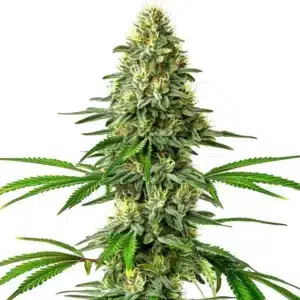
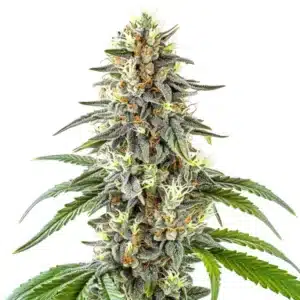
Bruce Banner #3
| | THC | 20% - 29% (High) |
| | Type | Feminized |
| | Yield | Medium |
| | Phenotype | 50% Indica / 50% Sativa |
Sap analysis for cannabis yield optimization focuses on the fluid inside the plant. Sap acts like the plant’s bloodstream, carrying vital nutrients to different parts. By measuring the nutrient levels in the sap, growers can make precise adjustments to their hydroponic cannabis nutrient solution. This ensures the plants receive the exact nutrients they need for robust growth.
Benefits of Tissue and Sap Testing
Tissue and sap testing for hydroponic cannabis systems offers numerous benefits. One of the most significant advantages is early detection of nutrient imbalances. By catching these issues early, you can prevent long-term damage to your plants and maintain a thriving garden of cannabis.
Another benefit is the ability to optimize nutrient usage. By knowing the specific needs of your plants through testing, you can adjust your nutrient solution to be more efficient. This not only saves money but also reduces the risk of nutrient lockout, where plants are unable to absorb nutrients due to an imbalance.
Besides to early detection and optimization, tissue and sap testing aids in the strategic planning of cannabis growth cycles. By having data-driven insights into your plants’ nutritional needs, you can plan better for each growth phase, ensuring that your plants have what they need right when they need it. This proactive approach can lead to healthier plants and more consistent yields.
Moreover, regular tissue and sap testing helps in hydroponic cannabis pH level monitoring. Balancing the pH levels in your system is essential for nutrient uptake, and these tests provide crucial data to maintain this balance. With better pH control, you can minimize potential growth issues and enhance the overall efficiency of your hydroponic system.
Promos & Deals


How to Conduct Tissue and Sap Testing
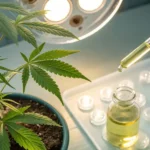
Conducting tissue and sap testing involves a few steps. First, you need to collect samples from your cannabis plants. For tissue testing, select mature leaves that show symptoms of nutrient deficiencies. For sap testing, use a device called a sap extractor to collect the fluid from the plant’s stem or leaves.
Once you have collected the samples, send them to a lab that specializes in cannabis nutrient deficiency testing. These labs will analyze the samples and provide a detailed report on the nutritional status of your plants. This report is invaluable for making informed decisions about your hydroponic cannabis pH level monitoring and nutrient adjustments.
It’s important to ensure that the sample collection is done meticulously to avoid contamination, which can skew the results. Clean tools and containers should be used to gather both tissue and sap samples. Additionally, label the samples clearly to avoid any mix-up during the testing process, as accurate data is crucial for effective cannabis hydroponic nutrient solution adjustment.
Timing also plays a crucial role in the accuracy of tissue and sap testing. Samples should be collected at a consistent time of day, preferably in the morning, when the plant’s sap flow is stable. Consistent timing helps in comparing results over time, allowing you to track changes and make timely interventions for optimal plant health.

Real-Life Example: Adjusting Nutrients for Blimburn Seeds’ Strains
Let’s consider a practical scenario involving the popular strain, Bruce Banner #3 from Blimburn Seeds. Suppose you notice that your Bruce Banner plants have yellowing leaves, a common sign of nitrogen deficiency. By conducting tissue testing, you can confirm the deficiency and adjust your nutrient solution accordingly. This adjustment ensures your plants receive the right amount of nitrogen, promoting healthy growth.
Another example involves the Girl Scout Cookies strain. This strain might exhibit signs of potassium deficiency, such as browning leaf edges. By using sap analysis, you can detect this deficiency early and tweak the nutrient solution to provide more potassium. This proactive approach helps maintain the plant’s vigor and maximizes yield.
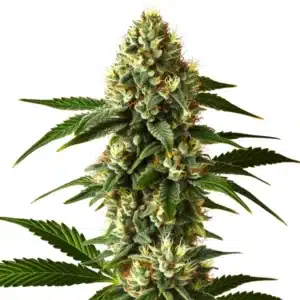
With the Gorilla Glue #4 strain, sometimes subtle symptoms of nutrient imbalances can be overlooked until significant growth issues arise. Implementing tissue and sap testing for hydroponic cannabis systems regularly can prevent such oversights. By identifying phosphorus deficiencies early, growers can make timely interventions that not only resolve immediate growth challenges but also improve the subsequent flowering phase.
Besides to individual strain adjustments, knowing the specific nutrient needs of each strain from Blimburn Seeds can lead to the development of customized nutrient schedules. These schedules take into account the different growth rates and nutrient demands, enhancing the overall effectiveness of your hydroponic system and ensuring that each strain reaches its full potential.
Interpreting Test Results and Taking Action
After receiving the test results, it’s time to interpret the data and take action. The report will provide detailed information on the nutrient levels in your cannabis plants. Compare these levels to the optimal ranges for cannabis growth to identify any deficiencies or excesses.
Once you have identified the issues, adjust your hydroponic cannabis nutrient solution accordingly. For instance, if you find a calcium deficiency, consider adding a calcium supplement to your nutrient mix. Remember, it’s crucial to make gradual adjustments to avoid shocking your plants with sudden changes.
Interpreting test results accurately requires a good knowing of the baseline nutrient requirements for cannabis. It’s crucial to cross-reference your test data with established nutrient guidelines. This ensures that your cannabis hydroponic nutrient solution adjustment aligns with best practices, providing a balanced nutrient environment for your plants.
Additionally, maintaining a record of past test results can be extremely beneficial. Regularly reviewing these records allows growers to identify patterns or recurring issues, facilitating more precise and effective interventions. Over time, this practice contributes to improved plant management and higher yield consistency.
FAQs about Tissue and sap testing for hydroponic cannabis systems
What is the importance of tissue and sap testing for hydroponic cannabis systems?
Tissue and sap testing is vital for maintaining the health and productivity of hydroponic cannabis systems. By providing a detailed analysis of the plant’s nutritional status, these tests help growers identify nutrient deficiencies and imbalances early. Early detection allows for timely adjustments to the nutrient solution, ensuring the plants receive the necessary nutrients for optimal growth.
Additionally, these tests help optimize nutrient usage, reducing waste and saving costs. By tailoring the nutrient solution to the specific needs of the plants, growers can prevent nutrient lockout and other issues that could hinder growth and yield. Whether you’re a first-time cannabis seed buyer or an experienced grower, this information is invaluable for achieving successful harvests.
Further, tissue and sap testing for hydroponic cannabis systems helps in predicting potential growth challenges. By keeping a close eye on nutrient levels, growers can foresee problems before they manifest visibly, allowing for more strategic planning and execution of nutrient adjustments. This proactive approach is key to maintaining a resilient and productive hydroponic setup.
Moreover, the insights gained from these tests can guide broader cultivation strategies beyond just nutrient adjustments. Knowing how different strains respond to specific nutrient levels can inform decisions on strain selection and breeding, contributing to the development of more robust and high-yield cannabis varieties.
How often should I perform tissue and sap testing on my cannabis plants?
The frequency of tissue and sap testing depends on several factors, including the growth stage of your plants and any visible symptoms of nutrient deficiencies. As a general guideline, consider testing every few weeks during the vegetative and flowering stages. This regular testing schedule ensures you catch any issues early and make necessary adjustments promptly.
If you notice symptoms such as yellowing leaves or slow growth, conduct the tests immediately to identify the underlying problem. Regular testing is a proactive approach that helps maintain the health and productivity of your hydroponic cannabis garden, leading to better yields and quality.
It’s also beneficial to increase the frequency of testing during periods of significant environmental changes, such as shifts in temperature or humidity. These changes can affect nutrient uptake and plant metabolism, making it crucial to monitor nutrient levels closely through tissue and sap testing.
For growers experimenting with new strains from Blimburn Seeds or cultivating multiple strains with different nutritional needs, frequent testing can provide critical insights. It allows for tailored nutrient solutions that cater to the unique requirements of each strain, optimizing growth and yield outcomes.
Can tissue and sap testing help prevent cannabis nutrient deficiency testing?
Yes, tissue and sap testing can help prevent cannabis nutrient deficiency testing by providing early detection of potential issues. By identifying nutrient deficiencies before they manifest as visible symptoms, these tests allow for timely adjustments to the nutrient solution, preventing further complications.
This proactive approach ensures that your cannabis plants receive the essential nutrients needed for healthy growth. It reduces the risk of nutrient lockout and other challenges that could compromise your harvest. With regular testing, you can maintain a thriving hydroponic cannabis system with minimal disruptions.
Besides to preventing deficiencies, regular testing supports overall plant health by ensuring that nutrient levels remain within optimal ranges. This comprehensive approach to monitoring helps maintain a balanced nutrient profile, which is essential for vigorous growth and high-quality yields.
Furthermore, tissue and sap testing for hydroponic cannabis systems can facilitate better planning and execution of nutrient cycles. By knowing the nutrient dynamics within your plants, you can design nutrient schedules that preemptively address potential deficiencies, enhancing the resilience and productivity of your cannabis garden.
How do I choose a reliable lab for tissue and sap testing?
Choosing a reliable lab for tissue and sap testing is crucial for obtaining accurate and insightful results. Start by researching labs that specialize in cannabis testing, as they will have the necessary expertise and equipment to analyze your samples accurately. Look for labs with positive reviews and a proven track record of providing high-quality results.
Additionally, consider labs that offer comprehensive reports with clear recommendations for nutrient adjustments. These recommendations are invaluable for making informed decisions about your hydroponic cannabis nutrient solution adjustment. By choosing a reputable lab, you can trust the results and use them to optimize your growing strategy.
It’s also advisable to inquire about the turnaround time for test results. Quick processing and delivery of results are essential for timely interventions and adjustments. Delays in receiving test data could lead to prolonged nutrient imbalances, affecting plant health and yield.
Furthermore, transparency in testing methodologies and result interpretation is key. Ensure the lab you choose provides detailed explanations of their testing processes and methodologies. This transparency increases your confidence in the results and helps you make more informed decisions regarding your hydroponic cannabis systems.
What are the common signs that indicate a need for tissue and sap testing?
Common signs that indicate a need for tissue and sap testing include yellowing leaves, slow growth, poor bud development, and browning leaf edges. These symptoms often point to nutrient deficiencies or imbalances that can be addressed through testing and adjustments to the nutrient solution.
If you observe any of these signs, it’s crucial to conduct tissue and sap testing promptly. Early detection allows for timely interventions, preventing long-term damage and ensuring a healthy and productive hydroponic cannabis garden. Regular testing helps maintain the balance of nutrients, promoting vigorous growth and maximizing yields.
Other indicators might include uneven growth patterns or unexpected changes in the plant’s physical appearance, such as curling leaves or unusual color variations. These can be subtle signs of underlying nutrient issues that tissue and sap testing can help diagnose and address.
Additionally, if you’re experimenting with a new nutrient regimen or introducing new strains from Blimburn Seeds, it’s wise to conduct regular testing. This practice ensures that any unforeseen nutrient imbalances are identified and corrected early, safeguarding the health and productivity of your cannabis plants.