
Essential Micronutrient Analysis in Cannabis: Sap vs Tissue Testing

Micronutrient analysis in cannabis: sap vs tissue testing is crucial for both novice growers and seasoned experts. The health of your cannabis plants can significantly impact yield and quality. Two popular methods for assessing micronutrient levels are sap analysis and tissue testing — but what’s the difference between them?
Sap testing involves analyzing the plant’s “blood,” the fluid that circulates nutrients. In contrast, tissue testing examines the plant material itself. Each method offers unique insights into how your cannabis plants are faring. Today, we’ll dive into the specifics of these methods and help you determine which might be right for your grow operation.
Recommended Strains

Bruce Banner #3
 | THC | 20% - 29% (High) |
 | Type | Feminized |
 | Yield | Medium |
 | Phenotype | 50% Indica / 50% Sativa |

GG4
| | THC | 27% (High) |
| | Type | Feminized |
| | Yield | High |
| | Phenotype | 40% Indica / 60% Sativa |
Consider Blimburn Seeds’ renowned strains like Bruce Banner #3, Girl Scout Cookies, and Gorilla Glue #4. These strains thrive when micronutrient levels are meticulously monitored. Whether you’re growing indoors or outdoors, knowing the nuances of sap and tissue testing can elevate your cannabis cultivation game.
Micronutrient Levels in Cannabis Sap Analysis
Sap analysis provides a snapshot of the nutrients currently available in the plant’s vascular system. It’s like a blood test for your cannabis plants. This method is fantastic for real-time data, offering a picture of current nutrient uptake. This means you can make immediate adjustments to your feeding regimen.
For instance, if you’re cultivating a strain like Bruce Banner #3 from Blimburn Seeds, sap analysis can help you identify deficiencies early. By doing so, you ensure the plant receives exactly what it needs, avoiding potential growth slowdowns or yield reductions.
Micronutrient levels in cannabis sap analysis are crucial for early detection of any nutrient excesses or deficits. This timely information allows growers to finetune their nutrient solutions, ensuring that the plants are neither overfed nor underfed. Such precision is vital for maintaining the health and productivity of cannabis plants.
Moreover, sap analysis can help predict future nutrient needs, giving growers a proactive approach to nutrient management. By knowing current uptake trends, growers can anticipate changes as plants progress through different growth stages, ensuring that nutrient levels are always optimal for the plants’ development.
Benefits of Sap Analysis
Sap analysis is advantageous because it reflects what the plant is currently absorbing from the soil. This can be crucial during flowering stages when nutrient demands shift. Having real-time data allows you to tweak nutrient solutions on the fly. Thus, it ensures optimal health and vigor.
Another benefit is the early detection of imbalances. Suppose you’re growing Girl Scout Cookies from Blimburn Seeds. Early detection of a potassium deficiency through sap analysis allows you to rectify the issue before it affects bud development.
For growers focused on maximizing the potential of their cannabis plants, sap analysis offers a strategic advantage. It allows for precision farming, where nutrient application can be tailored to the plant’s immediate needs, enhancing growth and yield. This method is particularly beneficial for nutrient-sensitive strains that require careful monitoring.
In addition, sap analysis can reduce the risk of nutrient lockout, a common issue when plants receive excessive amounts of certain nutrients. By continuously monitoring the sap’s nutrient content, growers can avoid such complications, maintaining the plant’s health and optimizing its productivity.
Promos & Deals




Cannabis Tissue Testing for Micronutrients
Tissue testing offers a comprehensive overview of the nutrients stored within the plant material. This method is like a nutritional audit, showing what the plant has accumulated over time. It’s particularly useful for knowing long-term nutrient management strategies.
When growing a resilient strain like Gorilla Glue #4 from Blimburn Seeds, tissue testing can give insights into how the plant has been storing nutrients throughout its lifecycle. This provides a historical record of nutrient uptake, offering clues on how to optimize feeding programs in future grows.
Cannabis tissue testing for micronutrients is an essential tool for evaluating the effectiveness of past nutrient applications. By examining the plant tissue, growers can determine if their nutrient strategy has been successful or if adjustments need to be made for future grows. This insight helps in refining nutrient applications over time.
Additionally, tissue testing can serve as a diagnostic tool when plants exhibit signs of stress or deficiency. By analyzing the stored nutrients, growers can pinpoint specific issues and address them effectively, ensuring that plants remain healthy and continue to thrive throughout their growing cycle.
Advantages of Tissue Testing
One of the main advantages of tissue testing is its ability to reflect the cumulative nutrient status of the plant. While sap analysis shows what’s currently being used, tissue testing indicates what the plant has stored. This can be crucial for planning future nutrient applications.
Tissue testing can also help diagnose chronic deficiencies or toxicities. For example, if a plant shows signs of magnesium deficiency, tissue testing can confirm whether the plant has been consistently lacking this nutrient, allowing growers to make informed decisions moving forward.
For growers aiming for consistency in their harvests, tissue testing provides invaluable data. It helps ensure that nutrient levels are consistent across different grows, leading to reliable yields and quality. Such consistency is particularly important for commercial growers who need to meet specific quality standards.
Moreover, tissue testing allows for a detailed micronutrient profile that can uncover hidden deficiencies that might not manifest immediately. This level of insight is crucial for achieving optimal plant health and maximizing the potential yield of high-demand strains like those offered by Blimburn Seeds.
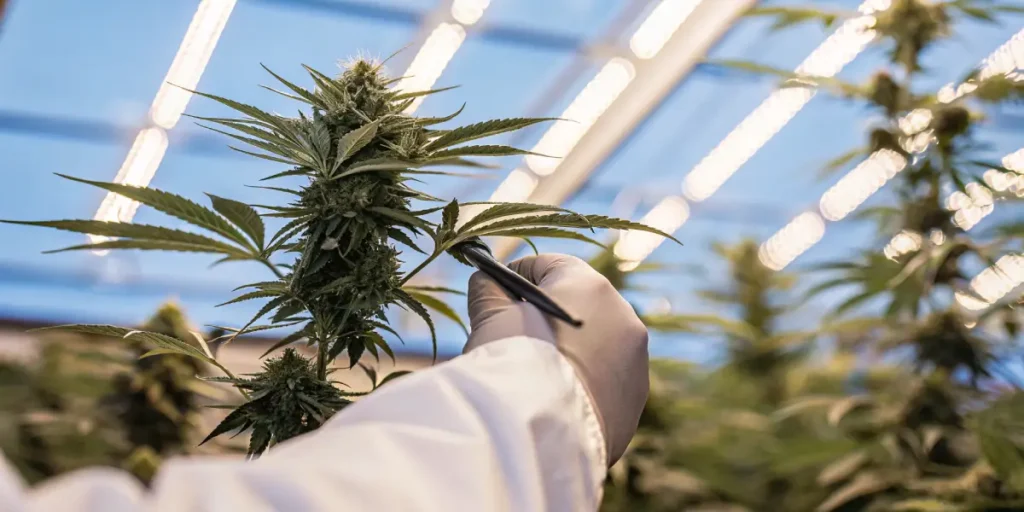
Differences in Sap and Tissue Nutrient Testing Cannabis
Sap and tissue testing each serve unique purposes. Sap testing provides a snapshot of immediate nutrient uptake, while tissue testing offers a longer-term view of nutrient storage. Knowing these differences is key to leveraging both methods effectively.
For example, sap testing might reveal an immediate calcium deficiency. However, tissue testing might show that the plant has generally been receiving adequate calcium over time, suggesting the need for a temporary adjustment rather than a complete overhaul of your nutrient plan.
Recognizing the differences in sap and tissue nutrient testing cannabis is essential for tailoring nutrient strategies to suit the specific needs of different strains. Each method offers distinct advantages, and using them in tandem can provide a more holistic knowing of plant health.
By integrating insights from both testing methods, growers can develop a balanced nutrient approach that addresses both short-term and long-term plant needs. This comprehensive strategy can lead to healthier plants and more robust harvests, especially for complex strains that require precise nutrient management.
When to Use Each Method
Choosing between sap and tissue testing often depends on your specific goals. If you’re looking to make rapid adjustments during critical growth phases, sap analysis might be the best choice. It provides real-time data that allows for swift corrections.
Conversely, if you want to refine your nutrient strategy for future grows, consider tissue testing. It provides a historical perspective, helping you understand how your plants have been processing nutrients over their lifecycle.
Deciding when to use each method depends largely on the growth stage and the specific challenges faced by the plants. During periods of rapid growth or nutrient transitions, sap analysis can offer timely insights to guide immediate interventions.
In contrast, tissue testing can be particularly beneficial during maintenance phases or after harvest, as it helps evaluate the effectiveness of nutrient strategies over the lifecycle of the plants. This information is invaluable for planning future grows and achieving consistent quality and yield.
Micronutrient Uptake in Cannabis Plants Analysis
Micronutrient uptake is vital for healthy cannabis growth. Both sap and tissue testing play significant roles in analyzing this aspect. Each method provides valuable data that can guide nutrient management strategies.
By employing both sap and tissue testing, you can form a holistic knowing of how your cannabis plants, whether they’re Girl Scout Cookies or Gorilla Glue #4, are interacting with their growing environment. This dual approach can lead to more informed decisions and ultimately better plant health.
Micronutrient uptake in cannabis plants analysis is critical for optimizing growth and development. Knowing how plants absorb and utilize nutrients through both sap and tissue testing can help growers make data-driven decisions that enhance overall plant vitality.
Utilizing insights from micronutrient analysis in cannabis: sap vs tissue testing, growers can tailor nutrient applications to suit the specific demands of their plants, promoting stronger growth and increasing the potential for higher yields. This analysis is an essential component of a successful cultivation strategy.
Cannabis Plant Health: Sap vs Tissue Test Comparison
The health of your cannabis plants is closely tied to the accuracy of your micronutrient analysis. By comparing sap and tissue test results, growers can get a clearer picture of plant health. This comparison can highlight discrepancies that might not be visible when using a single method.
For instance, sap analysis might indicate a nitrogen surplus, while tissue testing could show that the plant has a balanced nitrogen level stored. This information helps in adjusting feeding schedules to prevent nutrient lockout or deficiencies.
Cannabis plant health sap vs tissue test comparison is a valuable tool for identifying nutrient imbalances and optimizing growth conditions. By examining both current and stored nutrient levels, growers can achieve a comprehensive knowing of plant health.
This comparison allows for the fine-tuning of nutrient regimens to ensure that plants receive the right nutrients at the right time, preventing deficiencies and toxicities. Such precision is essential for maximizing plant health and productivity, especially for high-performance strains from Blimburn Seeds.
FAQs about Micronutrient analysis in cannabis: sap vs tissue testing
What is the main difference between sap and tissue testing?
Sap testing provides real-time data on the nutrients currently in use by the plant, akin to a blood test in humans. This allows growers to make immediate adjustments to nutrient solutions. On the other hand, tissue testing examines the plant material itself, offering insights into what nutrients the plant has accumulated over time.
While sap testing is excellent for quick assessments and immediate action, tissue testing provides a historical perspective on nutrient uptake, which is beneficial for long-term nutrient management strategies. Together, they offer a comprehensive view of plant health.
The differences in sap and tissue nutrient testing cannabis methods highlight their complementary roles in nutrient management. Sap testing is ideal for addressing acute nutrient needs, while tissue testing offers insights into chronic nutrient trends.
Employing both methods allows for a nuanced approach to nutrient management, ensuring that cannabis plants receive both immediate and long-term care. This strategic use of testing methods can significantly enhance plant health and yield potential.
How can sap analysis benefit my cannabis grow?
Sap analysis allows for real-time monitoring of nutrient uptake, enabling growers to make quick adjustments to their feeding regimen. For example, if sap analysis reveals a deficiency, growers can immediately supplement nutrients to correct the imbalance. This is particularly useful during critical growth stages when nutrient demands are high.
By maintaining optimal nutrient levels through sap analysis, you can enhance the overall health and yield of your cannabis plants. This method is especially beneficial when cultivating nutrient-sensitive strains like Girl Scout Cookies from Blimburn Seeds.
Micronutrient levels in cannabis sap analysis provide a dynamic knowing of nutrient absorption patterns, allowing growers to optimize their feeding strategies. This real-time insight is crucial for preventing nutrient deficiencies that could impact growth and quality.
Incorporating sap analysis into your cultivation practice can lead to healthier plants and more abundant harvests, as it enables precise adjustments to nutrient applications based on current plant needs. This proactive approach is key to successful cannabis cultivation.
Why should I consider tissue testing for my cannabis plants?
Tissue testing provides a comprehensive overview of the nutrients stored within the plant. This method is beneficial for identifying chronic deficiencies or toxicities that might not be visible through sap analysis alone. It helps in planning future nutrient strategies by offering insights into what the plant has been accumulating over time.
For growers of strains like Gorilla Glue #4 from Blimburn Seeds, tissue testing can ensure that nutrient levels are balanced throughout the plant’s lifecycle, preventing potential issues that could affect quality and yield.
Cannabis tissue testing for micronutrients is a vital component of a successful nutrient management plan. By examining stored nutrients, growers can identify subtle imbalances that might affect plant health and productivity over time.
This detailed analysis enables growers to optimize their nutrient strategies for future grows, ensuring consistent quality and yield. Tissue testing provides the long-term insights necessary for maintaining the health and performance of cannabis plants across different cultivation cycles.
Can sap and tissue testing be used together?
Yes, using both sap and tissue testing together provides a well-rounded knowing of plant health. Sap testing offers immediate insights, while tissue testing gives a longer-term perspective. This combination ensures you address both current and future nutrient needs of your cannabis plants.
Integrating both methods can be particularly advantageous when growing complex strains like Bruce Banner, where precise nutrient management is crucial for maximizing growth potential and achieving the best possible harvest.
By combining micronutrient analysis in cannabis: sap vs tissue testing, growers can develop a more comprehensive nutrient management strategy. This dual approach allows for real-time adjustments and long-term planning, leading to healthier plants and more successful harvests.
Utilizing both testing methods ensures that growers have a complete picture of plant health, allowing for precise interventions and strategic planning. This synergy is especially beneficial for strains that demand meticulous care and attention to nutrient balance.
What are the challenges of sap and tissue testing?
One challenge of sap testing is that it requires precise timing and sampling to ensure accurate results. It can be labor-intensive, requiring regular monitoring throughout the plant’s growth cycle. Careful handling and analysis are crucial to obtaining reliable data.
Tissue testing, while providing valuable long-term data, can be less responsive to immediate nutrient imbalances. It may require sacrificing part of the plant for sampling, which can be a concern during critical growth stages. Despite these challenges, the insights gained from both methods can significantly enhance cannabis cultivation.
Both sap and tissue testing come with their own set of challenges. For sap analysis, maintaining consistency in sample collection and handling is essential to ensure reliable data, while tissue testing requires careful planning to avoid compromising plant health during sampling.
Despite these challenges, the benefits of employing both methods in tandem far outweigh the drawbacks. The insights gained from a comprehensive micronutrient analysis in cannabis: sap vs tissue testing approach can lead to healthier plants and more bountiful harvests, making the effort well worth it for dedicated growers.