Essential Guide: How Brix Levels Affect Cannabis Flavor and Aroma

How Brix Levels Affect Cannabis Flavor and Aroma is an important topic for growers aiming to achieve rich flavors and aromas in their plants. When growing cannabis, achieving complex and appealing sensory profiles is a top goal for many cultivators. One crucial factor in this pursuit is the brix level, which measures the sugar content of plant sap. Higher brix levels often correlate with enhanced taste and smell, making this an important aspect for both new and experienced growers to consider.
Brix levels can significantly influence the terpene profile of cannabis. Terpenes are the compounds responsible for the diverse scents and flavors found in cannabis strains. By carefully monitoring and adjusting brix levels, growers can enhance these natural characteristics, resulting in a more aromatic and flavorful product.
Recommended Strains
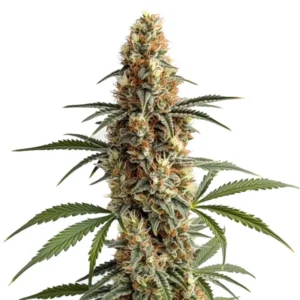
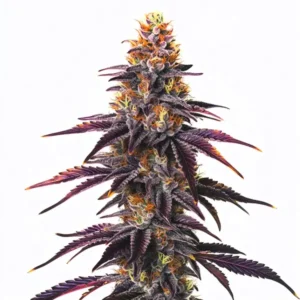
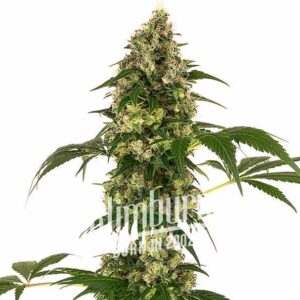
Mamba Negra
 | THC | 18% (Medium) |
 | Type | Feminized |
 | Yield | High |
 | Phenotype | 55% Indica / 45% Sativa |
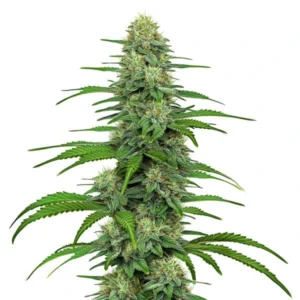
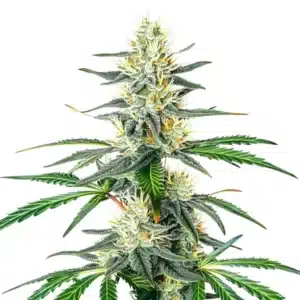
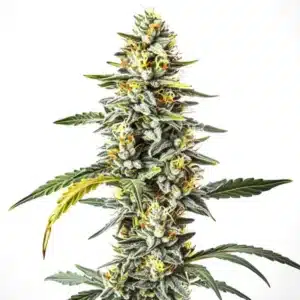
GG4
| | THC | 27% (High) |
| | Type | Feminized |
| | Yield | High |
| | Phenotype | 40% Indica / 60% Sativa |
For instance, a strain like “Mamba Negra” from Blimburn Seeds, known for its fruity and spicy aroma, may benefit from optimized brix levels. This can amplify its signature scent and taste, providing a more intense experience for consumers.
What Are Brix Levels?
Brix is a term used to denote the sugar content in a plant’s sap or juice. It’s measured using a refractometer, a simple tool that gauges how light bends when it passes through the sap. The resulting measurement can provide insights into the plant’s health and potential for producing robust flavors and aromas.
High brix levels usually indicate that a plant is healthy and has a high sugar content. This is often associated with better taste and aromatic profiles in cannabis. The impact of brix levels on cannabis terpene profile is substantial, as sugars play a crucial role in terpene development.
Knowing how brix levels affect cannabis flavor and aroma can give growers an edge in producing top-quality strains. The effects of brix measurements on cannabis flavor are profound, as they help in determining the rich, multi-layered taste profiles that connoisseurs seek. This makes brix levels an invaluable metric in the cultivation process.
Moreover, the relationship between brix levels and cannabis taste is not just about sweetness; it encompasses a broader range of sensory experiences. High brix levels can lead to more intense terpene synthesis, enhancing both the complexity and depth of the plant’s aroma and flavor. This is why many professional cultivators prioritize maintaining optimal brix levels throughout the growing cycle.
How to Measure Brix Levels
Measuring brix levels is straightforward. You’ll need a refractometer, which can be purchased online or at garden supply stores. To take a measurement, simply squeeze a few drops of sap onto the refractometer’s glass and look through the eyepiece. The result is a number that represents the sugar content.
Regularly measuring brix levels can help you monitor your cannabis plants’ health. It’s a non-invasive way to determine if your plants are getting the nutrients they need. This practice can also guide you in making necessary adjustments to improve the relationship between brix levels and cannabis taste.
Consistency is key when it comes to using a refractometer to track brix levels. By establishing a routine measurement schedule, growers can detect subtle changes in sugar content that might indicate shifts in plant health or nutrient uptake. This proactive approach ensures that any potential issues are addressed promptly, safeguarding the quality of the final product.
Moreover, keeping a detailed log of brix measurements provides valuable data that can inform future cultivation efforts. By comparing these records with environmental conditions and cultivation techniques, growers can fine-tune their practices to enhance the effects of brix measurements on cannabis flavor and optimize the overall growing process.
Promos & Deals
Influencing Factors on Brix Levels
Several factors can influence the brix levels in cannabis plants. Nutrient availability, environmental conditions, and even plant genetics play a role. Ensuring that your plants receive an optimal balance of nutrients is crucial. High-quality fertilizers and supplements can promote better sugar production.
Environmental conditions such as light, temperature, and humidity also affect brix levels. Plants grown in well-lit conditions with stable temperatures tend to develop higher sugar content, thus improving the effects of brix measurements on cannabis flavor.
Genetic predispositions significantly influence how brix levels affect cannabis flavor and aroma. Some strains are naturally more adept at sugar production, making them more responsive to favorable environmental and nutritional conditions. Selecting these genetically promising strains can be a strategic move for cultivators looking to maximize aroma and flavor.
Additionally, the timing of harvest can impact brix levels and, consequently, the terpene profile of the cannabis. Harvesting at the peak of brix levels will ensure that the plant’s flavor and aroma are at their most potent, capturing the essence of the strain’s unique characteristics. Consider this factor when planning your cultivation schedule to achieve the best results.

Practical Tips for Improving Brix Levels
To boost brix levels, start by optimizing your soil’s nutrient profile. Use organic matter like compost to enrich the soil. This not only provides essential nutrients but also improves soil texture and water retention.
Consider using products specifically designed to increase brix levels. These often contain a mix of micronutrients and beneficial microbes. Regularly apply these amendments according to the manufacturer’s instructions to see a noticeable improvement.
Beyond soil amendments, maintaining optimal environmental conditions is crucial for enhancing brix levels. Ensure that your plants receive adequate lighting, as well as proper temperature and humidity controls, to facilitate sugar production and improve the relationship between brix levels and cannabis taste.
Another effective strategy is the use of foliar sprays that contain sugars and micronutrients. Applying these directly to the leaves can help stimulate photosynthesis and sugar production, giving your plants an extra boost in developing richer flavors and aromas. This targeted approach can be particularly beneficial for strains known for their complex scent profiles, such as those from Blimburn Seeds.
Brix Levels and Cannabis Strains
Different cannabis strains have varying capacities for sugar production, affecting their brix levels. Some strains naturally have higher brix levels due to their genetic makeup. Knowing these differences can help growers make informed decisions when selecting strains.
For instance, the “Gorilla Glue 4” strain from Blimburn Seeds is known for its high resin production, which is often associated with elevated brix levels. This can lead to a more potent aroma and flavor profile, making it a favorite among enthusiasts looking for a strong sensory experience.
When exploring how brix levels affect cannabis flavor and aroma, it’s essential to consider the innate characteristics of each strain. Strains with high terpene profiles naturally benefit from optimized sugar content, translating into richer and more layered sensory experiences. This makes genetic selection a vital component of successful cannabis cultivation.
Furthermore, the brix levels influence on cannabis scent is a critical factor in determining the market appeal of a particular strain. By focusing on strains that have demonstrated superior sugar production, growers can create products that stand out in terms of both smell and taste, enhancing consumer satisfaction and demand.
Choosing the Right Strain for High Brix Levels
When selecting strains, consider their natural brix level tendencies. Strains with high terpene content usually benefit more from optimized brix levels. This enhances their natural attributes, leading to a better overall product.
Research and compare strains to identify those with the potential for high sugar content. Blimburn Seeds offers a variety of strains that are well-suited for this purpose, allowing growers to focus on enhancing flavors and aromas.
Knowing the impact of brix levels on cannabis terpene profile can guide your choice of strains. Opt for those with a reputation for complex and appealing flavor profiles, as they will respond more favorably to high brix levels, producing a superior end product.
Besides to the inherent qualities of the strain, consider your cultivation setup and capacity to maintain optimal growing conditions. Strains that thrive under your specific environmental conditions are more likely to achieve desirable brix levels, resulting in a richer and more enjoyable cannabis experience for consumers.

FAQs about How Brix Levels Affect Cannabis Flavor and Aroma
What is the ideal brix level for cannabis plants?
The ideal brix level for cannabis plants can vary depending on the strain and growing conditions. Generally, a brix level between 12 and 15 is considered optimal for most strains. This range indicates healthy sugar content, which can enhance both flavor and aroma.
Monitoring brix levels regularly allows growers to make adjustments as needed. This ensures that plants remain healthy and capable of producing the desired sensory characteristics. Keep in mind that environmental factors and nutrient management also play critical roles in achieving these levels.
The effects of brix measurements on cannabis flavor are evident when plants consistently maintain optimal sugar levels. This is why regular monitoring and adjustments are vital for achieving the best taste and aroma profiles. The brix levels influence on cannabis scent is equally important, as higher sugar content supports more robust terpene synthesis.
For growers aiming for premium quality, knowing the nuances of brix levels and their impact is essential. By focusing on maintaining these levels, you can ensure that your plants produce the most potent and aromatic end product possible, enhancing both consumer satisfaction and market competitiveness.
How does sugar content affect cannabis aroma?
Sugar content is closely linked to the development of terpenes, which are the compounds responsible for cannabis aroma. Higher brix levels often mean more available sugars for terpene synthesis, leading to a more pronounced scent.
By focusing on sugar content, growers can influence the intensity and complexity of their cannabis’s aroma. This is especially beneficial for strains with unique scent profiles, such as “Mamba Negra” and “Gorilla Glue 4” from Blimburn Seeds.
Knowing how sugar content affects cannabis aroma provides growers with powerful insights into enhancing their crop’s appeal. By optimizing brix levels, the full potential of a strain’s aromatic profile can be realized, delivering a richer and more satisfying sensory experience.
The relationship between brix levels and cannabis taste is also evident in how sugar enhances the overall flavor profile. By ensuring that plants have the necessary nutrients and environmental support to reach ideal brix levels, growers can achieve a well-rounded and memorable taste experience that aligns with the strain’s natural characteristics.
Can low brix levels be improved?
Yes, low brix levels can often be improved with careful management. Start by reviewing your feeding schedule and ensuring that plants receive balanced nutrients. Consider using supplements designed to boost sugar content.
Environmental adjustments, such as optimizing light intensity and ensuring proper watering practices, can also help. Regular monitoring allows you to track progress and make timely corrections to enhance brix levels.
Addressing low brix levels involves a holistic approach that considers both nutritional and environmental factors. By providing plants with a balanced diet rich in essential nutrients and maintaining optimal growing conditions, you can support their natural sugar production capabilities.
Additionally, knowing the impact of brix levels on cannabis terpene profile can guide your efforts in improving low levels. By focusing on these critical aspects, growers can work towards achieving higher sugar content, resulting in enhanced flavors and aromas that meet consumer expectations and enhance product value.
Do all cannabis strains benefit equally from high brix levels?
Not all cannabis strains benefit equally from high brix levels. Some strains naturally produce more sugars and terpenes, making them more responsive to brix optimization. Researching strain characteristics can help you choose the right ones.
Strains like “Zombie Death Fuck” are known for their strong flavor profiles and can significantly benefit from enhanced brix levels. Selecting strains with high terpene potential can maximize the benefits of brix optimization.
While some strains are genetically predisposed to high sugar production, others may require more intensive care and optimization to achieve similar results. Knowing how brix levels affect cannabis flavor and aroma can help growers focus their efforts on the most promising strains for their specific cultivation conditions.
By selecting strains with a proven track record of high terpene and sugar production, such as those offered by Blimburn Seeds, growers can more effectively harness the benefits of optimized brix levels. This strategic approach ensures a superior end product with heightened sensory appeal.
What tools do I need to measure brix levels?
The primary tool required to measure brix levels is a refractometer. This device is simple to use and provides a quick assessment of sugar content. For best results, choose a model that is specifically designed for plant sap.
Besides to a refractometer, maintaining a log of measurements can be helpful. This allows you to track changes over time and correlate them with your cultivation practices, leading to better-informed decisions.
Investing in a high-quality refractometer ensures accurate and reliable measurements of brix levels, facilitating better management of your cannabis crop. Additionally, consider other tools such as soil test kits and environmental monitors to further support your cultivation efforts and optimize conditions.
Keeping detailed records of your brix measurements and related observations can serve as a valuable resource for future growing cycles. By analyzing this data, growers can identify patterns and make informed decisions that enhance the relationship between brix levels and cannabis taste, ultimately leading to a more successful cultivation outcome.