Essential Best Practices for Sap Sampling in Cannabis: Expert Tips

Sap sampling in cannabis is a valuable technique for knowing the nutrient status of your plants. This method allows you to monitor the levels of essential nutrients, ensuring that your cannabis plants remain healthy and productive. By implementing the best practices for sap sampling in cannabis, growers can optimize plant health and yield.
For both first-time cannabis seed buyers and seasoned growers, sap sampling offers insights that go beyond traditional methods like soil or tissue testing. For instance, if you’re growing a strain like Gorilla G4 from Blimburn Seeds, sap sampling can help you understand how this high-yielding strain reacts to nutrient changes at different growth stages.
Recommended Strains
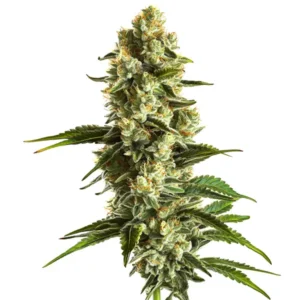
Banana Kush
 | THC | 17% - 21% (Medium) |
 | Type | Feminized |
 | Yield | High |
 | Phenotype | 60% Indica / 40% Sativa |
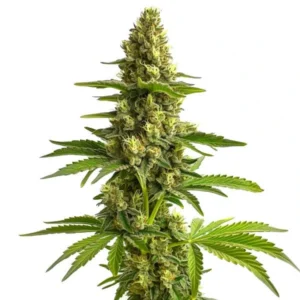
Bruce Banner #3
| | THC | 20% - 29% (High) |
| | Type | Feminized |
| | Yield | Medium |
| | Phenotype | 50% Indica / 50% Sativa |
Executing sap sampling effectively requires knowing specific techniques and methods. By following a cannabis sap sampling best practices guide, you can improve accuracy and ensure that your sampling reflects the true nutrient status of your plants. This way, you can make informed adjustments to your nutrient management plan.
Knowing Sap Sampling Techniques in Cannabis Cultivation
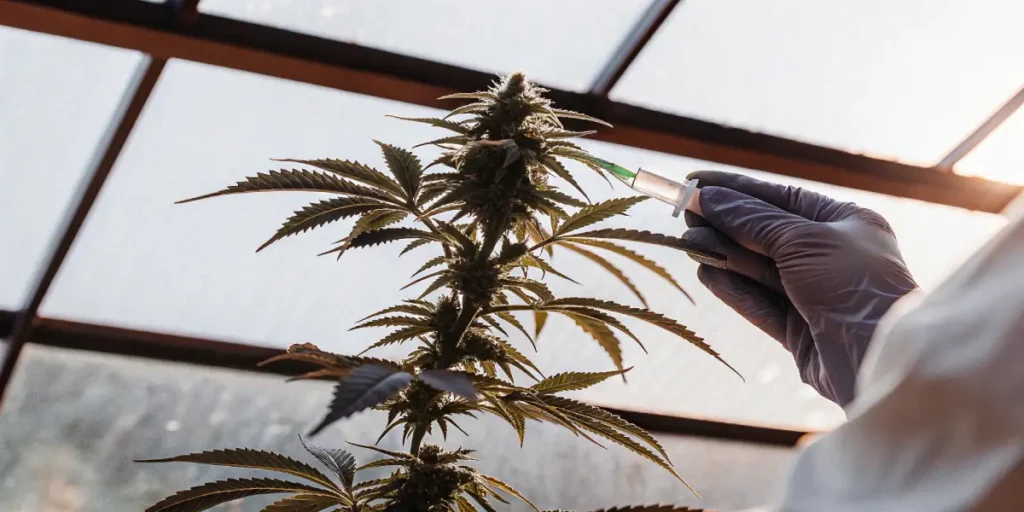
There are several sap sampling techniques in cannabis cultivation that growers can use. Each technique has its own advantages, and choosing the right one depends on your specific needs. The two main methods are stem sap sampling and leaf sap sampling. Both methods provide valuable insights but require careful execution to ensure accuracy.
Stem sap sampling involves extracting sap directly from the stem of the plant. This method is typically used for larger plants, as it allows for the collection of a larger volume of sap. On the other hand, leaf sap sampling is often more suitable for smaller plants or for sampling specific leaves that show signs of nutrient deficiencies. For example, when growing the Banana Kush strain from Blimburn Seeds, leaf sap sampling can be particularly useful for identifying nutrient imbalances.
Knowing the nuances of these sap sampling techniques in cannabis cultivation can make a significant difference in the final outcome of your crop. Growers who take the time to master these methods can fine-tune their nutrient management and avoid common pitfalls. The choice between stem and leaf sampling often depends on the growth stage and specific needs of the plant, making it crucial to evaluate each situation individually.
It’s also important to consider the tools required for each technique. Using the appropriate equipment not only enhances the accuracy of your samples but also minimizes potential damage to the plants. By integrating these techniques into your regular cultivation practices, you can ensure a more robust and healthy crop, ultimately leading to higher yields and better quality produce.
Optimizing Sap Sampling for Cannabis Plants
To optimize sap sampling for cannabis plants, timing is crucial. The best time to collect sap samples is during the early morning or late afternoon. At these times, the plant’s metabolic activities are stable, providing a more accurate snapshot of its nutrient status. This is especially important for strains that are known for their sensitivity to nutrient fluctuations, such as Bruce Banner #3 from Blimburn Seeds.
Another factor to consider is the sampling frequency. Regular sampling allows you to track changes in nutrient levels over time. For most strains, sampling every two weeks is sufficient. However, during critical growth phases, such as flowering, you may need to increase the frequency to weekly samples to ensure optimal plant health.
Consistency in timing and technique is a cornerstone of optimizing sap sampling for cannabis plants. By adhering to a strict schedule, growers can observe trends and make timely adjustments, preventing potential nutrient-related issues from escalating. This approach is particularly beneficial when dealing with high-value strains from Blimburn Seeds, where precision in nutrient management can lead to superior quality yields.
Besides to timing and frequency, the method of sap extraction can influence the results. Utilizing a cannabis sap sampling best practices guide can provide detailed insights into the most effective techniques, ensuring that each sample accurately reflects the plant’s nutrient status. This not only improves the quality of the data collected but also enhances the overall efficiency of the cultivation process.
Promos & Deals

Effective Sap Sampling Methods for Cannabis
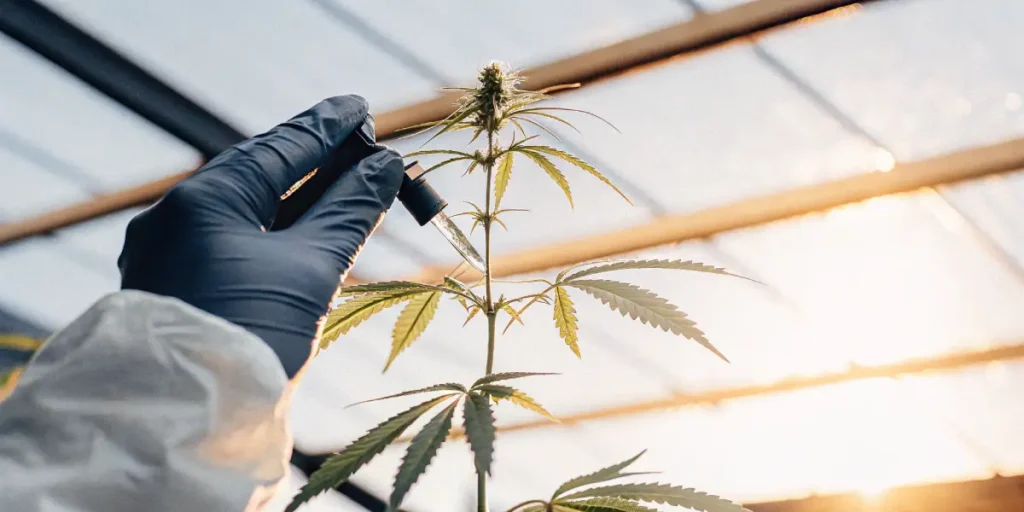
One effective sap sampling method for cannabis is using a sap press. A sap press allows you to extract sap from leaves or stems with minimal damage to the plant. This method is particularly useful for growers who need to sample multiple plants quickly. When using a sap press, ensure that you use consistent pressure to obtain uniform samples.
When collecting samples, it’s important to select representative plant material. Choose leaves or stems that are healthy and free of disease or pest damage. This ensures that your samples reflect the true nutrient status of your plants. Avoid sampling from plants that have recently been watered, as this can dilute the sap and skew your results.
Effective sap sampling methods for cannabis not only improve accuracy but also enhance the reliability of nutrient analysis. Utilizing a sap press streamlines the sampling process, allowing growers to handle larger volumes of plants without compromising on the quality of data. This is particularly advantageous for commercial growers utilizing Blimburn Seeds who require consistent quality across extensive cultivation spaces.
Moreover, knowing how to select and handle plant material is crucial for ensuring that your samples are representative of the entire crop. This often involves a comprehensive approach that considers various factors, such as the plant’s health and environmental conditions. By aligning these methods with a cannabis sap sampling best practices guide, growers can achieve more precise and actionable insights.
Improving Accuracy in Cannabis Sap Sampling
Improving accuracy in cannabis sap sampling involves careful attention to detail. Start by selecting the right plant parts for sampling. For instance, mature leaves typically provide a better indication of the plant’s overall nutrient status than young leaves, which may still be developing.
Consistency is key when it comes to sampling. Always collect samples at the same time of day and under similar environmental conditions. This reduces variability and makes it easier to compare results over time. Additionally, keep detailed records of your sampling process, including the date, time, weather conditions, and any observations about the plant’s appearance.
Accuracy in sap sampling can be significantly enhanced by incorporating technology and rigorous methodology. Using tools like a digital refractometer allows for precise measurement of nutrient concentrations, offering growers immediate feedback on their plants’ conditions. This technological integration complements traditional methods, providing a comprehensive picture of plant health.
Furthermore, maintaining meticulous records is essential for improving accuracy in cannabis sap sampling. Documenting every step of the process, from the selection of plant parts to the environmental conditions at the time of sampling, enables growers to track patterns and make informed decisions. Such practices ensure that the insights gained are both reliable and applicable, allowing for better optimization of nutrient management strategies.
FAQs about Best practices for sap sampling in cannabis
What is the purpose of sap sampling in cannabis cultivation?
Sap sampling in cannabis cultivation is used to monitor the nutrient status of your plants. By analyzing the sap, growers can identify nutrient deficiencies or imbalances early on, allowing them to adjust their nutrient management plans accordingly. This proactive approach helps maintain plant health and maximize yield.
For example, if you’re cultivating a nutrient-sensitive strain like Bruce Banner, sap sampling can alert you to potential issues before they affect plant growth. Regular sap analysis ensures that your plants receive the optimal balance of nutrients, leading to healthier growth and higher-quality buds.
The purpose of sap sampling in cannabis cultivation extends beyond immediate nutrient management. It also acts as a diagnostic tool that can help identify underlying issues affecting plant health. By knowing the nutrient dynamics within the plant, growers can prevent problems before they manifest physically, ensuring consistent quality and yield.
This proactive approach is particularly beneficial for high-stakes crops sourced from Blimburn Seeds, where even minor imbalances can have significant impacts on the final product. By incorporating best practices for sap sampling in cannabis into regular cultivation routines, growers can achieve a higher level of control over their plants’ development.
How often should sap sampling be conducted?
The frequency of sap sampling depends on the growth stage of your cannabis plants. During the vegetative stage, sampling every two weeks is generally sufficient. However, during critical stages such as flowering, weekly sampling may be necessary to closely monitor nutrient levels and prevent deficiencies.
By adhering to a consistent sampling schedule, growers can track nutrient trends over time and make informed decisions. This is particularly important for high-yield strains like GG4, where nutrient management directly impacts the quality and quantity of the harvest.
Regularity in sap sampling is crucial for capturing the dynamic changes in nutrient profiles throughout the plant’s life cycle. By aligning sampling frequency with the plant’s growth stages, growers can ensure that they are gathering relevant data that can inform timely interventions. This approach is a core aspect of any comprehensive cannabis sap sampling best practices guide.
Moreover, adjusting the frequency of sampling based on specific plant needs can further optimize results. For example, more frequent sampling might be warranted in environments where nutrient fluctuations are common, ensuring that growers using Blimburn Seeds strains can maintain the highest quality standards throughout the cultivation process.
Can sap sampling be used for all cannabis strains?
Sap sampling is a versatile technique that can be used for all cannabis strains. Whether you’re growing a classic strain like Banana Kush or exploring new hybrids, sap sampling provides valuable insights into the nutrient needs of your plants. By tailoring your nutrient regimen based on sap analysis, you can optimize growth for any strain.
Different strains have unique nutrient requirements, and sap sampling helps identify these specific needs. This tailored approach ensures that each plant receives the nutrients it needs to thrive, leading to better overall plant health and increased yields.
The adaptability of sap sampling makes it an invaluable tool for growers working with a diverse range of strains, including those from Blimburn Seeds. This versatility allows for precision in nutrient management, regardless of the specific characteristics or requirements of the strain being cultivated.
Implementing sap sampling techniques in cannabis cultivation not only aids in knowing each strain’s nutrient profile but also enhances the grower’s ability to customize care strategies. This personalized approach ensures that every plant is nurtured to its full potential, resulting in consistently high-quality harvests.
What are the key tools needed for sap sampling?
Key tools for sap sampling include a sap press, clean scissors or a knife, sterilized containers for sample collection, and a digital refractometer for nutrient analysis. These tools help ensure accurate and reliable results, making it easier to monitor your plants’ nutrient status.
Using the right tools minimizes the risk of contamination and ensures consistency in your sampling process. By investing in quality equipment, you can enhance the precision of your sap sampling efforts and make more informed decisions about your nutrient management strategies.
The selection of appropriate tools is a fundamental part of effective sap sampling methods for cannabis. High-quality instruments not only improve the accuracy of readings but also streamline the sampling process, allowing for more frequent and consistent data collection without compromising plant integrity.
For growers using strains from Blimburn Seeds, investing in reliable tools is a critical step towards implementing a successful nutrient management program. By ensuring that each component of the sampling process is meticulously controlled, growers can achieve greater consistency and quality in their final product, reinforcing the importance of best practices for sap sampling in cannabis.
Is there a specific time of day that’s best for sap sampling?
The best time for sap sampling is during the early morning or late afternoon. During these times, the plant’s metabolic activities are stable, providing an accurate representation of its nutrient status. Consistent sampling times also help reduce variability in your results.
Sampling during these optimal times ensures that your analysis reflects the true nutrient levels in your plants. This consistency is essential for making accurate comparisons over time and implementing effective nutrient management practices. By following this timing guideline, you can improve the accuracy of your sap sampling results.
Timing plays a crucial role in improving accuracy in cannabis sap sampling. By selecting the optimal periods of the day, growers can minimize variations caused by environmental factors, ensuring that the data collected is both precise and reflective of the plant’s actual condition.
For those cultivating sensitive strains from Blimburn Seeds, adhering to specific timing guidelines can be the difference between a successful grow and a compromised crop. By integrating these best practices for sap sampling in cannabis into their routine, growers can achieve a higher degree of control and predictability in their cultivation outcomes.