Does Cannabis Allelopathy Affect Yield or Potency?

Cannabis cultivation is both an art and a science. As a grower, whether you’re nurturing your first plant or managing a full-scale grow operation, knowing the intricacies of how plants interact is essential. One concept that might intrigue and even surprise you is allelopathy. This natural phenomenon can influence how your cannabis plants grow, affecting both yield and potency. Many cultivators wonder, does cannabis allelopathy affect yield or potency? Knowing this relationship can help optimize plant health, maximize harvests, and maintain cannabinoid balance.
Allelopathy refers to the chemical warfare that plants engage in by releasing compounds to influence the growth and development of neighboring plants. But does cannabis allelopathy affect yield or potency? Let’s delve into this fascinating subject and explore how it might impact your growing experience.
Recommended Strains
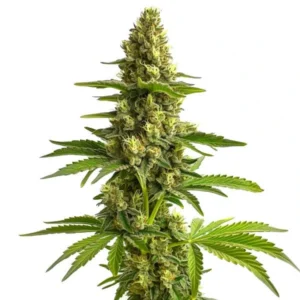
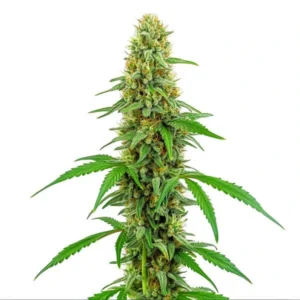
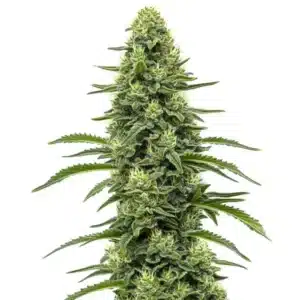
Bruce Banner #3
 | THC | 20% - 29% (High) |
 | Type | Feminized |
 | Yield | Medium |
 | Phenotype | 50% Indica / 50% Sativa |
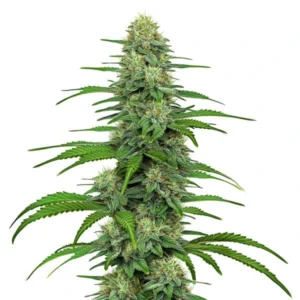
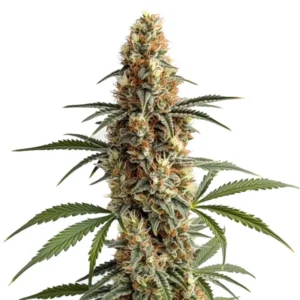
GG4
| | THC | 27% (High) |
| | Type | Feminized |
| | Yield | High |
| | Phenotype | 40% Indica / 60% Sativa |
In this article, we’ll explore the principles of allelopathy, discuss its potential effects on cannabis, and provide practical advice on harnessing or mitigating these effects. We’ll also spotlight some incredible strains from Blimburn Seeds that might benefit from a well-considered growing strategy.
Knowing Allelopathy in Cannabis
Allelopathy is a biological phenomenon where plants release biochemicals known as allelochemicals into the environment. These chemicals can inhibit or enhance the germination, growth, survival, and reproduction of other plant species. In the world of cannabis, knowing this process can be a game-changer. Many growers also wonder, does cannabis allelopathy affect yield or potency? Knowing how these natural interactions influence plant development can help optimize growth conditions and maximize harvest quality.
What Are Allelochemicals?
Allelochemicals are secondary metabolites produced by plants. Unlike primary metabolites necessary for growth and reproduction, secondary metabolites play a role in the plant’s interaction with its environment. These compounds can be released through roots, leaves, and even decaying plant matter.
In cannabis, allelochemicals can create an environment that is either conducive or detrimental to the growth of neighboring plants. This can affect your cannabis crop’s yield and potency, depending on which plants are growing in proximity.
Allelopathy’s Role in Nature
In natural ecosystems, allelopathy helps plants compete for resources such as light, water, and nutrients. Some plants release chemicals that suppress the growth of others, ensuring they have less competition. In a controlled grow environment, knowing these interactions can be crucial for optimizing plant health and productivity.
When growing cannabis, acknowledging these interactions can help you make informed decisions about which plants to grow together and how to manage your grow space effectively.
Promos & Deals
Does Cannabis Allelopathy Affect Yield or Potency?
The question at the forefront of many growers’ minds: does cannabis allelopathy affect yield or potency? The answer is multifaceted, as it depends on various factors including the strains being grown, the growing conditions, and the management practices employed.
Impact on Yield
The cannabis allelopathy impact on yield can be significant. If cannabis plants release allelochemicals that inhibit the growth of neighboring plants, it can lead to reduced competition for resources, potentially increasing the yield of those plants that are less affected or benefit from the chemicals.
For example, growing strains like GG4 and Bruce Banner #3 together might see different results based on their response to allelochemicals in the soil. Some strains might thrive, while others might struggle, highlighting the importance of strain selection and observation.
Impact on Potency
Potency, defined by the concentration of cannabinoids like THC and CBD, can also be influenced by allelopathic interactions. If a cannabis plant experiences less stress due to reduced competition, it might allocate more energy to producing potent buds.
Strains such as Purple Lemonade Autoflower are known for their robust potency. Ensuring these plants are grown in an environment where allelochemicals positively affect them could enhance their natural strengths, resulting in even more potent harvests.
Managing Allelopathy in Cannabis Cultivation
Knowing and managing allelopathy can be a crucial part of your growing strategy. By selecting the right strains and optimizing your grow environment, you can harness the benefits of allelopathic interactions while minimizing any negative impacts.
Cultivation Techniques
- Companion Planting: Choose companion plants that either have a neutral or beneficial allelopathic effect on cannabis. This can help optimize growth conditions.
- Soil Management: Regularly test your soil and amend it as necessary to ensure that allelochemicals are at non-toxic levels. This can help maintain a balanced environment for your cannabis plants.
- Strain Selection: Select strains that are known for their strong resilience to environmental stresses, such as Gorilla Sherbet or Green Crack.
Monitoring and Adjusting
Regular monitoring of plant health and growth patterns can provide insights into how allelopathy is affecting your cannabis plants. If certain plants are underperforming, consider altering the growing setup or changing the plant pairings.
By paying close attention to how your plants interact with one another, you can make informed decisions that maximize yield and potency. This might involve rotating strains or experimenting with different companion plants.
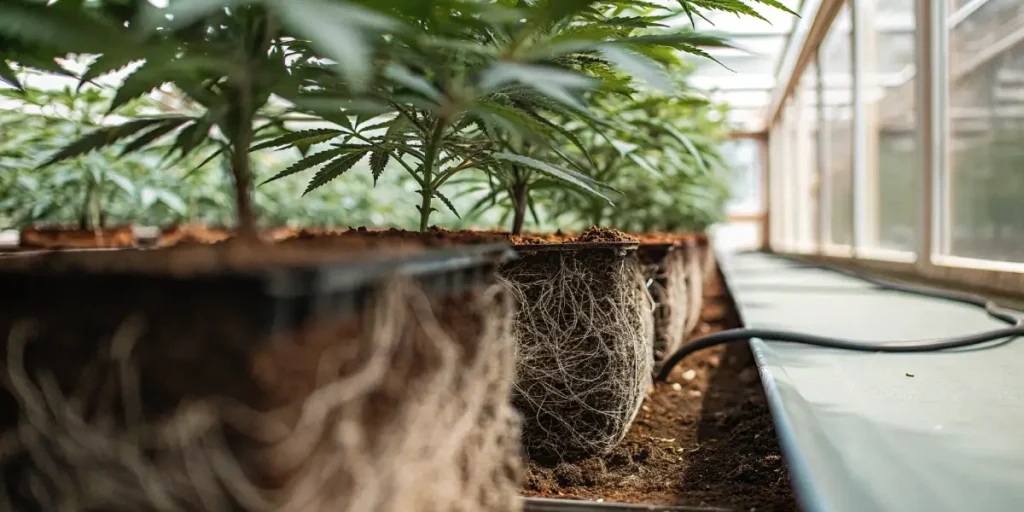
FAQs about Does cannabis allelopathy affect yield or potency
What is allelopathy in cannabis cultivation?
Allelopathy in cannabis cultivation refers to the chemical interactions between cannabis plants and their neighbors. These interactions are mediated by allelochemicals, which can influence the growth, health, and productivity of the plants involved. Knowing these interactions can help growers make better choices about plant pairings and cultivation strategies.
In a cannabis grow room, allelopathy might manifest as increased or decreased growth rates, altered yield, or changes in potency. Identifying and managing these effects can be crucial for optimizing your grow operation and ensuring the best possible results.
How can I mitigate negative allelopathic effects in my grow room?
Mitigating negative allelopathic effects involves careful planning and management. One effective approach is to practice companion planting with species that have neutral or positive interactions with cannabis. Additionally, maintaining healthy soil through regular testing and amendments can help buffer against harmful allelochemicals.
Another strategy is to rotate your crops and switch up the plant pairings regularly. This prevents any single allelopathic interaction from becoming too dominant and allows you to observe and adjust your growing strategy based on plant performance.
Are certain cannabis strains more prone to allelopathy?
Yes, some cannabis strains may be more susceptible to allelopathic effects due to their genetic makeup and growth characteristics. For instance, strains like Mamba Negra and Ricky Bobby might react differently to allelochemicals compared to more resilient strains such as Zombie Death Fuck or Bruce Banner #3.
Choosing the right strains involves considering their known responses to environmental stresses, including allelopathy. Consulting with experienced growers or seed providers like Blimburn Seeds can offer valuable insights into which strains are best suited for your growing environment.
Can allelopathy enhance cannabis potency?
While allelopathy can potentially enhance cannabis potency, it largely depends on the specific interactions and growing conditions. When plants experience less stress from competition due to beneficial allelopathic effects, they might allocate more resources towards producing cannabinoids, thereby increasing potency.
However, not all allelopathic interactions will lead to increased potency. Monitoring and adjusting the growing conditions to support positive allelopathic interactions can help you achieve the desired potency in your cannabis crops.
What are some signs of allelopathic stress in cannabis plants?
Signs of allelopathic stress in cannabis plants can include stunted growth, yellowing leaves, or reduced yield. These symptoms might indicate that the plants are struggling against negative allelochemical interactions. Observing these signs early can help you take corrective action.
Regularly inspecting your plants and maintaining detailed records of their growth can help identify patterns that suggest allelopathic stress. By addressing these issues promptly, you can help ensure healthy and productive cannabis plants.