Discover What Causes Nutrient Lockout in Weed Plants: Expert Tips

In the world of cannabis cultivation, nutrient lockout is a common challenge that can affect both novice and experienced growers. This issue occurs when your plants are unable to absorb the essential nutrients they need, even when those nutrients are present in the soil or growing medium. Recognizing and addressing what causes nutrient lockout in weed plants is crucial for maintaining a healthy crop.
One of the first signs of nutrient lockout is the appearance of nutrient lockout symptoms in cannabis plants. These symptoms may include discoloration of leaves, stunted growth, and poor bud development. It’s important to note that these symptoms can mimic other issues, so careful diagnosis is key.
Recommended Strains
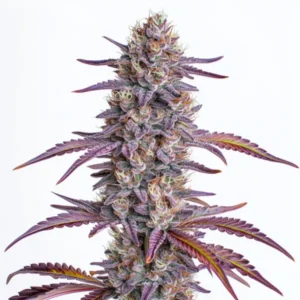


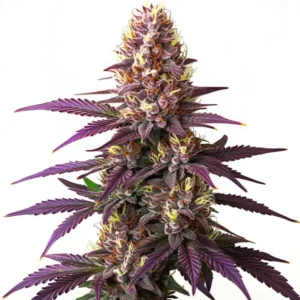
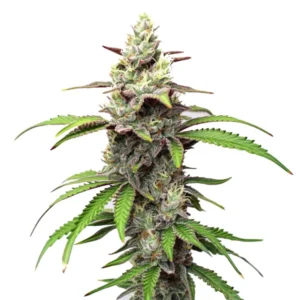
For instance, if you’re growing a strain like Blueberry from Blimburn Seeds, you might notice yellowing leaves or brown spots, which can signal nutrient lockout. By knowing what causes nutrient lockout in weed plants, you can take proactive steps to ensure your cannabis plants thrive.
Common Causes of Nutrient Lockout in Weed Growth
Several factors leading to nutrient lockout in weed plants can contribute to this issue. pH imbalances are one of the primary culprits. Cannabis plants thrive in a specific pH range, typically between 6.0 and 7.0 for soil and 5.5 to 6.5 for hydroponics. When the pH level is outside this range, nutrients become unavailable to the plant, even if they’re present in the growing medium.
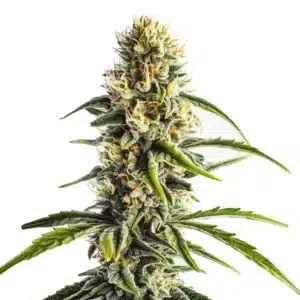
For example, if you’re growing Glookies from Blimburn Seeds and notice nutrient deficiencies despite regular feeding, it’s time to check the pH. A simple pH test can reveal if an imbalance is the cause of your issues and help guide your adjustments.
Besides to pH imbalances, the use of low-quality fertilizers can also be among the causes of nutrient lockout in weed growth. Inferior products might not dissolve properly, leading to uneven nutrient distribution and uptake issues. It’s essential to invest in high-quality nutrient solutions specifically designed for cannabis to avoid this potential pitfall.
Environmental factors such as temperature and humidity can also influence nutrient uptake. Extreme temperatures can stress plants, making them less efficient at absorbing nutrients. Similarly, high humidity levels can lead to root diseases, further exacerbating nutrient lockout symptoms in cannabis plants. Maintaining optimal environmental conditions is key to preventing these additional factors from contributing to nutrient lockout.
Preventing Nutrient Lockout in Marijuana Cultivation
Preventing nutrient lockout in marijuana cultivation starts with proper pH management. Regularly test the pH of your growing medium and water to ensure it stays within the ideal range. Adjusting pH levels can be done using pH up or down products, which are readily available at gardening stores.
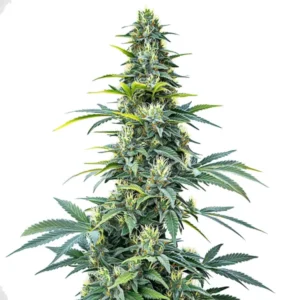
Besides, use a balanced nutrient solution designed for cannabis plants. Products that provide a complete spectrum of nutrients can help prevent deficiencies that might lead to nutrient lockout. When cultivating a strain like OG Kush from Blimburn Seeds, choosing the right nutrient solution is vital for optimal growth.
Another effective strategy in preventing nutrient lockout in marijuana cultivation is to establish a consistent watering schedule. Overwatering can lead to nutrient leaching, while underwatering can concentrate salts in the soil, both of which can result in nutrient lockout. Observing your plants and adjusting watering practices as needed can help maintain the balance.
Using beneficial microbes and mycorrhizae can also enhance nutrient uptake and prevent lockout. These natural soil additives improve the root environment, making it easier for plants to access the nutrients they need. Incorporating these into your growing routine can be a proactive step in ensuring healthy plant development.
Promos & Deals

Solutions for Nutrient Lockout in Cannabis
Finding solutions for nutrient lockout in cannabis involves addressing the specific causes. If pH imbalance is the issue, correcting it should be your first step. Use a pH meter or test strips to determine the current level, and adjust accordingly.
In cases where nutrient buildup is the problem, flushing your growing medium can be effective. This involves running a significant amount of water through the medium to wash away excess salts. After flushing, resume feeding with a diluted nutrient solution to prevent further buildup.
It’s also beneficial to incorporate microbial inoculants into your growing routine. These products contain beneficial bacteria and fungi that enhance nutrient uptake and improve soil health. When used in conjunction with proper pH management, they can be a powerful tool in preventing nutrient lockout in marijuana cultivation.
Regularly observing your plants for early signs of stress can also aid in finding timely solutions for nutrient lockout in cannabis. By catching issues early, you can address them before they escalate, ensuring a healthier crop overall. This vigilance, paired with knowledge about what causes nutrient lockout in weed plants, can greatly enhance your cultivation success.

FAQs about what causes nutrient lockout in weed plants
What are the signs of nutrient lockout in weed plants?
Signs of nutrient lockout can vary but often include yellowing or browning of leaves, stunted growth, and poor bud formation. These symptoms can be mistaken for other nutrient deficiencies, so it’s important to consider the overall health of your plant and other environmental factors.
For example, if you’re growing a Blimburn Seeds strain and notice these symptoms despite using a balanced nutrient solution, nutrient lockout might be the issue. Regular checks of pH levels and nutrient buildup can help confirm your diagnosis.
Nutrient lockout symptoms in cannabis plants may also include curling leaves and weakened stems. These physical changes indicate that the plant is struggling to access necessary nutrients, even if they are present. Addressing the underlying causes quickly is vital to restoring plant health.
Additionally, poor flowering and reduced yield are significant signs that nutrient lockout might be occurring. If your plants are not developing as expected, and other factors have been ruled out, it’s worth investigating pH levels and nutrient concentrations as potential culprits.
How can I test for nutrient lockout in cannabis plants?
Testing for nutrient lockout involves monitoring the pH and electrical conductivity (EC) of your growing medium. pH testing kits and EC meters are widely available and provide a clear picture of your growing conditions. Regular testing can prevent nutrient lockout symptoms in cannabis plants.
With a strain like Blueberry, consistent testing ensures that your plants are receiving the nutrients they need. If you find an imbalance, you can take corrective measures quickly to prevent further damage.
Besides to pH and EC testing, visual inspections of your plants can also help identify potential nutrient lockout issues. Look for signs such as leaf discoloration and abnormal growth patterns, which can indicate that nutrient uptake is being hindered.
Documenting any changes in your plants’ appearance over time can also be beneficial. Keeping a grow journal allows you to track modifications in feeding schedules or environmental conditions, helping you pinpoint when and why nutrient lockout might have occurred.
Why is pH important in preventing nutrient lockout?
pH is crucial because it determines the availability of nutrients to your cannabis plants. If the pH is too high or too low, certain nutrients become inaccessible, leading to deficiencies and nutrient lockout. Maintaining the correct pH level ensures that your plants can absorb the nutrients present in the soil or solution.
For strains like Glookies from Blimburn Seeds, ensuring the pH is within the optimal range is essential for preventing nutrient lockout and promoting robust growth and flowering.
The importance of pH extends beyond just nutrient availability; it also affects the microbial life within your growing medium. A balanced pH supports beneficial microorganisms that aid in nutrient breakdown and absorption, further preventing nutrient lockout symptoms in cannabis plants.
Adjusting pH levels can often have immediate positive effects on plant health. By keeping a close eye on pH fluctuations and making timely corrections, you can minimize the risk of nutrient lockout and ensure your plants are thriving.
Can over-fertilization cause nutrient lockout?
Yes, over-fertilization is a common cause of nutrient lockout. When you provide too many nutrients, especially in hydroponic systems, salts can build up and prevent nutrient uptake. This leads to the symptoms of nutrient lockout despite the presence of necessary nutrients.
To avoid this, follow the recommended feeding schedule and adjust as needed based on your plant’s response. Regular flushing and the use of a balanced nutrient solution can help mitigate this risk.
Over-fertilization not only contributes to salt buildup but can also cause osmotic stress, where the plant roots struggle to absorb water due to high nutrient concentration. This stress further exacerbates the problem, making it crucial to manage nutrient levels carefully.
Using organic fertilizers can be a safer alternative, as they tend to release nutrients more slowly, reducing the risk of buildup. These products can be particularly beneficial for beginner growers looking to learn how to avoid what causes nutrient lockout in weed plants.
What are the best strains from Blimburn Seeds for beginners?
For beginners, strains like OG Kush, Blueberry, and Glookies from Blimburn Seeds are excellent choices. These strains are known for their resilience and adaptability, making them more forgiving to common mistakes, including nutrient lockout.
These strains also have a reputation for producing high-quality yields, even for those new to cannabis cultivation. By paying attention to the factors leading to nutrient lockout in weed plants, beginners can enjoy a successful and rewarding growing experience.
Besides to their forgiving nature, these strains offer a variety of growth patterns and flowering times, providing beginners with a broad spectrum of experiences. This diversity can help new growers develop a more comprehensive knowing of cannabis cultivation.
Furthermore, Blimburn Seeds’ strains are well-documented, providing ample resources and community support. This accessibility can be invaluable for beginners seeking advice on preventing nutrient lockout in marijuana cultivation and optimizing their growing practices.