Cannabis Plant Testing Methods: Tissue vs Sap

When it comes to optimizing cannabis cultivation, knowing the health and nutrient needs of the plant is crucial. This is where Cannabis plant testing methods: tissue vs sap become essential. Both approaches provide valuable insights into nutrient levels and overall plant vitality, yet they differ in timing, accuracy, and purpose. For both first-time cannabis seed buyers and seasoned growers, knowing these testing methods can significantly enhance plant health, nutrient balance, and overall yield.
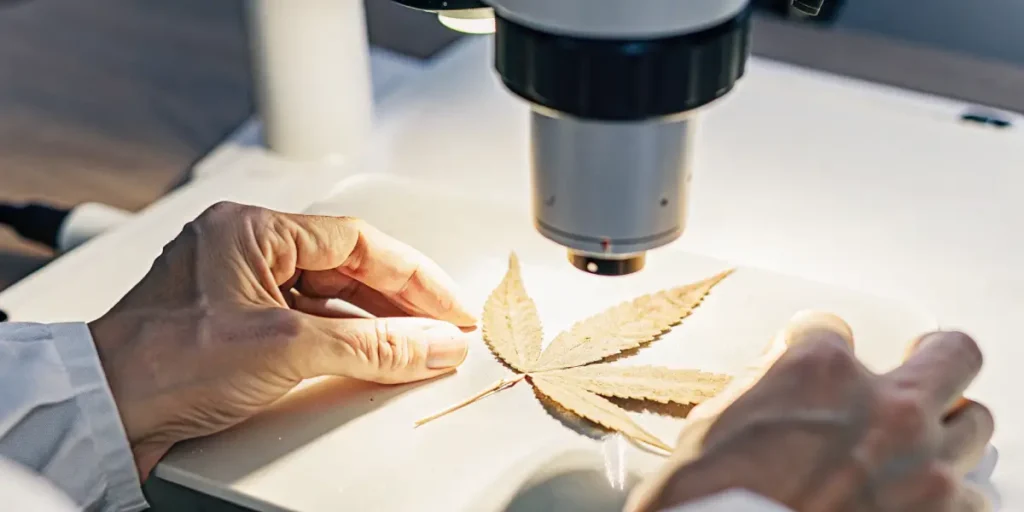
Cannabis plant tissue testing involves analyzing the actual plant material to determine nutrient levels. This method is often praised for its accuracy and reliability. On the other hand, sap testing involves extracting the fluid from the plant’s vascular system, providing a snapshot of the plant’s current nutrient uptake. Sap testing is known for its ability to offer real-time results.
Recommended Strains
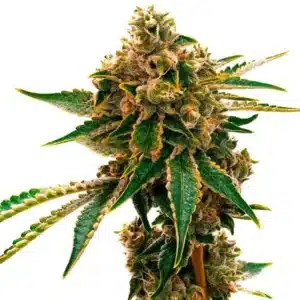
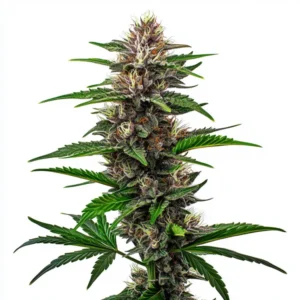
Mango Kush
 | THC | 11% - 20% (Medium) |
 | Type | Feminized |
 | Yield | Medium |
 | Phenotype | 80% Indica / 20% Sativa |

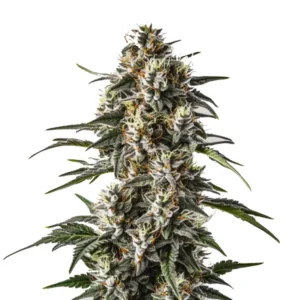
Purple Punch
| | THC | 15% - 20% (Medium) |
| | Type | Feminized |
| | Yield | High |
| | Phenotype | 80% Indica / 20% Sativa |
Each testing method has its advantages and can be suited to different cultivation needs. In this article, we’ll explore the differences, benefits, and practical applications of these methods, helping you make an informed decision for your cannabis cultivation journey.
The Outcomes and Benefits
Both cannabis plant tissue testing and sap testing offer unique outcomes. Tissue testing focuses on the long-term nutrient content stored in the plant, which is essential for identifying deficiencies or toxicities that have accumulated over time. This method is beneficial for planning future nutrient applications and ensuring consistent plant health.
On the other hand, sap testing provides immediate insights into the plant’s current nutrient uptake. This is particularly advantageous for making quick adjustments to nutrient feeding regimens. The accuracy of sap testing in cannabis cultivation can help growers respond swiftly to changes in plant needs, leading to healthier plants and potentially higher yields.
Promos & Deals



Choosing Between Tissue and Sap Testing for Cannabis
Selecting the appropriate testing method depends on your specific cultivation goals. If you’re looking for a comprehensive analysis of your plant’s historical nutrient status, cannabis plant tissue testing benefits you by highlighting accumulated deficiencies. It’s an ideal choice for strategic, long-term planning.
Conversely, if your goal is to understand and react to the immediate nutrient needs of your plants, sap testing accuracy in cannabis is invaluable. This method allows for real-time adjustments that can prevent nutrient-related issues from escalating.
Strain Recommendations for Optimal Testing Results
Mango Kush
Mango Kush is a popular strain known for its sweet, tropical aroma and relaxing effects. It’s a predominantly indica strain that thrives with careful nutrient management, making it a great candidate for both tissue and sap testing methods. These tests can help ensure the plant receives balanced nutrition for optimal growth.
- Yield: Medium
- Flowering Time: 8-10 weeks
- THC: 11-20%
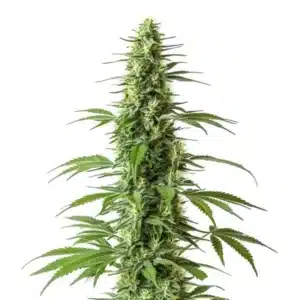
Purple Punch
Purple Punch is an indica-dominant hybrid lauded for its punchy flavor and calming effects. Effective nutrient monitoring through cannabis plant testing methods like tissue and sap can enhance its yield and potency. This strain benefits from both long-term nutrient stability and immediate nutrient adjustments.
- Yield: Medium
- Flowering Time: 7-8 weeks
- THC: 15-20%
Z OG
Z OG is a vibrant strain that offers a fruity explosion of flavors. A balanced hybrid, it flourishes under precise nutrient management. Cannabis tissue vs sap nutrient analysis for this strain can help optimize its growth and flavor profile by ensuring the right balance of nutrients throughout its life cycle.
- Yield: Medium
- Flowering Time: 8-10 weeks
- THC: 16-20%
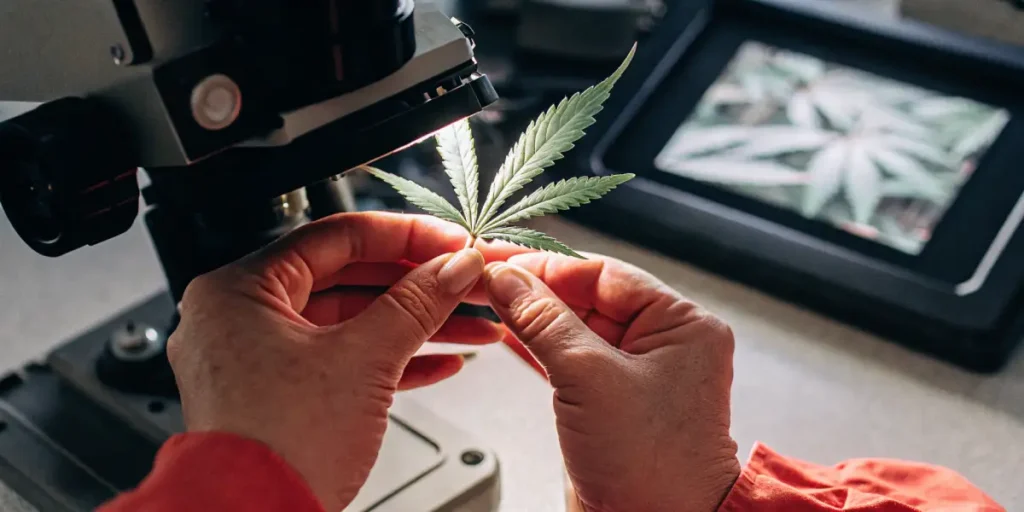
Comparing Cannabis Testing Methods in Practice
When it comes to practical application, both cannabis plant testing methods: tissue vs sap have their place in a grower’s toolkit. Tissue testing is typically performed at specific growth stages to establish a baseline of nutrient content, while sap testing can be conducted more frequently, offering a real-time view of nutrient absorption and plant health.
Growers often find that integrating both methods provides a holistic knowing of plant health. By combining insights from tissue analysis and sap testing, one can make informed decisions that balance long-term planning with immediate needs.
FAQs on Cannabis plant testing methods: tissue vs sap
What are the main advantages of sap testing in cannabis cultivation?
Sap testing offers several advantages in cannabis cultivation. First, it provides real-time data on the plant’s actual nutrient uptake, allowing growers to make quick adjustments to their feeding regimens. This can lead to more consistent growth and potentially higher yields, as nutrient imbalances can be addressed promptly.
Another advantage is that sap testing can detect early signs of nutrient deficiencies or toxicities before they become visible. This proactive approach can prevent common issues related to nutrient imbalances, ultimately supporting healthier plant development throughout the growing cycle.
How does cannabis plant tissue testing benefit growers?
Cannabis plant tissue testing is beneficial for growers who aim for long-term nutrient management. By analyzing the nutrient content in plant tissues, growers can identify past deficiencies or excesses that may have affected plant growth. This information serves as a guide for future nutrient applications, helping to achieve balanced nutrition in subsequent growth cycles.
Moreover, tissue testing can help verify the effectiveness of nutrient regimens over time. By comparing tissue test results across different growth stages, growers can refine their strategies to optimize plant health and yield.
Can sap and tissue testing be used together effectively?
Yes, using both sap and tissue testing together can be highly effective. This dual approach offers a comprehensive view of plant health by combining the long-term analysis of tissue testing with the immediate feedback provided by sap testing. Together, these methods can guide growers in making informed nutrient management decisions.
Integrating both testing methods allows for a more nuanced knowing of plant needs. While sap testing helps with quick adjustments, tissue testing provides insights for strategic planning, ensuring plants receive the right nutrients at the right time.
What are the differences in accuracy between sap and tissue tests?
The accuracy of sap testing in cannabis lies in its ability to reflect the plant’s current nutrient uptake, providing immediate and actionable data. This method is particularly useful for identifying recent changes in nutrient absorption, which can lead to timely interventions and adjustments.
In contrast, tissue testing offers accuracy in assessing the historical nutrient status of the plant. It measures the cumulative nutrient content over time, which is crucial for knowing long-term trends and planning future nutrient applications.
Which testing method is best for my cannabis cultivation needs?
The best testing method depends on your specific cultivation objectives. If you prioritize real-time insights and quick responses to nutrient changes, sap testing is ideal. It provides immediate data that can help prevent nutrient deficiencies and excesses.
However, if your goal is to understand and manage long-term nutrient trends, tissue testing should be your choice. It offers a comprehensive view of nutrient levels over time, aiding in the development of effective nutrient management strategies.