Allelopathy and Microbial Life in Cannabis Soil

Growing cannabis is an art and a science. If you want to grow healthy plants, knowing the soil environment is key. Two important factors are allelopathy and microbial life in cannabis soil. These can greatly affect how well your cannabis plants grow, from the roots to the buds.
Allelopathy is a plant’s way of interacting with its neighbors. Some plants release chemicals into the soil that can help or hinder the growth of nearby plants. This interaction is vital for cannabis growers to consider, especially when planning your garden layout.
Recommended Strains
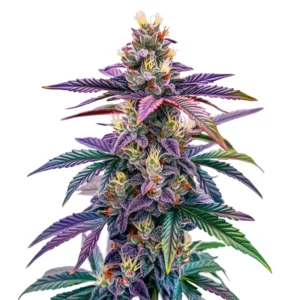
Blue Dream Autoflower
 | THC | 10% - 13% (Low) |
 | Type | Autoflowering |
 | Yield | Medium |
 | Phenotype | 30% Indica / 70% Sativa |
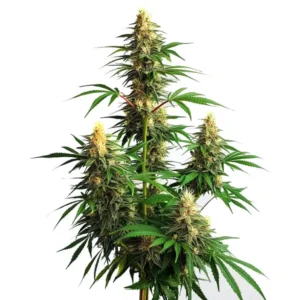
Amnesia Haze Auto
| | THC | 16% - 17% (Medium) |
| | Type | Autoflowering |
| | Yield | Low |
| | Phenotype | 25% Indica / 75% Sativa |
Microbial life in cannabis soil, including bacteria and fungi, also plays a crucial role. These microscopic organisms help break down organic matter, making nutrients more accessible to your plants. They also protect your plants from harmful pathogens. Knowing how to cultivate a healthy soil microbiome can lead to more robust cannabis plants.
Knowing Allelopathy in Cannabis Cultivation
Allelopathy can either be a friend or foe to your cannabis plants. Some plants release beneficial chemicals that promote growth, while others might release toxins that inhibit it. Knowing allelopathy and microbial life in cannabis soil is essential, as both factors influence plant interactions, nutrient availability, and overall soil health. Knowing which plants to pair with cannabis can make a big difference in your garden’s success.
Allelopathy Effects on Cannabis Soil
Allelopathy effects on cannabis soil can vary greatly. For example, plants like sunflowers are known to release chemicals that can suppress weed growth. However, these same chemicals might not be ideal for cannabis. It’s important to research and choose companion plants wisely.
When planning your garden, consider using plants that are known to be beneficial to cannabis. These plants can improve soil health, deter pests, and even enhance the flavor profile of your buds. Herbs like basil and clover are often good companions for cannabis due to their positive allelopathic effects.
Practical Tips for Managing Allelopathy
To manage allelopathy in your cannabis garden, start by observing your plants. If you notice stunted growth or discoloration, allelopathic interactions might be to blame. Consider removing nearby plants that could be causing harm.
Another tip is to rotate your crops yearly. This practice can help prevent the build-up of harmful allelopathic chemicals in your soil. Additionally, regularly testing your soil can provide insights into any chemical imbalances that might affect plant growth.
Promos & Deals
The Importance of Microbial Life in Cannabis Soil
Microbial life in cannabis soil is like the unseen workforce that keeps your garden thriving. Beneficial microbes break down organic material, turning it into nutrients your plants can absorb. They also help protect against soil-borne diseases.
Building a Healthy Soil Microbiome
Building a healthy soil microbiome starts with using quality organic matter. Compost, worm castings, and well-rotted manure are excellent choices. These materials introduce a diverse array of microbes into your soil, promoting nutrient cycling.
It’s also beneficial to use microbial inoculants. These products are designed to introduce or boost populations of beneficial bacteria and fungi. Regularly applying these can enhance nutrient uptake and plant resilience.
Microbial Interactions with Cannabis Roots
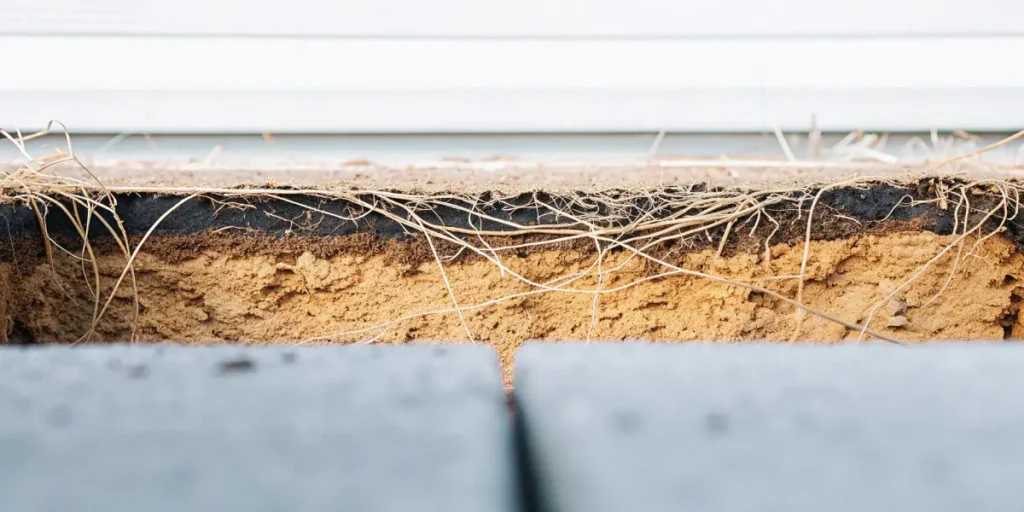
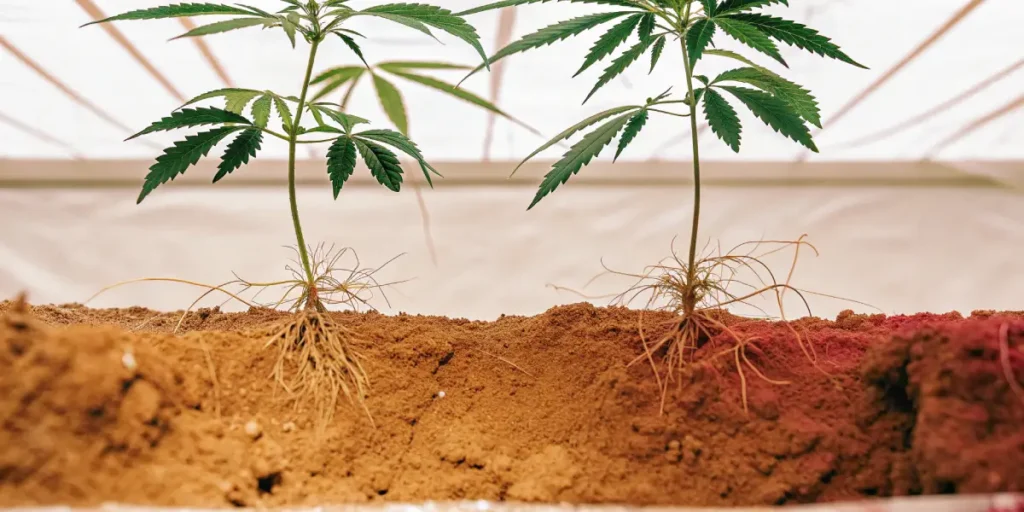
The root zone, or rhizosphere, is where most microbial action happens. Microbes form symbiotic relationships with cannabis roots, exchanging nutrients and sugars for mutual benefit. This interaction not only boosts plant growth but also helps with stress resistance.
To support this, keep your soil well-aerated and avoid overwatering. Waterlogged soil can lead to anaerobic conditions, which harm beneficial microbes. Good drainage and proper watering techniques are crucial for maintaining a healthy microbial community.
Strains That Thrive with Robust Soil Practices
Choosing the right cannabis strain can make all the difference, especially when combined with sound soil practices. Some strains are particularly responsive to healthy soil environments and can reward you with bountiful yields.
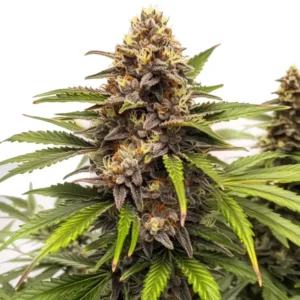
Amnesia Haze Autoflower
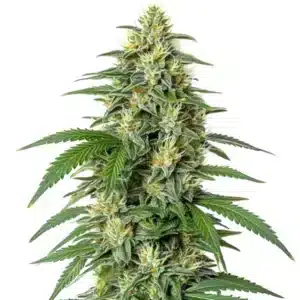
Amnesia Haze Autoflower is a classic variety that flourishes in living soil enriched with organic matter. Its vigorous root system benefits from active microbial life, resulting in dense, resinous buds packed with citrus and earthy aromas. Regular compost teas and microbial inoculants can greatly enhance this strain’s natural productivity.
Gorilla Blue Auto
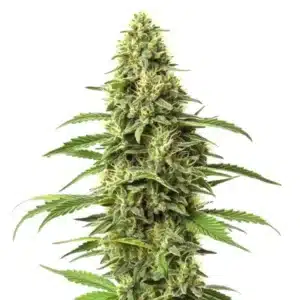
Gorilla Blue Auto is an autoflowering powerhouse that loves nutrient-rich, microbe-friendly soil. This strain performs exceptionally well when grown with organic amendments that promote strong root development. A well-balanced soil ecosystem helps maximize its THC potential and sticky resin production.
Blue Dream Autoflower
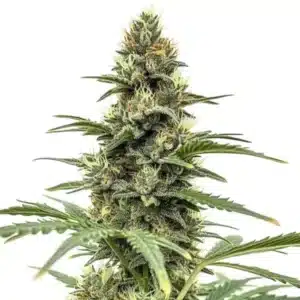
Blue Dream Autoflower thrives in soils teeming with beneficial fungi and bacteria. These microbes improve nutrient absorption and help the plant resist stress, leading to bigger, more aromatic harvests. Combining this strain with compost, worm castings, and good aeration will bring out its full potential.
FAQs about Allelopathy and microbial life in cannabis soil
What is allelopathy, and how does it affect cannabis soil?
Allelopathy refers to the chemical interactions between plants that influence each other’s growth. In the context of cannabis soil, allelopathy can either help or hinder plant development. Some plants release chemicals that promote growth, while others may release toxins that inhibit neighboring plants. Knowing these interactions is crucial for optimizing your cannabis garden layout.
For instance, certain plants can support cannabis growth by releasing beneficial allelopathic chemicals. However, if not managed correctly, negative allelopathy can lead to poor cannabis yields. It’s essential to choose companion plants wisely and monitor your garden for any signs of allelopathic stress.
How can I enhance microbial life in my cannabis soil?
Enhancing microbial life in your cannabis soil involves creating an environment conducive to microbial growth. Start by incorporating organic matter such as compost or worm castings, which provide food for beneficial microbes. These materials support nutrient cycling and improve soil structure.
Additionally, using microbial inoculants can introduce or boost beneficial bacteria and fungi in your soil. Regular applications of these products can improve nutrient uptake and plant health. Avoid practices that harm microbes, such as overwatering or using chemical fertilizers, to maintain a thriving soil ecosystem.
Which cannabis strains are best for soil-based cultivation?
Several cannabis strains are particularly well-suited for soil-based cultivation, where microbial life is a focus. Gorilla Blue, for example, thrives in rich organic soil and benefits from robust microbial interactions, leading to potent, sticky buds. Another excellent choice is Blue Dream Autoflower, which grows well in nutrient-rich environments supported by a healthy soil microbiome.
Amnesia Haze Auto is also a great option for soil cultivation, especially with its rapid growth demands. This strain performs best when supported by a diverse microbial community that can supply ample nutrients quickly. These strains can provide rewarding yields when grown with attention to soil health.
What are the benefits of using companion planting with cannabis?
Companion planting with cannabis can provide numerous benefits, from enhancing soil health to deterring pests naturally. Certain companion plants release allelopathic chemicals that can boost cannabis growth by improving soil conditions or repelling harmful insects. This organic approach minimizes the need for chemical interventions.
Besides, companion plants like basil or clover can improve nutrient availability and even enhance the flavor profiles of your cannabis buds. These plants can also act as ground cover, reducing soil erosion and retaining moisture, which is beneficial for the overall health of your cannabis garden.
How does allelopathy differ from microbial interaction in cannabis soil?
Allelopathy and microbial interaction in cannabis soil are both vital, but they differ in their mechanisms. Allelopathy involves chemical compounds released by plants that affect the growth of nearby plants. This can be either beneficial or detrimental, depending on the specific interactions between plant species.
Microbial interactions, on the other hand, involve the symbiotic relationships between soil microbes and cannabis roots. These microbes assist in nutrient breakdown and uptake, improving plant health and resilience. While allelopathy focuses on plant-to-plant interactions, microbial life centers on plant-microbe relationships. Both are crucial for successful cannabis cultivation.