How To Grow Grape Killer 99

What’s up, fellow cultivator! Are you ready to grow a strain that’s a true meeting of legends? A plant that takes the electric, creative energy of Killer Queen and smashes it together with the sweet, grape-like flavor of Grape Ape? Then you’ve come to the right place. Let’s talk about the incredible Grape Killer 99.
This is the plant you grow when you want a perfect balance of energy and relaxation, wrapped in a fantastic flavor profile. It’s a favorite in our community for a reason. As your Seed Hero, I’m here to educate you and help you nurture this beautiful plant from a tiny seed into a massive harvest of top-shelf, homegrown buds. Let’s get to it!
Recommended Strains
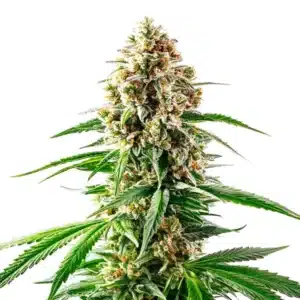
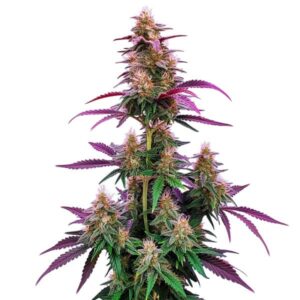
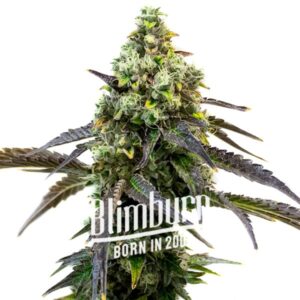
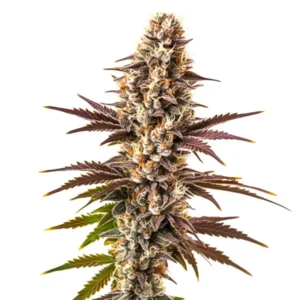
Grape Killer 99
 | THC | 15% - 20% (Medium) |
 | Type | Feminized |
 | Yield | Medium |
 | Phenotype | 40% Indica / 60% Sativa |
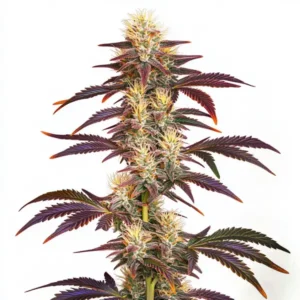
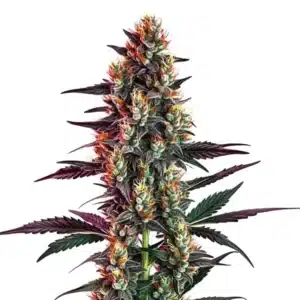
Grape Ape
| | THC | 15% - 25% (Medium) |
| | Type | Feminized |
| | Yield | High |
| | Phenotype | 90% Indica / 10% Sativa |
From Seed to a Sweet & Potent Harvest: The Full Grow-Along
This hybrid is resilient and a joy to cultivate, rewarding your care with dense, frosty, and powerful flowers. Let’s break down its entire journey.
Germination: The First Spark
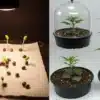
Every great plant starts with a single healthy seed. The paper towel method is my trusted technique.
- Soak: Give your seeds a 12 to 24-hour soak in a glass of room-temperature water.
- Wrap: Place the hydrated seeds between two paper towels that are damp, but not dripping wet.
- Keep it Warm & Dark: Put your paper towel setup inside a Ziploc bag or between two plates.
- Sprout!: In 1 to 3 days, a tiny white taproot will emerge. Game on! Carefully plant it about a half-inch deep in your starter pot, with the root pointing down.
Common Mistake to Avoid: Being too rough. That new little taproot is the most fragile part of the plant’s life. Use tweezers and a gentle touch when moving it to its new home.
The Vegetative Stage: Building a Strong Foundation
During the veg stage, your Grape Killer 99 is focused on building a strong, bushy structure to support all those future dense, heavy buds.
- Light Cycle: You need long “days” to promote strong vegetative growth. An 18/6 light cycle (18 hours of light, 6 of darkness) is the gold standard.
- Nutrient Needs: Your plant is hungry for Nitrogen (N) during this phase to fuel all that leafy development. Use a well-balanced “grow” fertilizer.
- Train for Bigger Yields: This plant responds incredibly well to training. Techniques like Topping or Low-Stress Training (LST) will open up the canopy, allow more light to reach the lower branches, and dramatically increase your final yield.
The Flowering Stage: An Aromatic Explosion
This is where the magic really happens. To trigger flowering, you MUST switch your lights to a strict 12/12 cycle (12 hours of light, 12 hours of absolute darkness).
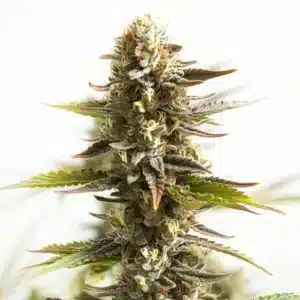
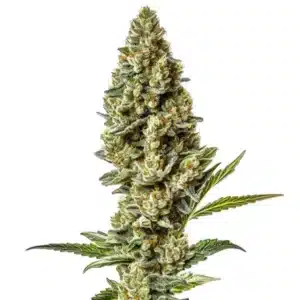
The flowering time for this hybrid is typically 8-9 weeks. During this phase, the plant will stretch a bit, then focus its energy on producing incredibly dense and resinous buds. The aroma will be a beautiful and complex mix of sweet grape, earthy notes, and a hint of skunk.
When you flip your lights, switch to a “bloom” fertilizer that is higher in Phosphorus (P) and Potassium (K) to support this amazing flower production.
Common Mistake to Avoid: High Humidity. Those dense buds are a magnet for mold if your humidity is too high. It is CRITICAL to keep your humidity levels lower (around 40-50%) and ensure good airflow during the flowering stage.
Promos & Deals
Indoor vs. Outdoor: Choosing Your Grow Environment
This hybrid is adaptable, but a controlled environment will give you the best results.
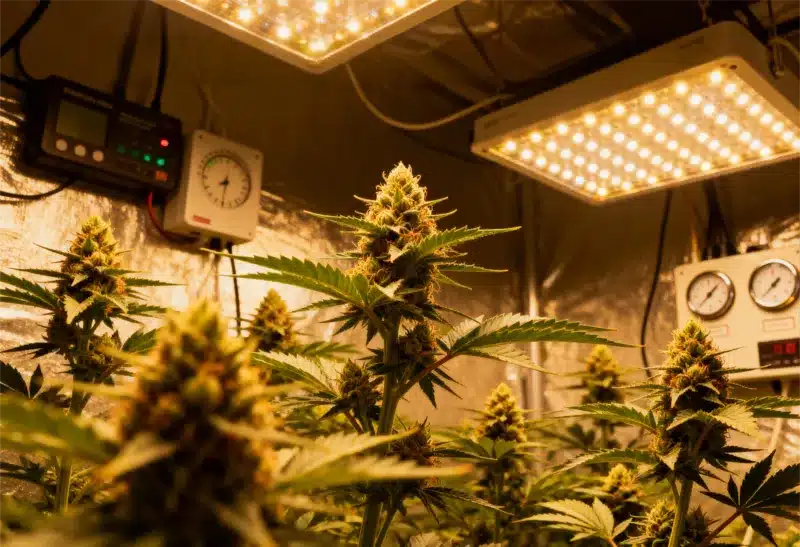
Growing Indoors
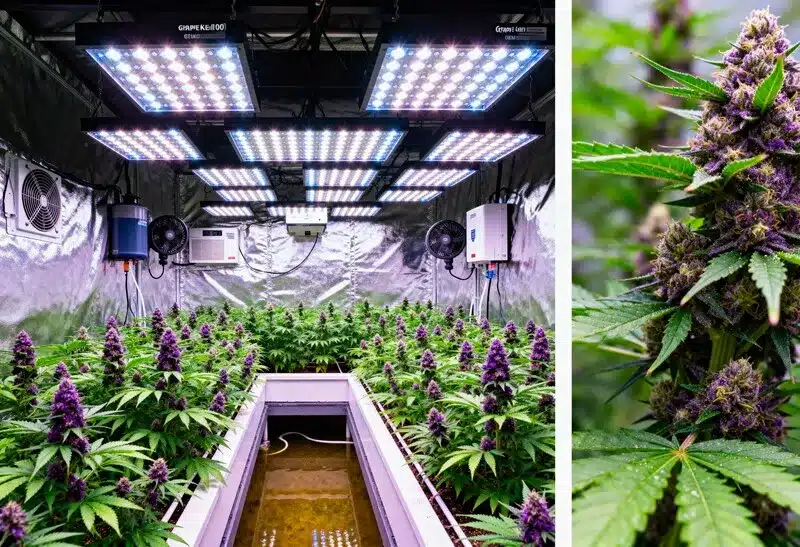
This is where you can create the perfect, controlled environment to produce connoisseur-quality buds.
- Height: This is a very manageable plant for indoor grows. Expect a final height between 3 to 4 feet (90-120 cm). It’s perfect for most grow tents.
- Climate Control: This strain is sensitive to big swings in temperature. Keeping your grow room stable is key to a happy plant and a high-quality harvest.
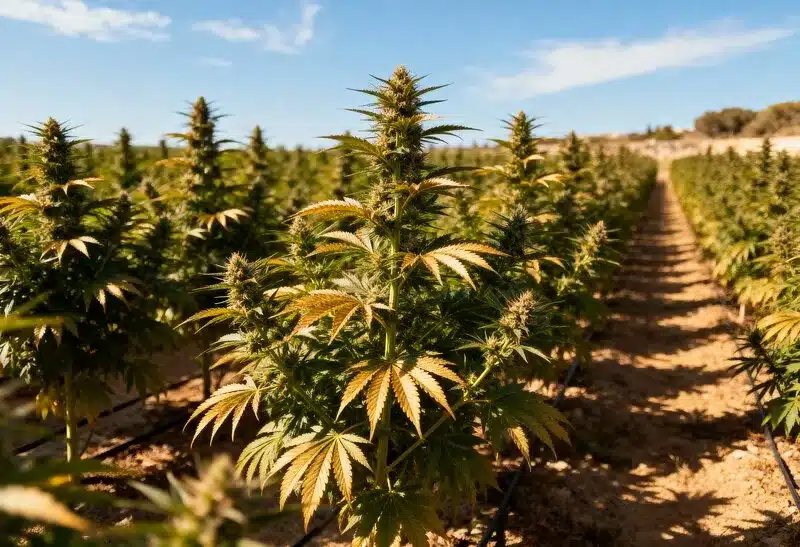
Growing Outdoors
If you have the right climate, you can cultivate a beautiful outdoor plant.
- Height Potential: Unrestrained outdoors, this plant can stretch up to 6 feet (180 cm) or more!
Best U.S. Cities and Climates: This strain loves a warm, stable, temperate climate.
- California (San Diego): The consistent warmth and sun provide an ideal setting for this plant to thrive.
- Oregon (Portland): The temperate climate and long summer days are fantastic for this strain.
- Colorado (Denver): The intense sun is great for resin production, but you’ll need to be mindful of the dry air and temperature swings.
Pro-Level Playbook: Cloning and Powerful Extractions
Cloning: Preserve That Perfect Profile
Find a specific Grape Killer 99 plant with that perfect effect? Don’t let those amazing genetics go!
- Select & Snip: Take a healthy 4-6 inch cutting from a lower branch of a mother plant in her vegetative stage. Use a sterile razor for a clean cut.
- Hormone Dip: Immediately dip the cut end in a rooting hormone to inspire vigorous root growth.
- Plant It: Place the cutting into a moist starter cube like Rockwool.
- Keep It Humid: Cover your new clones with a humidity dome to keep them from wilting.
- A New Generation: In about two weeks, you’ll have a new plant that is a perfect genetic copy of your prized mother!
What to Do With Your Trim? Make a Flavorful Treat!
A sustainable grower uses the whole plant! The frosty trim from your plant is a flavor goldmine.
This is THE perfect strain for making your own delicious edibles. Imagine zesty, grape-infused cookies or brownies! Infusing your trim into butter or coconut oil is a simple and effective way to use your trim. You can also make top-tier extracts like live resin to capture that fresh, fruity terpene profile in its purest form.
The Grand Finale: Harvest, Dry & Cure
You’ve made it! Get a jeweler’s loupe and look at the trichomes. When they have changed from clear to mostly milky-white, with just a hint of amber, you’ve hit the sweet spot for a perfectly balanced high.
- The Chop: Cut your plants and trim away the large fan leaves.
- The Slow Dry: Hang the branches in a dark room with good airflow, a temperature around 65-75°F (18-24°C), and humidity around 45-55%. This usually takes 7-14 days.
- The Cure: This is the final step for a smooth and flavorful final product. Trim the buds and place them in airtight glass jars. “Burp” the jars daily for the first couple of weeks. A proper cure of at least 2 to 4 weeks will bring out that complex sweet and grapey flavor.
Frequently Asked Questions
What are the effects of Grape Killer 99 really like?
It’s a beautifully balanced hybrid. You can expect a deep, soothing body relaxation from the Grape Ape side that melts away stress and tension. At the same time, the Killer Queen genetics provide a happy, creative, and euphoric cerebral lift. It’s relaxing without being a total knockout.
Is this a good strain for beginners?
Yes! Its genetics make it a resilient and manageable plant. It’s a great choice for ambitious beginners who want to learn some basic training techniques and enjoy an amazing flavor profile.
What can I expect from the flavor and aroma?
Get ready for a flavor explosion! It inherits a deep, sweet grape and berry aroma from its Grape Ape parent, mixed with the tropical and earthy notes of Killer Queen. It’s a complex, fruity, and pungent mix that really stands out.
What are the key challenges when growing this strain?
The biggest challenges are managing its powerful aroma (a good carbon filter is a must!), preventing mold in its extremely dense buds with good airflow, and supporting its branches, which can get very heavy.
How big will my yield be?
This strain is known for producing very generous yields. It grows into a solid, multi-branched plant, and if you use some basic training techniques, you can expect a very bountiful harvest of top-quality, delicious buds.